

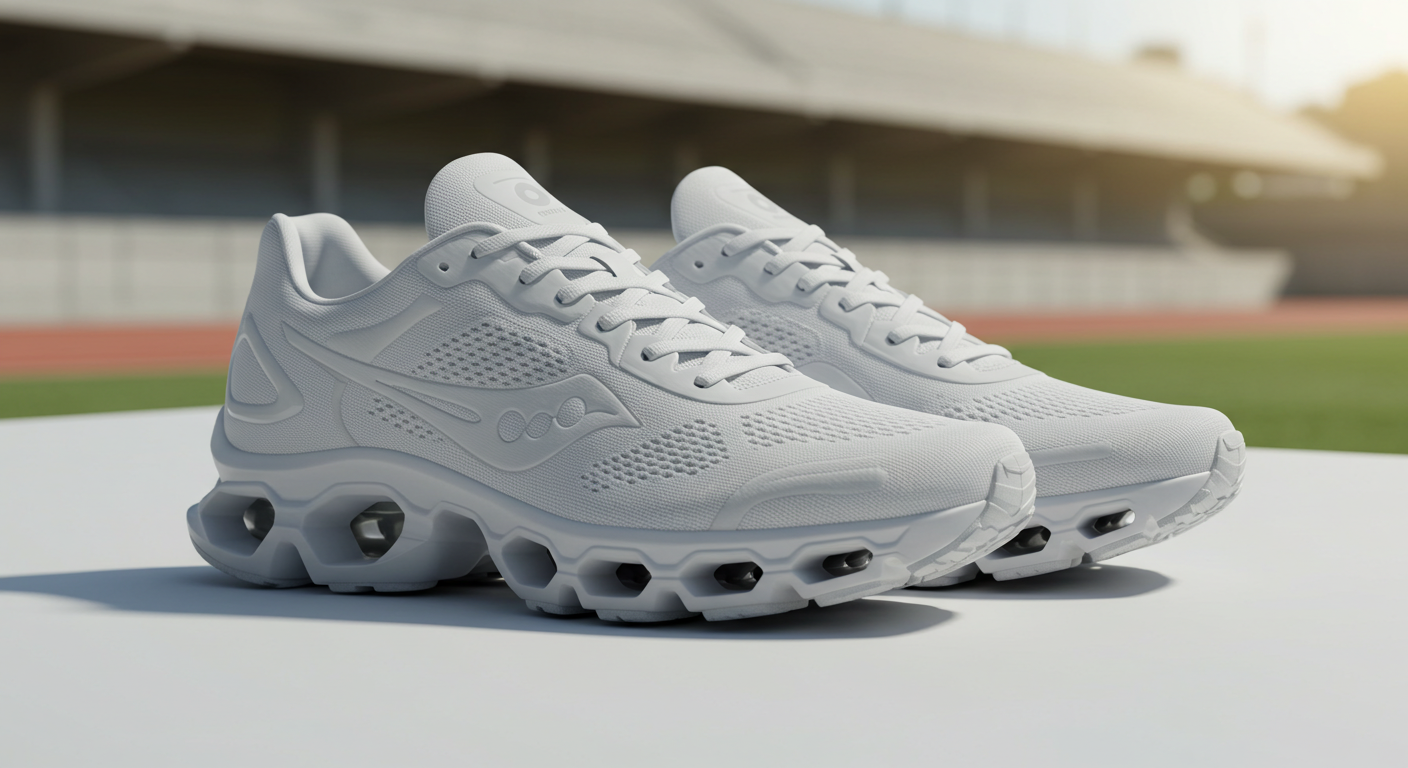
The right pair of running shoes forms the critical link between your body and the ground, influencing everything from your comfort during a short jog to your performance in a marathon. Far from being a mere accessory, these specialized pieces of equipment are engineered to provide cushioning, support, and protection, directly impacting your running efficiency and helping to prevent common injuries. With a vast array of options available, selecting the ideal pair can feel overwhelming. This guide will demystify the world of running shoes, helping you understand their components, different types, and how to make an informed choice tailored to your individual needs and running style.
Understanding Running Shoes: More Than Just Footwear
At first glance, all running shoes might appear similar, but they are complex pieces of engineering designed with specific functions in mind. Understanding their core components is key to appreciating how they contribute to your run.
- Upper: This is the part of the shoe that covers the top of your foot. Typically made from breathable mesh, knit fabrics, or synthetic materials, the upper’s primary role is to hold your foot securely in place, provide ventilation, and offer a comfortable, adaptive fit. Modern uppers often incorporate technologies for enhanced lockdown and reduced weight.
- Midsole: Arguably the most crucial component, the midsole sits between the upper and the outsole. It’s responsible for cushioning, shock absorption, and energy return. Midsoles are crafted from various foams (e.g., EVA, PU, PEBA) and sometimes incorporate gel or air units. The density and composition of the midsole dictate the shoe’s feel—whether it’s soft and plush, firm and responsive, or a balance of both.
- Outsole: The outermost layer of the shoe, the outsole, makes direct contact with the ground. Made from durable rubber compounds, its design features lugs, patterns, and grooves that provide traction, grip, and protection against abrasion. The outsole’s configuration varies significantly depending on the intended running surface, from smooth patterns for roads to aggressive lugs for trails.
These components work in concert to deliver a shoe that supports your foot’s natural motion, absorbs impact forces, and propels you forward, making your run more enjoyable and less taxing on your body.
Types of Running Shoes: Matching Your Stride and Terrain
The market offers a diverse range of types of running shoes, each designed to cater to specific biomechanical needs and running environments. Identifying the right category is the first step toward finding your perfect pair.
Neutral Running Shoes: For Efficient Striders
Neutral running shoes are designed for runners whose feet exhibit neutral pronation or supination. Neutral pronation means the foot rolls inward slightly (about 15%) upon landing, distributing impact effectively. Supination (or underpronation) occurs when the foot rolls outward. These shoes prioritize cushioning and flexibility, allowing the foot to move naturally without interference. They typically feature a uniform midsole density and lack specific stability features, making them ideal for runners who don’t require extra support to control excessive inward rolling of the foot.
Stability Running Shoes: Guiding Your Gait
Stability running shoes are engineered for runners who overpronate, meaning their feet roll inward excessively after landing. This overpronation can lead to various issues, including shin splints, knee pain, and plantar fasciitis. Stability shoes incorporate features like medial posts (denser foam on the arch side of the midsole), guide rails, or other structural elements to gently resist the inward roll and guide the foot into a more aligned position. While offering support, modern stability shoes aim to do so without feeling overly rigid, providing a balance of cushioning and control.
Road Running Shoes: Pavement Performance
As their name suggests, road running shoes are optimized for running on hard, even surfaces like asphalt, concrete, and treadmills. Their primary characteristics include ample cushioning to absorb impact from unforgiving surfaces and a relatively smooth, durable outsole designed for consistent grip on paved roads. The uppers are often lightweight and breathable, focusing on comfort over rugged protection. These shoes are built for repetitive strides on predictable terrain, prioritizing shock absorption and a smooth ride.
Trail Running Shoes: Conquering Uneven Terrain
For runners who venture off the beaten path, trail running shoes are indispensable. These shoes are built to handle the challenges of uneven, unpredictable terrain, including dirt paths, rocky trails, and muddy tracks. Key features include more aggressive outsoles with deeper, multi-directional lugs for superior traction, reinforced uppers for protection against debris and abrasions, and often a rock plate in the midsole to shield the foot from sharp objects. They tend to be more durable and offer enhanced stability to navigate varied surfaces, sometimes incorporating water-resistant materials.
How to Choose Running Shoes: A Step-by-Step Guide
Selecting the right pair of running shoes is a personal process that goes beyond brand loyalty or aesthetics. It requires understanding your body, your running habits, and the specific demands of your environment.
Assess Your Foot Type and Gait
Understanding your foot’s natural mechanics is foundational. Your arch type (high, neutral, flat) and pronation pattern (neutral, overpronation, supination) significantly influence the type of support you need. A simple ‘wet test’ can give you an idea of your arch type: wet your foot and step onto a piece of paper or cardboard. The imprint will reveal your arch. For a more precise assessment, consider visiting a specialized running store for a gait analysis. Experts can observe your foot’s movement while you run, providing insights into your pronation and recommending appropriate shoe categories.
Consider Your Running Terrain and Distance
Where you run most often dictates the necessary features of your shoes. If you primarily stick to sidewalks and roads, road running shoes with good cushioning are essential. For adventurers who prefer dirt trails and rocky paths, trail running shoes with enhanced grip and protection are a must. Also, consider the distance: longer runs generally benefit from more cushioning, while shorter, faster efforts might favor lighter, more responsive shoes.
Prioritize Fit and Comfort
Comfort is paramount. A shoe that feels good from the moment you try it on is more likely to be the right choice. Always try on shoes later in the day when your feet are slightly swollen, mimicking their size during a run. Ensure there’s about a thumb’s width of space between your longest toe and the end of the shoe. Your heel should feel secure, and the midfoot snug but not tight. Pay attention to any pressure points or rubbing. Don’t assume shoes will ‘break in’ to comfort; they should feel comfortable immediately.
Running Shoes for Beginners: Getting Started Right
For those just starting their running journey, choosing running shoes for beginners can be particularly daunting. The best approach is to prioritize versatility, cushioning, and comfort. Avoid highly specialized racing flats or minimalist shoes initially. A well-cushioned, moderately stable neutral or stability shoe (depending on your gait) will provide a forgiving platform as your body adapts to the demands of running. Focus on a shoe that feels good and encourages consistent running, rather than one designed for elite performance.
Top Picks: Best Running Shoes for Various Needs
While specific models evolve with each season, certain characteristics define the best running shoes within their categories. Here’s a general guide to what to look for:
Recommended Neutral Running Shoes
Look for shoes known for their plush cushioning and smooth transitions. These often feature soft, responsive midsoles and flexible uppers. They are ideal for daily training and long runs for runners with neutral pronation. Brands often have flagship models renowned for their neutral cushioning.
Recommended Stability Running Shoes
The best running shoes for stability will offer a balance of support and cushioning. They incorporate subtle guidance systems, such as medial posts or guide rails, to gently correct overpronation without feeling intrusive. These shoes are excellent for daily mileage and provide confidence for runners needing extra support.
Recommended Road Running Shoes
For pavement pounding, the best running shoes will excel in shock absorption and durability. They typically feature generous midsole stacks and robust outsoles designed to withstand miles on hard surfaces. Look for models that offer a comfortable, breathable upper and a smooth ride.
Recommended Trail Running Shoes
When hitting the trails, the best running shoes prioritize grip, protection, and stability. Seek out shoes with aggressive lug patterns for multi-directional traction, durable uppers with toe bumpers, and often a rock plate for underfoot protection. Some models also offer water resistance for wet conditions.
Maintaining Your Running Shoes: Extending Their Lifespan
Proper care can significantly extend the life and performance of your running shoes. After each run, remove any mud or debris with a soft brush or cloth. If they get wet, remove the insoles and stuff the shoes with newspaper to absorb moisture, allowing them to air dry naturally away from direct heat. Avoid machine washing or drying, as this can damage materials and adhesives. Store them in a cool, dry place away from direct sunlight. Rotating between two pairs of shoes can also give the cushioning foam time to decompress and recover, potentially extending the lifespan of both pairs.
When to Replace Running Shoes: Knowing When It’s Time
Even the most durable running shoes have a finite lifespan. Knowing when to replace running shoes is crucial for maintaining comfort, performance, and injury prevention. A general guideline is to replace them every 300-500 miles (500-800 kilometers), but this can vary based on your weight, running style, terrain, and the shoe’s construction. Look for these indicators:
- Visible Wear: The outsole’s tread is worn smooth, especially in high-impact areas. The midsole might show compression creases or feel noticeably flatter and less responsive. The upper might have tears or holes.
- Loss of Cushioning: The shoes no longer feel as springy or comfortable as they once did. You might feel more impact through your joints.
- Increased Aches and Pains: If you start experiencing new or recurring aches in your feet, knees, hips, or shins that weren’t present before, worn-out shoes could be a contributing factor.
- Asymmetry: Place your shoes on a flat surface and look at them from behind. If they lean noticeably to one side, the support structure might be compromised.
Don’t wait until your shoes are completely falling apart. Proactive replacement can save you from discomfort and potential injuries.
Frequently Asked Questions About Running Shoes
Can I use running shoes for other sports?
While running shoes offer excellent cushioning for forward motion, they are not ideal for sports requiring significant lateral movement, such as tennis, basketball, or cross-training. These activities demand different types of support and stability that running shoes are not designed to provide, potentially leading to injury.
How much should I spend on running shoes?
The price of running shoes varies widely, typically ranging from $100 to $200 or more. While more expensive shoes often incorporate advanced technologies and premium materials, a higher price tag doesn’t automatically guarantee the best shoe for you. Focus on fit, comfort, and suitability for your needs rather than just cost. Many excellent options exist across different price points.
What’s the difference between men’s and women’s running shoes?
Beyond colorways, men’s and women’s running shoes often differ in fit and cushioning. Women typically have a narrower heel and a wider forefoot relative to men, and their shoes may feature a slightly different last (the mold the shoe is built around). Women also tend to be lighter, so their shoes might have softer cushioning or different midsole densities to account for lower average impact forces. However, these are generalizations, and many runners find comfort in shoes designed for the opposite gender.
Conclusion: Step Confidently into Your Next Run
Choosing the right pair of running shoes is a fundamental step toward a more comfortable, efficient, and injury-free running experience. By understanding your foot mechanics, considering your preferred terrain, and prioritizing fit and comfort, you can confidently navigate the vast selection available. Remember that the best running shoes are the ones that feel right for you, supporting your unique stride and helping you achieve your running goals. Invest time in finding your perfect pair, and you’ll be well-equipped to enjoy every mile.