

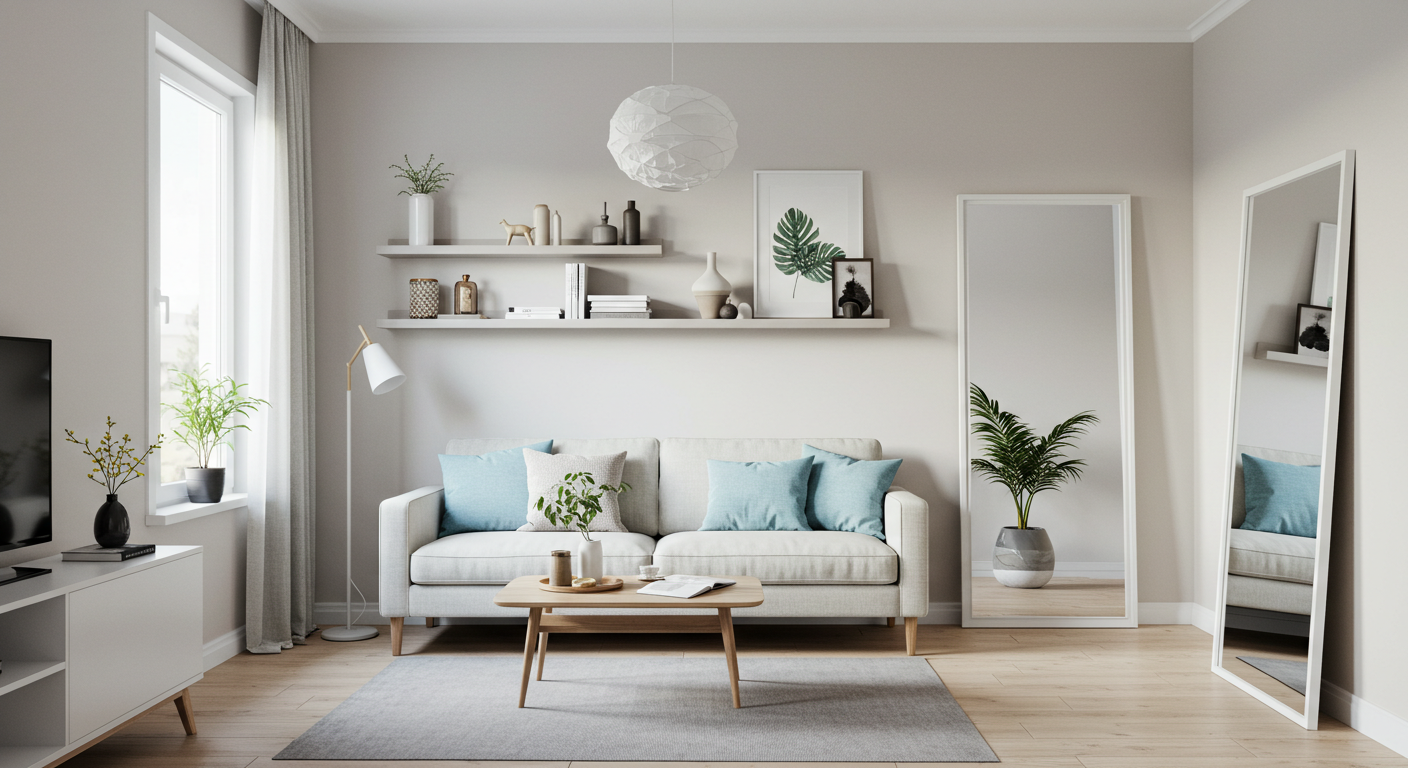
Decorating a small living room presents a unique set of challenges, from accommodating essential furniture to ensuring the space feels open and inviting rather than cramped. However, with thoughtful planning and strategic design choices, even the most compact living areas can be transformed into highly functional, stylish, and comfortable havens. The key lies in understanding how to maximize every square inch and create visual spaciousness. Effective small living room decorating ideas can make a significant difference, turning perceived limitations into opportunities for creative expression and efficient living.
Strategic Furniture Choices for Small Living Room Furniture
Selecting the right small living room furniture is foundational to maximizing space and functionality. The pieces you choose should not only serve their primary purpose but also contribute to an overall sense of openness and order. Prioritize items that offer multiple functions or possess a light visual footprint to enhance your living area.
Embracing Multi-functional Furniture
Multi-functional furniture is a cornerstone of effective space saving living room ideas. These pieces are designed to work harder, providing utility beyond their initial appearance. Consider the following examples:
- Ottomans with Storage: A stylish ottoman can serve as a footrest, extra seating, or a coffee table, while also concealing blankets, magazines, or remote controls.
- Sofa Beds or Daybeds: For those needing an extra sleeping spot, a well-designed sofa bed or daybed integrates seamlessly into the living room without requiring a dedicated guest room.
- Nesting Tables: A set of nesting tables provides flexible surface area when needed and can be neatly tucked away to save space when not in use.
- Benches with Hidden Compartments: Similar to storage ottomans, benches with lift-top seats offer seating and discreet storage, ideal for entryways or alongside a wall.
- Wall-Mounted Desks or Fold-Down Tables: If your living room doubles as a workspace, a desk that folds away or mounts to the wall can be invaluable.
By incorporating such versatile pieces, you significantly reduce clutter and enhance the utility of your small living room furniture.
Selecting Appropriately Scaled Pieces
The scale of your furniture profoundly impacts how spacious a room feels. A common mistake in small spaces is choosing oversized items that overwhelm the area. To effectively make a small living room look bigger, select furniture that fits the room’s dimensions without dominating it.
- Avoid Bulky Items: Opt for sofas and chairs with slender arms, low backs, and streamlined profiles. Heavy, overstuffed pieces consume too much visual and physical space.
- Open Bases and Legs: Furniture with exposed legs or open bases (like a sofa on stilts or a coffee table with a glass top) allows light to pass through and creates an illusion of more floor space. This visual trick is crucial for how to make a small living room look bigger.
- Armless Seating: Armless chairs or chaises can be more compact and flexible in arrangement, fitting into tighter corners or against walls more easily.
- Verticality: Consider tall, narrow bookcases or shelving units instead of wide, short ones. This draws the eye upward, making the ceiling appear higher.
Careful consideration of scale ensures your small living room furniture contributes to an airy, open feel.
Crafting an Illusion of Grandeur: How to Make a Small Living Room Look Bigger
Visually expanding a small living room involves more than just furniture; it encompasses a range of design techniques that manipulate perception. These small living room decorating ideas focus on elements like color, light, and reflective surfaces to create an impression of greater openness and spaciousness.
Strategic Color Palettes: Best Paint Colors for a Small Living Room
Color is a powerful tool for influencing how a room feels. When considering how to make a small living room look bigger, the right paint colors are paramount. Expert advice leans towards palettes that reflect light and recede visually.
- Light and Neutral Hues: Whites, off-whites, light grays, and pale pastels (such as soft blues or greens) are among the best paint colors for a small living room. These colors reflect natural and artificial light, making walls appear to recede and the room feel more expansive.
- Monochromatic Schemes: Using varying shades of a single color throughout the room (walls, furniture, textiles) creates a seamless, uninterrupted flow that prevents the eye from stopping, thus making the space feel larger.
- Cool Tones: Cool colors like blues and greens tend to recede, creating a sense of depth. Warm colors, conversely, tend to advance, making walls feel closer.
- Ceiling Color: Painting the ceiling a lighter shade than the walls, or even a crisp white, can make the ceiling appear higher. For a dramatic effect that can also create depth, consider painting the ceiling the same color as the walls, blurring the boundary between them.
- Accent Walls: While often advised against in small spaces, a carefully chosen accent wall can work. If used, opt for a lighter, cooler tone or a subtle texture rather than a dark, bold color that might visually shrink the room.
Choosing the best paint colors for a small living room is a fundamental step in creating an airy and open atmosphere.
Leveraging Light and Reflection
Light, both natural and artificial, is a transformative element for small spaces. Coupled with reflective surfaces, it can dramatically enhance the perception of size, contributing significantly to how to make a small living room look bigger.
- Window Treatments: Opt for light, sheer curtains or blinds that allow maximum natural light to filter in. Mount curtain rods high and wide, extending beyond the window frame, to make windows appear larger and ceilings taller. Avoid heavy, dark drapes that block light and visually shrink the window.
- Layered Lighting: Relying on a single overhead light can create harsh shadows and make a room feel smaller. Instead, layer your lighting with a mix of ambient (general), task (reading lamps), and accent (spotlights on art) lighting. Dimmers allow you to control the mood and brightness, making the room feel more dynamic.
- Strategic Mirror Placement: Mirrors are perhaps the most effective tool for creating an illusion of space. A large mirror placed opposite a window will reflect natural light and the view outside, essentially doubling the perceived size of the room. Multiple smaller mirrors can also work, but a single large one often has a greater impact.
- Glossy Surfaces: Incorporate furniture with glossy finishes, glass tabletops, or metallic accents. These surfaces reflect light, adding sparkle and depth to the room, which are excellent small living room decorating ideas for visual expansion.
Optimizing Your Space: Small Living Room Layout Strategies
The arrangement of furniture, or the small living room layout, is critical for flow and functionality in a compact area. A well-planned layout can make a room feel more spacious and organized, even with limited square footage. These space saving living room ideas focus on smart placement.
The ‘Floating’ Furniture Approach
Counterintuitively, pulling furniture slightly away from walls can create an illusion of more space and better flow. While it might seem logical to push everything against the perimeter to maximize floor space, this can often make a room feel rigid and smaller. Instead, consider these common small living room layout configurations:
- Create a Conversation Area: Arrange a sofa and one or two chairs around a central coffee table, leaving a few inches between the back of the sofa and the wall. This creates a more intimate and inviting zone.
- Angle Furniture: Sometimes, angling a chair or even a small sofa can break up the linearity of a room, making it feel less boxy and more dynamic.
- Define Pathways: Ensure there’s a clear path for movement through the room, typically 24-30 inches wide. This prevents the room from feeling cluttered and difficult to navigate.
This ‘floating’ approach is a powerful technique among space saving living room ideas, enhancing both aesthetics and practicality.
Defining Zones in Open Concepts
For open-plan living rooms, where the living area merges with a dining space or kitchen, defining distinct zones is essential to prevent the space from feeling like one large, undifferentiated area. These are crucial small living room layout considerations:
- Area Rugs: A strategically placed area rug can anchor the living room furniture and visually delineate the living zone from other areas without the need for physical barriers. Choose a rug large enough for at least the front legs of all main seating pieces to rest on it.
- Furniture Placement: Use the back of a sofa or a console table to act as a subtle divider between the living room and an adjacent space.
- Shelving Units: An open-backed shelving unit can provide storage and display space while also serving as a semi-transparent room divider, allowing light to pass through.
- Lighting: Different lighting fixtures or levels can also help define zones. For example, a pendant light over a dining table and a floor lamp in the living area.
Thoughtful zoning ensures that each part of your open-concept space serves its purpose effectively, contributing to overall harmonious small living room decorating ideas.
Elevating Style: Modern Small Living Room Design and Tiny Living Room Decor
A small living room doesn’t mean sacrificing style. In fact, compact spaces often lend themselves well to sophisticated and intentional aesthetics. Focusing on modern small living room design and carefully curated tiny living room decor can elevate the appeal of your space without adding clutter.
Embracing Minimalist Aesthetics
A minimalist approach is highly effective in modern small living room design. This philosophy emphasizes clean lines, uncluttered surfaces, and a focus on essential items, which is particularly beneficial for smaller footprints.
- Declutter Ruthlessly: Remove anything that doesn’t serve a purpose or bring joy. A clutter-free environment instantly makes a room feel larger and more serene.
- Clean Lines: Choose furniture with simple, geometric shapes and smooth surfaces. Avoid overly ornate or bulky designs.
- Neutral Base: A neutral color palette provides a calm backdrop, allowing carefully selected decor items to stand out without overwhelming the space.
- Quality Over Quantity: Invest in a few high-quality, well-designed pieces rather than many inexpensive, disposable items. This contributes to a sophisticated and lasting aesthetic.
This streamlined approach is fundamental to successful tiny living room decor, ensuring every element has a place and purpose.
Thoughtful Decor Accents and Personal Touches
While minimalism is key, a small living room should still reflect your personality. The trick is to select decor items that add character without overwhelming the space. These small living room decorating ideas focus on strategic accents.
- Art: A single large piece of art can make a statement and draw the eye, making the wall feel larger. Alternatively, a curated gallery wall can add personality without taking up floor space. Ensure the scale of the art is appropriate for the wall.
- Textiles: Introduce texture and warmth with throws, pillows, and rugs. Choose patterns and colors that complement your overall scheme. A textured rug can add depth without being visually heavy.
- Plants: Greenery brings life and freshness to a room. Opt for tall, slender plants (like a snake plant or fiddle leaf fig) that draw the eye upward, or small potted plants on shelves. Avoid too many small, scattered plants that can look cluttered.
- Curated Collections: If you have collections, display a few favorite pieces on a floating shelf or within a glass-front cabinet rather than spreading them across every surface.
- Personal Touches: Family photos, unique souvenirs, or handmade items add warmth. Frame photos simply and arrange them thoughtfully.
Every piece of tiny living room decor should be chosen with intention, contributing to the room’s aesthetic without creating visual noise.
Integrated Solutions for Small Living Room Storage
Effective storage is paramount in maintaining an organized and serene small living room. Without smart storage solutions, clutter can quickly accumulate, making the space feel even smaller. These practical small living room storage ideas are essential for any compact home.
Utilizing Vertical Space with Shelving and Built-ins
One of the most underutilized assets in a small room is vertical space. Drawing the eye upward not only frees up valuable floor space but also makes the ceiling appear higher, contributing to overall space saving living room ideas.
- Wall-Mounted Shelves: Install floating shelves above a sofa, television, or even in corners. These provide display and storage without taking up floor area.
- Tall, Narrow Bookcases: Instead of wide, sprawling units, choose slender bookcases that reach closer to the ceiling. These offer significant storage for books, decor, and even hidden bins.
- Built-in Units: If possible, custom built-in shelving or cabinetry can maximize every inch of an awkward nook or wall. These can be designed to seamlessly blend with the room’s architecture, providing extensive small living room storage.
- Picture Ledges: For displaying art or small decorative items, picture ledges are a sleek, space-efficient alternative to traditional shelves.
By thinking vertically, you unlock significant potential for small living room storage.
Hidden Storage Opportunities
Beyond visible shelving, exploring less obvious storage spots is crucial for maintaining a clutter-free environment. These clever solutions contribute significantly to small living room decorating ideas by keeping essentials out of sight.
- Under-Sofa Storage: Many modern sofas come with built-in storage drawers underneath. If yours doesn’t, consider low, flat storage bins that can slide discreetly beneath the sofa.
- Coffee Tables with Drawers or Lifts: A coffee table that offers internal storage or a lift-top mechanism provides a convenient spot for remotes, coasters, and magazines.
- Storage Ottomans and Benches: As mentioned earlier, these multi-functional pieces are excellent for stashing blankets, toys, or extra pillows.
- Baskets and Bins: Decorative baskets can be tucked under console tables, on open shelves, or next to seating to hold items like throws, toys, or craft supplies. Choose baskets that complement your decor.
- Wall-Mounted Cabinets: Small, shallow cabinets mounted on the wall can provide discreet storage for electronics, media, or other small items without protruding too far into the room.
Integrating these hidden small living room storage solutions ensures that your space remains tidy and visually appealing.
Frequently Asked Questions About Small Living Room Decorating Ideas
What is the best way to arrange furniture in a small living room?
The best small living room layout typically involves creating a clear focal point (like a TV or fireplace) and arranging the main seating pieces (sofa, chairs) around it to facilitate conversation. Pull furniture slightly away from walls to create an illusion of space. Use multi-functional pieces and ensure clear pathways for movement. Avoid blocking natural light sources.
How do I choose a rug for a small living room?
For a small living room, choose a rug that is large enough to anchor the main seating area. Ideally, at least the front legs of your sofa and chairs should rest on the rug. This creates a cohesive zone and makes the room feel larger than if you use a tiny rug that floats in the middle of the floor. Lighter colors and subtle patterns can also contribute to an open feel.
What are the best paint colors for a small living room to make it look bigger?
The best paint colors for a small living room to enhance spaciousness are light, neutral tones such as off-whites, pale grays, and soft pastels (e.g., light blues or greens). These colors reflect light, making the walls appear to recede. Using a monochromatic scheme with varying shades of one color can also create a seamless, expansive feel. Consider painting the ceiling a lighter shade than the walls to make it appear higher.
How can I incorporate storage without making my small living room feel cluttered?
Focus on vertical storage (tall, narrow bookcases, wall-mounted shelves) and hidden storage (ottomans with storage, coffee tables with drawers, under-sofa bins). Choose furniture that serves multiple purposes. Integrate decorative baskets and bins that blend with your decor. The goal is to keep items out of sight and off surfaces to maintain a clean, open aesthetic, which is key for effective small living room storage.
Can I use dark colors in a small living room?
While light colors are generally recommended for making a room feel larger, dark colors can be used strategically in a small living room to create a cozy, intimate, and sophisticated atmosphere. If using dark colors, balance them with plenty of light (natural and artificial), reflective surfaces (mirrors, glossy finishes), and lighter-colored furniture or textiles to prevent the room from feeling too heavy or cave-like. A dark accent wall can also add depth without overwhelming the entire space.
Designing Your Ideal Small Living Room: A Synthesis of Style and Function
Transforming a compact living room into a space that feels both expansive and inviting is an achievable goal. By applying thoughtful planning and strategic choices, any small living room can become a beautiful, functional, and comfortable area. From selecting appropriately scaled and multi-functional small living room furniture to employing clever visual tricks that make a small living room look bigger, every decision contributes to the overall success of the design. Integrating smart small living room storage solutions and embracing a minimalist approach to tiny living room decor ensures that style and practicality coexist harmoniously. We encourage you to apply these small living room decorating ideas to create a space that truly reflects your personal aesthetic and meets your everyday needs, proving that great design knows no size limits.