

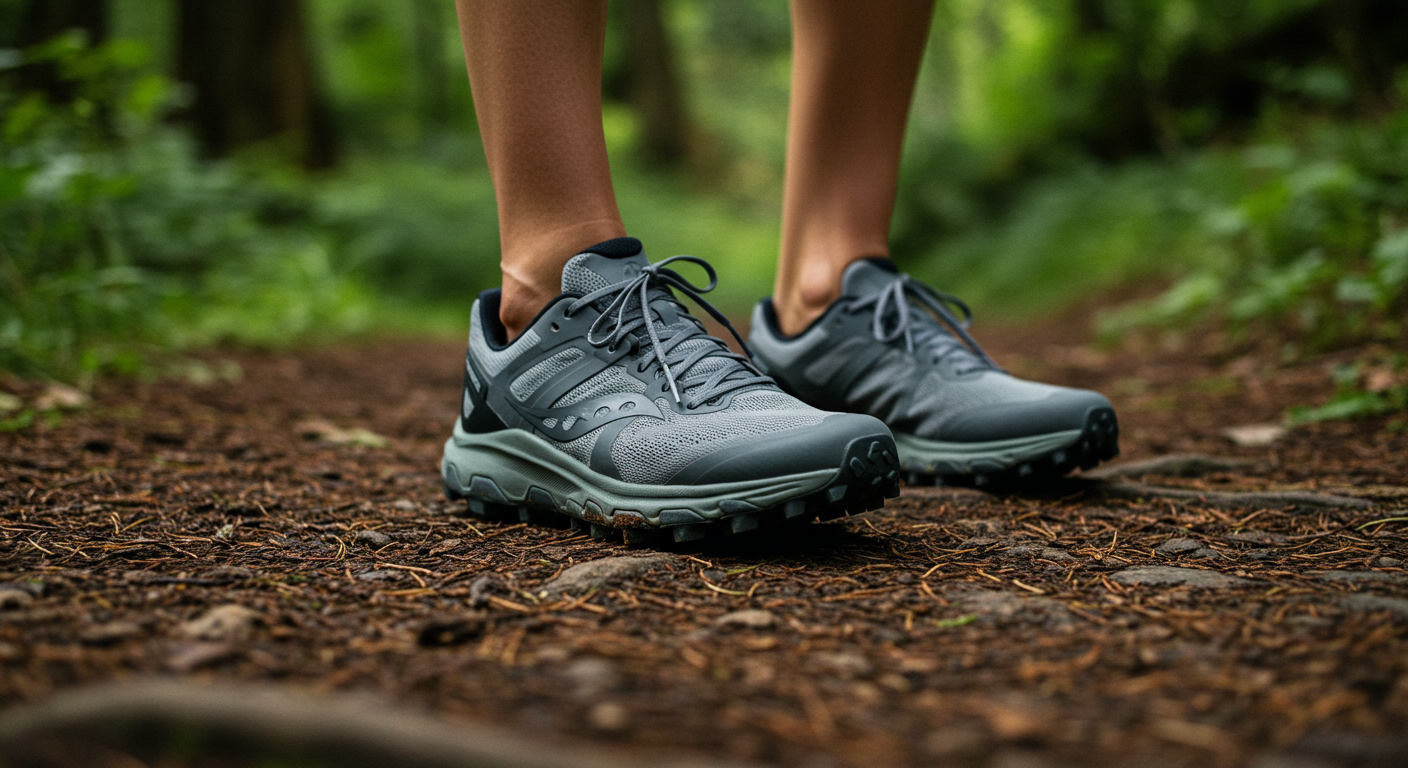
Embarking on a trail run offers a unique blend of challenge and exhilaration, connecting you directly with nature’s varied landscapes. Unlike road running, where surfaces are predictable, trails present an array of obstacles: loose gravel, slick roots, jagged rocks, and unpredictable mud. To navigate these environments safely and efficiently, specialized footwear is not merely an advantage but a necessity. The right pair of trail running shoes acts as your primary interface with the ground, providing the crucial grip, protection, and stability required to maintain confidence and performance. This guide will delve into the intricacies of trail footwear, helping you understand the design principles and key features that contribute to an optimal off-road experience, ensuring every stride is secure and comfortable.
Understanding Trail Running Shoes: More Than Just Sneakers
At first glance, trail running shoes might resemble their road-running counterparts, but their fundamental design and construction are engineered for an entirely different purpose. While standard athletic footwear prioritizes cushioning and flexibility for consistent, even surfaces, trail shoes are built to withstand the rigors of uneven, abrasive, and often unpredictable terrain. Their core philosophy revolves around protection, stability, and aggressive traction. This specialized construction is crucial for several reasons: it shields your feet from sharp objects, prevents slips and falls on loose ground, and provides the necessary support to navigate technical sections without excessive ankle strain. Without these specialized features, a runner risks injury, discomfort, and a significantly diminished experience on the trail.
Trail Running Shoes vs. Road Running Shoes: A Crucial Distinction
The differences between trail running shoes vs road running shoes are profound and directly impact performance and safety on their respective terrains. Understanding these distinctions is key to making an informed choice:
- Outsole Traction: Road shoes feature flatter, smoother outsoles designed for consistent grip on asphalt or concrete. Trail running shoes, conversely, boast aggressive, multi-directional lugs (deep rubber protrusions) that bite into soft earth, mud, and loose rock, providing superior traction. The lug depth, shape, and spacing vary depending on the intended terrain.
- Midsole Cushioning and Flexibility: Road shoes often have thicker, softer midsoles for maximum shock absorption on repetitive, hard impacts. While trail shoes also offer cushioning, it’s often firmer and more responsive to provide better ground feel and stability on uneven surfaces. They may also incorporate rock plates to protect against sharp objects, which can reduce flexibility.
- Upper Durability and Protection: Road shoe uppers are typically lightweight and breathable, made from open mesh. Trail shoes feature more robust, abrasion-resistant materials, often with reinforced toe caps and sidewalls to protect against rocks, roots, and debris. They may also include gaiter attachments to keep out trail detritus.
- Stability and Support: Trail shoes are designed with a wider base and often incorporate features like firmer midsoles or stability elements to prevent excessive foot movement and reduce the risk of ankle rolls on uneven ground. Road shoes, while supportive, are not built for the lateral forces encountered on trails.
Using road shoes on trails is suboptimal because their lack of aggressive traction can lead to slips, their minimal protection leaves feet vulnerable to sharp objects, and their softer cushioning can feel unstable on technical terrain. Conversely, using trail shoes on roads can lead to faster wear of the aggressive lugs and an overly firm, less comfortable ride.
Key Features of High-Performance Trail Running Shoes
When considering how to choose trail running shoes, understanding their core components is paramount. Each element is meticulously designed to address the unique demands of off-road running, contributing to a shoe’s overall performance, protection, and comfort. This section breaks down the essential features that define effective trail footwear, guiding you through what to prioritize based on your specific needs and the trails you frequent.
Unrivaled Grip: The Foundation of Trail Confidence
The outsole is arguably the most critical component of any trail shoe, directly dictating your confidence and safety on varied surfaces. Superior grip trail running shoes rely on a combination of factors:
- Lug Patterns: These are the rubber protrusions on the outsole. Deep, widely spaced lugs excel in mud and soft ground, allowing mud to shed easily. Shorter, more numerous, and multi-directional lugs provide better grip on hard-packed dirt and rocky terrain. Some shoes feature a combination, with aggressive lugs at the forefoot and heel for propulsion and braking, and smaller lugs in the midfoot for stability.
- Rubber Compounds: The type of rubber used significantly impacts grip and durability. Softer, stickier rubber compounds offer excellent traction on wet rocks and roots but tend to wear down faster. Harder compounds are more durable but may compromise grip on slick surfaces. Many brands use proprietary rubber blends to balance these characteristics.
- Surface Area and Flex Grooves: The overall design of the outsole, including flex grooves, allows the shoe to adapt to uneven terrain, maximizing contact with the ground.
Matching the lug pattern to your typical trail conditions is essential. For example, if you frequently run in muddy conditions, look for shoes with deep, widely spaced lugs. For technical, rocky trails, a stickier rubber compound with varied lug patterns will offer better purchase.
Cushioning and Responsiveness: Balancing Comfort and Feel
The midsole of a trail running shoe plays a crucial role in shock absorption, energy return, and ground feel. The choice of cushioning depends heavily on personal preference, running style, and the type of trails you tackle. Different midsole materials, primarily EVA (Ethylene-vinyl acetate) and TPU (Thermoplastic polyurethane), offer distinct characteristics:
- EVA: Lighter and softer, providing immediate comfort and good shock absorption. However, it can compress over time, losing some of its bounce.
- TPU: More durable and resilient, offering better energy return and maintaining its properties over a longer lifespan. It tends to be slightly heavier and firmer.
Cushioned trail running shoes, often featuring higher stack heights (the amount of material between your foot and the ground), are excellent for long distances and ultra-marathons, providing sustained comfort and reducing fatigue. They absorb impact effectively, which can be beneficial on hard-packed trails. Conversely, shoes with less cushioning and lower stack heights offer a more responsive feel and better ground feedback, which can be advantageous on technical trails where precise foot placement is critical. This allows runners to feel the terrain more acutely, enhancing agility and stability. The ideal balance often comes down to finding a shoe that provides enough protection without completely isolating you from the trail’s nuances.
Durability and Protection: Built for the Elements
The harsh realities of trail running demand footwear that can withstand significant abuse while protecting your feet from hazards. Durable trail running shoes incorporate several key features to achieve this:
- Rock Plates: A rigid layer, often made of EVA or TPU, embedded in the midsole. This plate shields the sole of your foot from sharp rocks, roots, and other puncturing objects, making them indispensable for trail running shoes for rocky trails.
- Toe Bumpers and Heel Guards: Reinforced sections, typically rubberized, at the front and back of the shoe. These protect your toes from impacts with rocks and roots and add structural integrity to the heel.
- Reinforced Uppers: Unlike the lightweight mesh of road shoes, trail shoe uppers are constructed from tougher, abrasion-resistant materials, often with overlays or ripstop fabrics to prevent tears and punctures from brush and debris.
- Gaiter Attachments: Small hooks or loops near the laces and heel allow for the attachment of gaiters, which prevent sand, pebbles, and other trail debris from entering the shoe.
- Seams and Stitching: High-quality trail shoes feature robust stitching and often welded seams to enhance durability and prevent premature wear in high-stress areas.
These protective elements are crucial for extending the lifespan of your shoes and, more importantly, safeguarding your feet from the inevitable bumps and scrapes encountered on the trail.
Weight and Agility: Finding Your Optimal Balance
The weight of a trail running shoe significantly influences a runner’s agility, speed, and overall fatigue. There’s a direct trade-off between a shoe’s weight and its protective features, cushioning, and durability. Lightweight trail running shoes are designed for speed and agility, often featuring minimalist uppers, less aggressive lugs, and reduced cushioning. These shoes are ideal for:
- Faster Paces: When speed is a priority, such as in races or shorter, less technical runs.
- Experienced Runners: Those with strong ankles and good foot strength who can navigate technical terrain without needing maximum support.
- Less Technical Trails: On smoother, well-maintained trails where heavy protection isn’t as critical.
Conversely, heavier trail shoes typically offer more robust protection, deeper cushioning, and enhanced stability. These are often preferred for:
- Long Distances and Ultra-Marathons: Where sustained comfort and protection against fatigue are paramount.
- Technical and Rocky Terrain: The added protection from rock plates and reinforced uppers becomes invaluable.
- Beginners: Who may benefit from the extra stability and cushioning as they develop their trail running form.
Finding your optimal balance involves considering your running goals, the typical terrain you encounter, and your personal biomechanics. A shoe that feels too heavy can lead to fatigue, while one that’s too light might leave you vulnerable on challenging trails.
Fit and Comfort: Your Personal Connection to the Trail
Regardless of a shoe’s technical specifications, an improper fit can undermine all its benefits, leading to discomfort, blisters, and potential injury. The fit of your trail running shoes is a deeply personal aspect that demands careful attention. Key elements of a proper fit include:
- Toe Box Space: Your toes should have ample room to splay naturally, especially on descents, to prevent bruising and black toenails. There should be about a thumb’s width of space between your longest toe and the end of the shoe.
- Heel Hold: The heel should feel secure, with minimal slippage. Excessive heel lift can cause blisters and instability.
- Midfoot Security: The shoe should hug your midfoot without feeling constrictive, providing a secure lockdown that prevents your foot from sliding forward or laterally on uneven ground.
- Lacing Systems: Many trail shoes feature specialized lacing systems, such as quick-lace mechanisms or reinforced eyelets, designed to provide a precise and secure fit that can be adjusted on the fly. Some even have lace garages to tuck away excess laces, preventing snags.
Always try on shoes at the end of the day when your feet are slightly swollen, and wear the type of socks you typically run in. Walk and ideally run a short distance in them to assess how they feel on varied surfaces. A well-fitting shoe should feel like an extension of your foot, providing comfort and confidence from the moment you step onto the trail.
Selecting Your Ideal Trail Running Shoes: A Personalized Approach
Choosing the right pair of trail running shoes is not a one-size-fits-all endeavor. It requires a thoughtful assessment of your experience level, the specific types of trails you frequent, and your personal preferences. This section guides you through the decision-making process, helping you answer the crucial question of how to choose trail running shoes that perfectly match your individual needs.
Trail Running Shoes for Beginners: Starting Strong
For those new to the world of off-road running, the priority should be on comfort, protection, and versatility. Trail running shoes for beginners should offer:
- Moderate Cushioning: Enough to absorb impact and provide comfort without sacrificing too much ground feel. This helps ease the transition from road running.
- Good Stability: A wider base and supportive upper to help prevent ankle rolls as you adapt to uneven terrain.
- Versatile Grip: Lugs that perform adequately on a variety of surfaces, from packed dirt to light mud, rather than specializing in extreme conditions.
- Ample Protection: Reinforced toe caps and some form of rock plate are highly recommended to shield feet from unexpected obstacles.
Beginners often benefit from shoes that strike a balance across these features, allowing them to build confidence and develop their trail running form without being overwhelmed by overly specialized or minimalist footwear. Focus on a comfortable fit and a shoe that feels secure and protective.
Conquering Rocky Trails: Footwear for Technical Terrain
Navigating highly technical and rocky trails demands a specific set of shoe characteristics designed for maximum protection and precise foot placement. For these challenging environments, look for:
- Robust Rock Plates: Essential for shielding the sole from sharp rocks and roots. A full-length rock plate offers comprehensive protection.
- Aggressive, Multi-Directional Lugs: Deep, varied lugs made from a sticky rubber compound provide superior grip on loose scree, wet rocks, and steep ascents/descents.
- Enhanced Upper Protection: Durable, reinforced uppers with substantial toe bumpers and sidewall protection are crucial to prevent abrasions and impacts.
- Lower Stack Height and Firmer Midsole: While cushioning is still important, a slightly firmer midsole and lower stack height can offer better ground feel, allowing for more precise foot placement and improved stability on unstable surfaces.
- Secure Fit: A snug, locked-down fit is paramount to prevent foot movement within the shoe, which can lead to blisters or loss of control on technical sections.
Shoes designed for rocky trails prioritize protection and stability over pure cushioning or lightweight speed, ensuring you can confidently tackle the most demanding terrain.
Waterproof Trail Running Shoes: Staying Dry on Wet Adventures
For runners who frequently encounter wet conditions, stream crossings, or cold weather, waterproof trail running shoes can be a game-changer. These shoes typically incorporate a waterproof/breathable membrane, such as Gore-Tex (GTX), into their upper construction. The benefits are clear:
- Dry Feet: Keeps water out, preventing discomfort, blisters, and cold feet in wet environments.
- Warmth: Provides an extra layer of insulation, beneficial in colder temperatures.
However, there are considerations:
- Breathability Trade-offs: While modern membranes are breathable, they are generally less breathable than standard mesh uppers. This can lead to warmer feet and potentially sweat buildup in hot, humid conditions.
- Drying Time: If water does get in (e.g., over the top of the ankle), it can be slower to drain and dry out compared to non-waterproof shoes.
Waterproof shoes are most beneficial for runs in consistently wet, muddy, or snowy conditions, or when temperatures are low. For hot, humid climates or trails with only occasional, shallow water crossings, a non-waterproof shoe with good drainage might be more appropriate, as it will dry faster if it gets wet.
Choosing the Best Trail Running Shoes for Diverse Conditions
Identifying the best trail running shoes often involves a nuanced understanding of your typical running environment and personal goals. Here’s how to match shoe features to diverse conditions:
- Muddy Trails: Look for shoes with deep, widely spaced lugs for maximum mud shedding and grip.
- Sandy Trails: Shoes with tighter weave uppers or gaiter compatibility to keep sand out, and moderate lugs for traction.
- Snowy/Icy Trails: Waterproof shoes with aggressive, often metal-studded (for ice) or very deep lugs for grip.
- Hard-Packed/Gravel Trails: Shoes with moderate cushioning, durable uppers, and less aggressive, multi-directional lugs.
- Long Distances/Ultra-Marathons: Prioritize maximum cushioning, protection (rock plate), and a comfortable, secure fit to minimize fatigue.
- Short, Fast Runs/Races: Opt for lighter, more responsive shoes with good ground feel and moderate protection.
Many runners find it beneficial to own more than one pair of trail shoes to cover a range of conditions, allowing them to select the optimal footwear for each specific adventure.
Maintaining Your Trail Running Shoes for Extended Performance
Proper care and maintenance are crucial for maximizing the lifespan and performance of your trail running shoes. Neglecting them can lead to premature wear, reduced effectiveness, and an unpleasant running experience. Follow these practical tips to keep your shoes in top condition:
- Clean Immediately After Runs: Remove excess mud, dirt, and debris as soon as possible. Use a soft brush (an old toothbrush works well) and lukewarm water to gently scrub the outsole and upper. Avoid harsh detergents or abrasive cleaners, which can damage materials.
- Rinse Thoroughly: Ensure all mud and grit are removed from the lugs and upper, as dried mud can stiffen materials and cause premature cracking.
- Air Dry Naturally: Never put your trail shoes in a washing machine or dryer. High heat can damage glues, membranes, and synthetic materials, causing them to shrink or become brittle. Instead, remove the insoles, loosen the laces, and stuff the shoes with newspaper or paper towels to absorb moisture. Replace the paper periodically until the shoes are dry. Place them in a well-ventilated area away from direct sunlight or heat sources.
- Store Properly: Once dry, store your shoes in a cool, dry place away from direct sunlight. Avoid leaving them in a hot car or damp garage, as this can degrade materials over time.
- Inspect Regularly: Periodically check for signs of wear, such as worn-down lugs, tears in the upper, or delamination of the sole. Addressing minor issues early can prevent them from becoming major problems.
By dedicating a few minutes to care after each run, you can significantly extend the life of your trail shoes and ensure they continue to perform reliably on every adventure.
FAQ: Common Questions About Trail Running Shoes
How often should I replace my trail running shoes?
The lifespan of trail running shoes varies significantly based on mileage, terrain, runner’s weight, and running style. Generally, they last between 300 to 500 miles. However, signs like worn-down outsole lugs (especially in high-wear areas), reduced cushioning, upper tears, or persistent discomfort are better indicators. If you notice a decrease in grip, stability, or cushioning, it’s likely time for a new pair.
Can I use trail running shoes for hiking?
Yes, trail running shoes are often an excellent choice for hiking, especially for day hikes or fast-packing. They offer superior grip, protection, and comfort compared to traditional hiking boots, while being significantly lighter and more flexible. For very heavy loads, multi-day backpacking trips, or extremely rugged, off-trail conditions, dedicated hiking boots might offer more ankle support and durability, but for most trail hiking, running shoes are a popular and effective option.
What’s the difference between trail running shoes and hiking boots?
The primary differences lie in weight, flexibility, and ankle support. Trail running shoes are lighter, more flexible, and designed for speed and agility, typically with a lower cut for freedom of movement. Hiking boots are heavier, stiffer, and often feature a higher cut to provide maximum ankle support and protection, particularly when carrying heavy packs or traversing very uneven terrain. Hiking boots also tend to have more durable, often leather or heavy synthetic uppers, and stiffer midsoles for stability.
Are waterproof trail running shoes always better?
Not necessarily. While waterproof trail running shoes excel in wet, muddy, or snowy conditions by keeping your feet dry and warm, they are generally less breathable than non-waterproof versions. In hot or humid weather, this can lead to sweat buildup and potentially blisters. If water gets inside a waterproof shoe (e.g., by stepping into water deeper than the ankle cuff), it can be slow to drain and dry. For dry conditions or trails with only shallow, infrequent water crossings, a non-waterproof shoe with good drainage and breathability might be more comfortable.
Conclusion: Step Confidently Onto Any Trail
The journey into trail running is immensely rewarding, offering a unique blend of physical challenge and natural beauty. Your choice of footwear is a critical component of this experience, directly influencing your safety, comfort, and performance. By understanding the specialized design of trail running shoes – from their aggressive outsoles and protective uppers to their tailored cushioning and fit – you can make an informed decision that aligns with your individual needs. Whether you’re a beginner seeking versatile protection or an experienced runner tackling technical terrain, selecting the right pair ensures you step confidently onto any trail, ready to embrace the adventure ahead.