

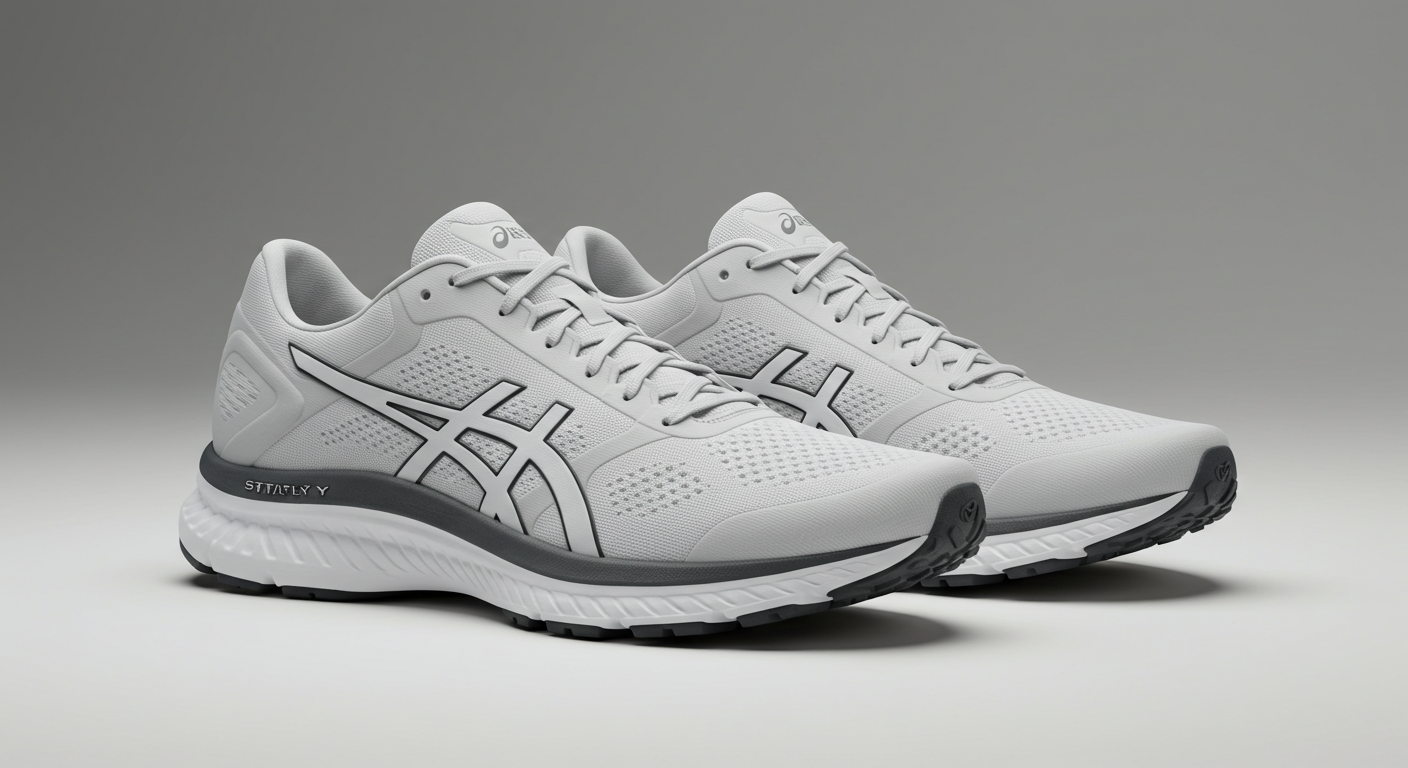
For many runners, the joy of hitting the pavement or trail can be overshadowed by discomfort or injury, particularly for those with flat feet. This common foot structure presents unique challenges, often requiring specialized footwear to ensure comfort, support, and injury prevention. Selecting the right pair of shoes is not merely a preference; it’s a critical component of a healthy and sustainable running practice. This guide aims to demystify the process, helping you identify the best running shoes for flat feet, understand their essential features, and make an informed choice for your running journey.
Understanding Flat Feet and Their Impact on Running Performance
To choose appropriate footwear, it’s essential to understand what flat feet are and how they influence your running mechanics. This knowledge forms the foundation for selecting effective running shoes for overpronation and other related issues.
What Defines a Flat Foot?
A flat foot, medically known as pes planus, is characterized by the absence or collapse of the arch on the inside of the foot. When a person with flat feet stands, the entire sole of their foot may touch the ground. This can be a congenital condition or develop over time due to factors like age, injury, or wear and tear on the tendons that support the arch. While some individuals with flat feet experience no symptoms, others may encounter pain, fatigue, or instability, especially during high-impact activities like running.
The Mechanics of Overpronation: A Common Companion to Flat Feet
One of the most significant biomechanical consequences of flat feet for runners is overpronation. Pronation is the natural inward rolling motion of the foot after landing, which helps absorb shock. However, with flat feet, this inward roll often becomes excessive and prolonged. This means the foot continues to roll inward beyond the point of optimal shock absorption, placing undue stress on the ankles, shins, knees, and even hips. Effective pronation control running shoes are specifically designed to counteract this excessive motion, guiding the foot into a more neutral alignment throughout the gait cycle.
Potential Running Injuries Associated with Flat Feet
The altered biomechanics caused by flat feet and overpronation can predispose runners to a range of injuries. Without adequate support, the repetitive impact of running can exacerbate these issues. Common injuries include:
- Plantar Fasciitis: Inflammation of the plantar fascia, the band of tissue running along the bottom of the foot, often leading to heel pain. Many runners seek running shoes for plantar fasciitis flat feet to alleviate this condition.
- Shin Splints (Medial Tibial Stress Syndrome): Pain along the inner edge of the shin bone, often caused by overuse and inadequate shock absorption.
- Achilles Tendinitis: Inflammation of the Achilles tendon, connecting the calf muscles to the heel bone.
- Knee Pain (Patellofemoral Pain Syndrome): Often referred to as “runner’s knee,” this can result from the inward rotation of the leg caused by overpronation.
- Bunions and Hammertoes: Foot deformities that can be aggravated by improper foot mechanics.
Essential Features in Running Shoes for Flat Feet
When searching for the ideal footwear, understanding the specific features that provide necessary support is paramount. The goal is to find shoes that offer stability without compromising comfort. Key considerations include stability running shoes flat feet and robust arch support running shoes.
Stability and Motion Control: The Core of Support
For runners with flat feet, stability is the cornerstone of effective footwear. Stability shoes are engineered to prevent excessive inward rolling (overpronation) by incorporating denser foam or structural elements on the medial (inner) side of the midsole. These elements, often called “medial posts” or “guide rails,” gently resist the foot’s tendency to overpronate, guiding it through a more neutral stride. Motion control shoes offer an even higher degree of stability, typically featuring a broader base, stiffer materials, and more aggressive pronation control. While most flat-footed runners benefit from stability shoes, those with severe overpronation or heavier builds might find motion control shoes more appropriate. The primary objective is effective pronation control running shoes that maintain foot alignment.
Arch Support: Tailored for Flat Feet
Contrary to popular belief, effective arch support for flat feet doesn’t necessarily mean a soft, plush arch. Instead, it requires firm, structured support that helps to lift and maintain the foot’s natural arch position. Look for arch support running shoes with a well-defined, yet not overly aggressive, arch contour in the insole and midsole. The support should feel substantial, preventing the arch from collapsing during impact, but not so rigid that it causes discomfort or pressure points. Some shoes achieve this through specific midsole geometries, while others rely on removable insoles that can be swapped for custom orthotics if needed.
Cushioning and Responsiveness: Balancing Comfort and Control
While stability is critical, cushioning remains important for shock absorption and comfort. Modern running shoes for flat feet often strike a balance between firm stability features and responsive cushioning. The cushioning should absorb impact effectively without being so soft that it compromises the shoe’s ability to control pronation. Many stability shoes use a combination of foams, with a firmer density on the medial side for support and a softer, more resilient foam elsewhere for comfort and energy return. This ensures a comfortable ride while maintaining the necessary structural integrity.
Fit and Width Considerations for Optimal Comfort
A proper fit is crucial for any runner, but it’s especially important for those with flat feet. The foot should feel secure without being constricted. Many individuals with flat feet also have wider feet, making it essential to consider shoes available in various widths. Opting for wide running shoes for flat feet can prevent common issues like blisters, bunions, and general discomfort caused by the foot splaying out within a standard-width shoe. Ensure there’s adequate room in the toe box for your toes to splay naturally, and that the heel is securely locked in place to prevent slippage.
How to Choose Running Shoes for Flat Feet: A Practical Guide
Selecting the right pair of shoes involves more than just reading reviews. A systematic approach will help you find the perfect match for your unique foot mechanics and running style.
Assess Your Foot Type and Gait
Before shopping, gain a basic understanding of your foot type. A simple “wet test” can provide a clue: wet your feet and step onto a piece of paper or cardboard. If you see a nearly complete footprint with little to no arch, you likely have flat feet. For a more precise assessment, consider a professional gait analysis at a specialized running store. Experts can observe your foot’s motion during a run, identify the degree of overpronation, and recommend appropriate shoe categories, including specific running shoes for overpronation.
Try Before You Buy: The Importance of Fit and Feel
Never purchase running shoes without trying them on. Visit a specialty running store where staff can measure your feet and provide expert advice. Try on several pairs, ideally at the end of the day when your feet are slightly swollen. Walk and even jog a short distance in the shoes to assess how they feel. Pay attention to:
- Toe Box: Ensure a thumb’s width of space between your longest toe and the end of the shoe.
- Midfoot: The shoe should feel snug but not tight across the top of your foot.
- Heel: Your heel should feel secure with minimal slippage.
- Arch Support: The arch support should feel present and supportive, not intrusive or painful.
Consider Your Running Style and Terrain
Your running habits also influence shoe choice. Are you primarily a road runner, trail runner, or do you mix it up? Do you run short distances or train for marathons? Road shoes for flat feet will prioritize cushioning and stability on hard surfaces, while trail shoes will offer more aggressive outsoles for grip and enhanced protection against debris. Long-distance runners might prioritize slightly more cushioning for sustained comfort, while those focused on speed might opt for lighter stability options. Always ensure the shoe’s features align with your intended use.
Top Recommendations: Best Running Shoes for Flat Feet (Product Comparison)
While specific model names change frequently with new releases, certain characteristics consistently define the best running shoes for flat feet. This section focuses on the types of shoes that excel in providing the necessary support and comfort.
Overall Top Picks for Stability and Support
The leading options for flat-footed runners generally fall into the stability category. These shoes feature robust support systems, often incorporating a medial post (a denser foam wedge on the inner side of the midsole) or a guide rail system that cradles the foot and ankle. They offer a balance of firm support and responsive cushioning, designed to mitigate overpronation effectively. Look for models known for their durable outsoles and engineered mesh uppers that provide a secure, breathable fit. These are the quintessential stability running shoes flat feet need for consistent performance and injury prevention.
Best Women’s Running Shoes for Flat Feet
Women’s feet often differ from men’s in several ways: they typically have a narrower heel, a higher arch (though not always in the case of flat feet), and a different Q-angle (the angle from the hip to the knee). Consequently, many brands design women’s specific versions of their stability shoes. These often feature a narrower heel cup, a slightly different arch contour, and sometimes softer cushioning to accommodate lighter body weights. When seeking women’s running shoes for flat feet, prioritize models that offer tailored support and a snug, comfortable fit around the heel and midfoot, without compromising the crucial pronation control features.
Best Men’s Running Shoes for Flat Feet
Men’s running shoes for flat feet typically feature a broader last (the mold the shoe is built around) and often firmer cushioning to support heavier body weights and larger foot volumes. The stability elements, such as medial posts, are usually more pronounced to handle potentially greater forces of overpronation. When selecting men’s running shoes for flat feet, focus on models that provide ample forefoot width, robust arch support, and a secure fit that can withstand the demands of male runners’ biomechanics.
Options for Wide Feet: Ensuring Comfort and Preventing Blisters
Many individuals with flat feet also have wider feet, which can make finding comfortable shoes a challenge. Wearing shoes that are too narrow can lead to painful rubbing, blisters, bunions, and even exacerbate foot issues. Fortunately, many reputable running shoe brands offer their popular stability models in multiple widths (e.g., D for standard, 2E or 4E for wide). When looking for wide running shoes for flat feet, prioritize brands known for their inclusive sizing. A shoe that fits correctly in width will allow the foot to splay naturally upon impact, distributing pressure evenly and enhancing overall comfort and stability.
Shoes for Flat Feet with Plantar Fasciitis: Targeted Relief
For runners experiencing plantar fasciitis alongside flat feet, specific shoe features can provide targeted relief. These shoes often combine superior arch support running shoes with enhanced heel cushioning. Look for models that offer a firm, yet comfortable, arch support to prevent the plantar fascia from overstretching. Additionally, a well-cushioned heel can absorb impact and reduce stress on the inflamed tissue. Some shoes also incorporate a slight heel-to-toe drop to further alleviate pressure on the Achilles tendon and plantar fascia. Consulting with a podiatrist or physical therapist can help identify the most effective footwear and complementary treatments for this condition.
Beyond Footwear: Complementary Strategies for Flat-Footed Runners
While the right shoes are foundational, a holistic approach to running with flat feet involves other supportive measures.
Gait Analysis and Custom Orthotics
A professional gait analysis provides invaluable insights into your unique running mechanics. Beyond recommending shoe types, it can identify specific imbalances that might benefit from custom orthotics. Unlike off-the-shelf insoles, custom orthotics are molded precisely to your foot, offering personalized arch support and pronation control. They can be particularly beneficial for individuals with severe flat feet or those who continue to experience pain even with stability shoes. Discussing this option with a podiatrist or sports medicine specialist is advisable.
Strengthening Exercises for Foot and Ankle Stability
Strengthening the intrinsic muscles of the foot and the surrounding ankle muscles can significantly improve stability and reduce the impact of flat feet. Exercises like toe curls, calf raises, single-leg balances, and picking up marbles with your toes can enhance foot strength and proprioception. A stronger foot can better support its own arch, even when assisted by supportive footwear, leading to improved running efficiency and reduced injury risk.
Frequently Asked Questions About Running Shoes for Flat Feet
Do I really need special running shoes if I have flat feet?
While some individuals with flat feet experience no issues, many runners benefit significantly from specialized footwear. The repetitive impact of running can exacerbate the biomechanical challenges of flat feet, leading to overpronation and potential injuries like plantar fasciitis, shin splints, and knee pain. Choosing the best running shoes for flat feet, specifically those designed for stability and pronation control, can help align your foot and ankle, distribute impact forces more effectively, and ultimately enhance comfort and reduce injury risk.
What’s the difference between stability and motion control shoes?
Both stability and motion control shoes are designed to address overpronation, but they differ in the degree of support offered. Stability running shoes flat feet typically feature a medial post or guide rail system to gently correct mild to moderate overpronation. They offer a balance of cushioning and support. Motion control shoes, on the other hand, provide maximum pronation control running shoes. They are built with a broader base, stiffer materials, and more aggressive support structures, often suited for runners with severe overpronation or heavier builds. The choice depends on the severity of your pronation and your body mechanics.
Can I use orthotics with stability running shoes?
Yes, in many cases, you can use orthotics with stability running shoes. Most running shoes come with removable insoles, allowing you to replace them with custom or over-the-counter orthotics. The combination of a stability shoe’s inherent structure and the personalized support of an orthotic can provide comprehensive arch support running shoes for flat feet. However, it’s important to ensure the orthotic fits well within the shoe and doesn’t cause any pressure points or alter the shoe’s intended function negatively. A professional fitting is recommended.
How often should I replace my running shoes?
As a general guideline, running shoes should be replaced every 300 to 500 miles, or every 4 to 6 months, whichever comes first. For runners with flat feet who rely heavily on the shoe’s stability features, it might be closer to the 300-mile mark. The midsole cushioning and support structures degrade over time, even if the outsole still looks intact. Pay attention to signs of wear, such as decreased cushioning, increased aches or pains after runs, or visible compression of the midsole, especially on the medial side.
Conclusion: Stepping Forward with Confidence and Comfort
Navigating the world of running shoes with flat feet requires a thoughtful approach, but the rewards are significant. By understanding your foot mechanics, prioritizing stability and appropriate arch support, and trying on various options, you can confidently select the best running shoes for flat feet. Remember that proper footwear is a crucial investment in your running health, helping to prevent injuries and enhance your overall enjoyment of the sport. Combine this with complementary strategies like gait analysis and strengthening exercises, and you’ll be well-equipped to step forward with comfort and confidence on every run.