

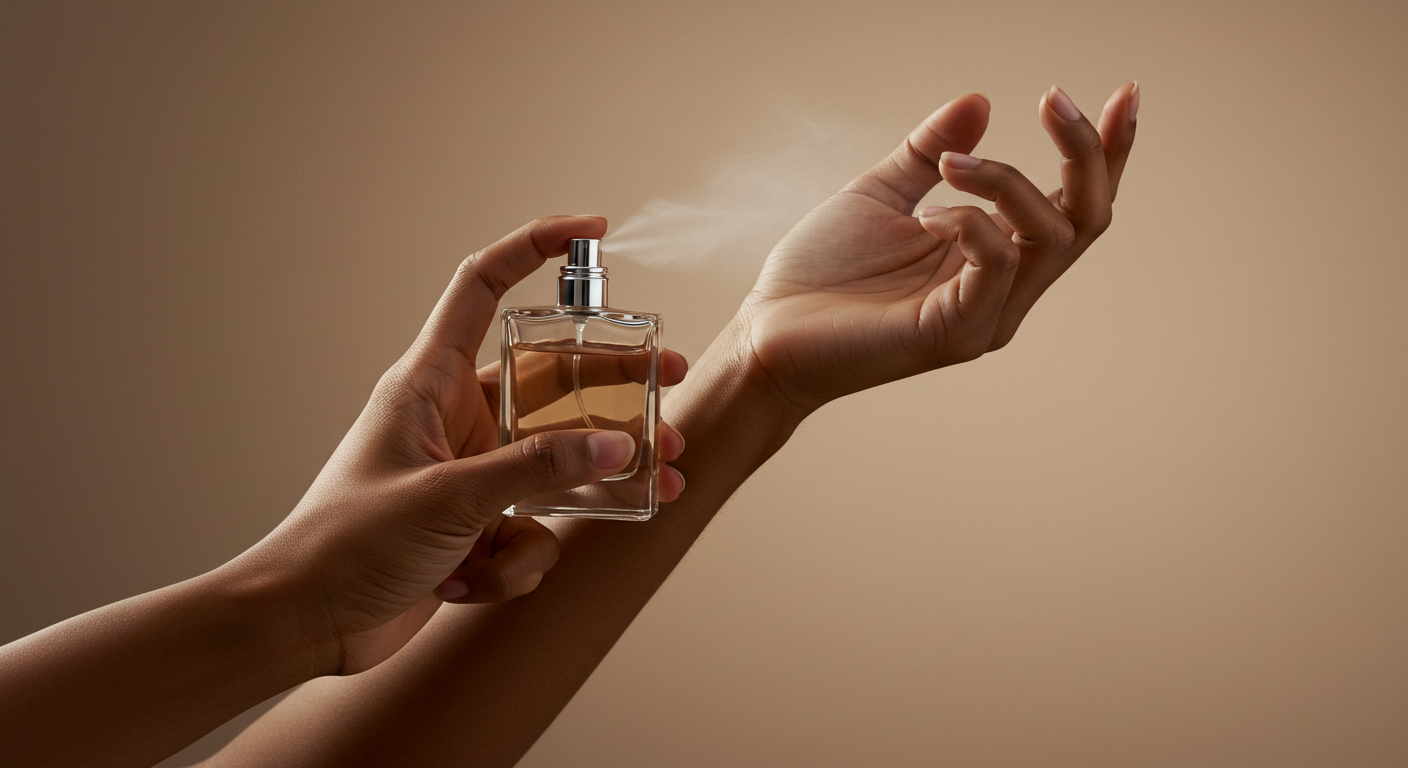
Fragrance application is more than a simple spritz; it’s a nuanced practice that significantly influences how a scent performs, projects, and endures. Many people apply perfume without considering the underlying principles that govern its diffusion and longevity. The choice of where to spray perfume can transform a fleeting aroma into a captivating, long-lasting presence. This guide will explore the strategic points and techniques for applying fragrance, moving beyond common habits to reveal how to achieve an optimal scent experience. We’ll cover everything from the physiological reasons behind specific application spots to practical tips for different fragrance types and situations, ensuring your chosen scent makes the desired impression.
Unlocking Scent Potential: The Best Places to Spray Perfume on Pulse Points
The human body offers natural amplifiers for fragrance, primarily through areas where blood vessels are close to the skin’s surface. These “pulse points” emit heat, which acts as a natural diffuser, helping the fragrance molecules evaporate and project more effectively. Understanding these locations is key to knowing the best places to spray perfume for maximum impact and longevity.
What Are Pulse Points and Why Do They Matter for Perfume?
Pulse points for perfume are specific areas on the body where you can feel your heartbeat. These include the wrists, neck, behind the ears, inner elbows, and behind the knees. The skin in these regions is typically warmer due to increased blood flow. This warmth gently heats the perfume, encouraging its aromatic compounds to evaporate steadily throughout the day. Applying fragrance to these spots ensures a consistent release of scent, making them prime locations for where to spray perfume. The natural warmth helps the fragrance bloom, allowing its various notes to unfold as intended by the perfumer.
Key Pulse Points for Optimal Scent Diffusion
Strategic application to specific pulse points can significantly enhance your fragrance’s performance. Here are some of the best places to spray perfume:
- Wrists: A classic choice, the wrists are easily accessible and allow for a subtle diffusion of scent with every hand movement. Apply a single spray to each wrist.
- Inner Elbows: Similar to wrists, the inner elbows are warm areas that can project scent effectively, especially when wearing short sleeves.
- Neck (Sides and Base): The sides of the neck, just below the ears, and the base of the neck are excellent spots. The movement of your head helps to waft the scent.
- Behind the Ears: This area is discreet yet effective, offering a close-to-the-face application that can be noticed by those in close proximity.
- Behind the Knees: Often overlooked, this pulse point is particularly effective for warmer weather or when wearing skirts and dresses. As you move, the scent rises.
- Cleavage/Chest: For a more personal scent cloud that rises upwards, a light spray on the chest or décolletage can be very effective.
Expanding Your Scent Canvas: Exploring Other Areas Where to Spray Perfume
While pulse points are foundational, other areas can also contribute to a well-rounded and long-lasting fragrance experience. Expanding your knowledge of where to spray perfume beyond the traditional spots can offer new ways to enjoy your favorite scents.
Should You Spray Perfume on Clothes? The Pros and Cons
The question of “should you spray perfume on clothes?” is a common one, with valid arguments on both sides.
- Pros:
- Longevity: Fabric fibers can hold onto fragrance molecules for an extended period, often longer than skin, sometimes even days.
- Avoiding Skin Reactions: For individuals with sensitive skin, applying perfume to clothing can prevent irritation or allergic reactions.
- Subtle Diffusion: Scent on clothes can create a softer, more diffused aura rather than a direct projection from the skin.
- Cons:
- Staining: Many perfumes contain oils and alcohol that can stain delicate fabrics like silk, satin, or light-colored clothing. Always test on an inconspicuous area first.
- Altered Scent Profile: The way a fragrance interacts with fabric can differ from how it develops on skin. The top notes might linger longer, and the full complexity might not unfold as intended.
- Damage to Fabric: Over time, repeated application of alcohol-based perfumes can potentially degrade certain synthetic fibers.
- Lack of Skin Interaction: The true beauty of a perfume often lies in its interaction with individual body chemistry, which is lost when applied solely to clothes.
If you choose to apply perfume to clothes, spray from a distance of 6-8 inches to ensure a fine mist and avoid concentrated spots.
Perfume on Hair: A Fragrant Halo or a Faux Pas?
Applying perfume on hair can create a beautiful, lingering scent trail that diffuses with every movement. Hair is porous and can hold fragrance well, making it an excellent medium for projection.
- Technique: Instead of direct spraying, which can dry out hair due to alcohol content, spray a cloud of perfume into the air and walk through it. Alternatively, spray a small amount onto your brush before styling.
- Considerations:
- Alcohol Content: Regular perfumes contain alcohol, which can be drying to hair with frequent, direct application. Consider using hair mists specifically formulated for hair, which are often alcohol-free or contain hair-conditioning ingredients.
- Scent Longevity: Hair holds scent exceptionally well, often longer than skin, making it a good choice for extended fragrance wear.
- Subtle Projection: The scent from hair tends to be more subtle and diffusive, creating a pleasant aura rather than a strong, direct projection.
The Art of Applying Perfume to Skin: General Tips for Body Application
Beyond specific pulse points, the general condition of your skin plays a crucial role in how well perfume performs.
- Moisturize First: Hydrated skin holds fragrance better and longer than dry skin. Apply an unscented lotion or body cream before your perfume. The emollients in the moisturizer create a barrier that slows down the evaporation of fragrance molecules.
- Avoid Rubbing: After spraying, resist the urge to rub your wrists together or rub the applied area. This friction can “crush” the delicate fragrance molecules, particularly the top notes, altering the scent’s intended development and potentially shortening its lifespan.
- Spray from a Distance: Hold the bottle about 6-8 inches away from your skin when spraying. This allows for a wider, finer mist that distributes the fragrance more evenly, preventing concentrated wet spots and ensuring better diffusion.
- Layering: Consider using matching scented body products (shower gel, lotion) from the same fragrance line to build a stronger, more cohesive scent base.
Precision Application: Where to Apply Cologne and Different Fragrance Types
The concentration of a fragrance dictates its strength and longevity, which in turn influences the optimal application strategy. Knowing where to apply cologne versus a more concentrated Eau de Parfum can significantly impact your scent experience.
Applying Eau de Toilette and Eau de Parfum for Maximum Effect
- Eau de Parfum (EDP): With a higher concentration of fragrance oils (typically 15-20%), EDPs are designed for longer wear and stronger projection. For these, fewer sprays and strategic placement are key. Focus on 2-3 sprays on key pulse points like the neck, wrists, or inner elbows. The goal is to create a lasting presence without overwhelming.
- Eau de Toilette (EDT): EDTs have a lower concentration (5-15%) and are generally lighter and fresher, making them suitable for more generous application. You might apply 3-5 sprays, covering a few pulse points and perhaps a light mist on clothing or hair. EDTs are often preferred for daytime wear or warmer climates.
- Parfum/Extrait de Parfum: These are the most concentrated (20-40% or more) and require very minimal application. A dab or one small spray on one or two pulse points is usually sufficient for all-day wear.
Understanding the concentration helps you decide not just where to spray perfume, but also how much.
Where to Apply Cologne for Men: Specific Strategies
While the principles of pulse points apply universally, men often prefer specific areas for applying cologne due to personal preference, clothing styles, and the typically lighter concentration of colognes (Eau de Cologne, 2-4% fragrance oil).
- Neck and Chest: These are classic spots for where to apply cologne. A spray on each side of the neck and one on the chest creates a masculine, projecting aura.
- Wrists: Similar to perfume, wrists are effective for cologne, allowing for subtle wafts of scent throughout the day.
- Inner Elbows: A good alternative to wrists, especially if you wear long-sleeved shirts that might cover wrist application.
- Shoulders: A light spray on the shoulders of a shirt or jacket can provide a lasting scent without direct skin application, especially for those who prefer not to apply directly to skin or want to avoid staining.
- Back of the Neck: For a more discreet application that leaves a pleasant trail, the back of the neck, just below the hairline, is effective.
The key is to apply to warm areas that will diffuse the scent, but to do so judiciously, especially with stronger concentrations.
Finding Your Signature Scent Cloud: How Many Sprays of Perfume is Just Right?
The question of “how many sprays of perfume?” is highly subjective, yet critical for achieving the desired effect without overwhelming yourself or others. There’s no universal magic number; it depends on several factors.
Factors Influencing Your Ideal Number of Sprays
Determining how many sprays of perfume are appropriate involves considering:
- Fragrance Concentration: As discussed, EDPs require fewer sprays than EDTs or colognes. A powerful extrait might only need one dab, while a light body mist could warrant several.
- Scent Strength and Projection: Some fragrances are inherently stronger and project further than others, regardless of concentration. A “beast mode” fragrance will require fewer sprays than a subtle, skin-scent type.
- Personal Body Chemistry: Individual body chemistry can amplify or diminish a fragrance. What smells strong on one person might be subtle on another. Experimentation is key.
- Occasion:
- Formal/Professional Settings: Opt for fewer sprays (1-2) and apply to discreet areas to maintain professionalism.
- Casual/Daytime: 2-4 sprays are generally acceptable, depending on the fragrance.
- Evening/Social Events: You might increase to 3-5 sprays, especially if you want your scent to be more noticeable in a larger crowd.
- Environment/Climate:
- Warm Weather: Heat amplifies scent, so fewer sprays are often better to prevent it from becoming cloying. Lighter fragrances are also preferred.
- Cold Weather: Scent molecules evaporate more slowly in cold air, so you might need an extra spray or two, or opt for richer, heavier fragrances.
- Personal Preference: Ultimately, the “right” number is what makes you feel comfortable and confident, without causing discomfort to those around you. Start with less and add more if needed.
Common Mistakes to Avoid When Applying Fragrance
Even with knowledge of where to spray perfume, certain application habits can hinder its performance:
- Over-spraying: The most common mistake. Too much fragrance can be offensive and cause “nose blindness” where you can no longer smell it, leading you to apply even more.
- Rubbing Wrists Together: As mentioned, this breaks down fragrance molecules, particularly the delicate top notes, and can shorten the scent’s lifespan.
- Spraying Too Close: Applying the nozzle directly to the skin can result in a concentrated, wet spot that doesn’t diffuse well and might irritate the skin. Maintain a distance of 6-8 inches.
- Spraying Only on Clothes (Exclusively): While acceptable in some cases, relying solely on clothes misses the dynamic interaction of fragrance with your skin’s warmth and chemistry.
- Applying to Dry Skin: Fragrance evaporates quickly from dry skin. Always moisturize beforehand.
- Spraying into the Air and Walking Through It (as a primary method for EDP/EDT): While useful for hair, this method wastes a significant amount of product and results in very light, short-lived application for skin. Direct application to pulse points is more effective for skin.
Making Your Scent Last: Expert Tips for Where to Spray Perfume and Beyond
Achieving long-lasting fragrance performance involves more than just initial application points. A holistic approach, from skin preparation to storage, ensures your chosen scent endures. These tips go beyond simply knowing where to spray perfume.
Prepping Your Skin for Fragrance: The Foundation for Lasting Scent
The canvas for your fragrance is your skin, and its condition significantly impacts longevity.
- Moisturize Thoroughly: Apply an unscented, rich moisturizer or body oil to your skin immediately after showering and before applying perfume. Hydrated skin acts like a sponge, holding onto fragrance molecules, while dry skin allows them to evaporate quickly.
- Layering with Matching Products: If available, use body wash, lotion, or oil from the same fragrance line. This creates a consistent base layer of scent, enhancing its depth and longevity without clashing. If matching products aren’t available, opt for unscented alternatives.
- Shower First: Applying perfume to clean skin after a warm shower is ideal. The pores are open, and the skin is warm and receptive, allowing the fragrance to meld better with your natural body chemistry.
Strategic Reapplication and Storage for Enduring Fragrance
Even with perfect initial application, some fragrances may require reapplication. Proper storage also plays a vital role in maintaining a perfume’s integrity.
- Reapplication:
- When: Reapply when you notice the scent fading, typically after 4-6 hours for EDTs and 6-8 hours for EDPs, depending on the fragrance.
- How: A single spray to one or two key pulse points is usually sufficient for reapplication. Avoid over-spraying. Consider carrying a travel-sized atomizer for convenience.
- Storage:
- Cool, Dark Place: Store perfumes in a cool, dark place away from direct sunlight, extreme temperatures, and humidity. A drawer or closet is ideal.
- Avoid Bathrooms: The fluctuating heat and humidity in bathrooms can degrade fragrance molecules over time, shortening their shelf life.
- Keep in Original Box: The original packaging provides an extra layer of protection from light and temperature changes.
- Keep Caps On: Ensure the cap is tightly sealed to prevent evaporation and oxidation, which can alter the scent.
Frequently Asked Questions About Where to Spray Perfume
Can I spray perfume on my face?
No, it is generally not recommended to spray perfume directly on your face. The alcohol content can be drying and irritating to facial skin, potentially causing redness, dryness, or even allergic reactions. Additionally, some fragrance ingredients can be photosensitive, leading to discoloration or irritation when exposed to sunlight. If you want a subtle facial scent, consider a hair mist or a very light application to the back of the neck.
Does rubbing perfume make it disappear faster?
Yes, rubbing perfume on your skin, especially rubbing wrists together, can indeed make it disappear faster and alter its scent profile. The friction generates heat, which accelerates the evaporation of the top notes. More importantly, the rubbing action can “crush” or break down the delicate fragrance molecules, disrupting the intended progression of the scent and shortening its overall longevity. It’s best to spray and let the fragrance air dry naturally.
How long does perfume last on skin?
The longevity of perfume on skin varies significantly based on several factors:
- Fragrance Concentration: Extrait de Parfum lasts longest (6-12+ hours), followed by Eau de Parfum (4-8 hours), Eau de Toilette (3-6 hours), and Eau de Cologne (2-4 hours).
- Individual Body Chemistry: Skin pH, oiliness, and warmth can all affect how long a scent lasts.
- Fragrance Notes: Heavier base notes (woods, resins, musks) tend to last longer than lighter top notes (citrus, fresh accords).
- Skin Hydration: Well-moisturized skin holds fragrance longer than dry skin.
- Environment: Humidity and temperature can influence evaporation rates.
On average, a good quality Eau de Parfum might last 6-8 hours, while an Eau de Toilette might last 4-6 hours.
Is there a difference in where to spray perfume for men and women?
Fundamentally, the principles of where to spray perfume are universal for all individuals, regardless of gender. Pulse points, where body heat aids diffusion, remain the most effective application spots for everyone. The primary differences often stem from:
- Fragrance Type: Men might typically use colognes (lighter concentrations), while women might use EDPs (higher concentrations), influencing the number of sprays.
- Personal Preference: Some individuals prefer a more discreet application, while others enjoy a broader scent cloud.
- Clothing Styles: Application points might be adjusted based on whether one is wearing a shirt, dress, or suit.
Ultimately, the goal is to apply fragrance to warm, moisturized skin to allow it to develop and project naturally.
Your Signature Scent Journey: Mastering Where to Spray Perfume
Mastering where to spray perfume is an art that enhances your personal fragrance experience. By understanding the science behind pulse points, considering the nuances of applying to hair and clothing, and adjusting for different fragrance concentrations, you can significantly improve your scent’s projection and longevity. Remember that hydration, proper storage, and avoiding common application mistakes are equally vital. Experiment with these techniques to discover what works best with your body chemistry and chosen fragrance. Your signature scent is a powerful, invisible accessory, and knowing how to apply it strategically ensures it leaves a lasting, positive impression.