
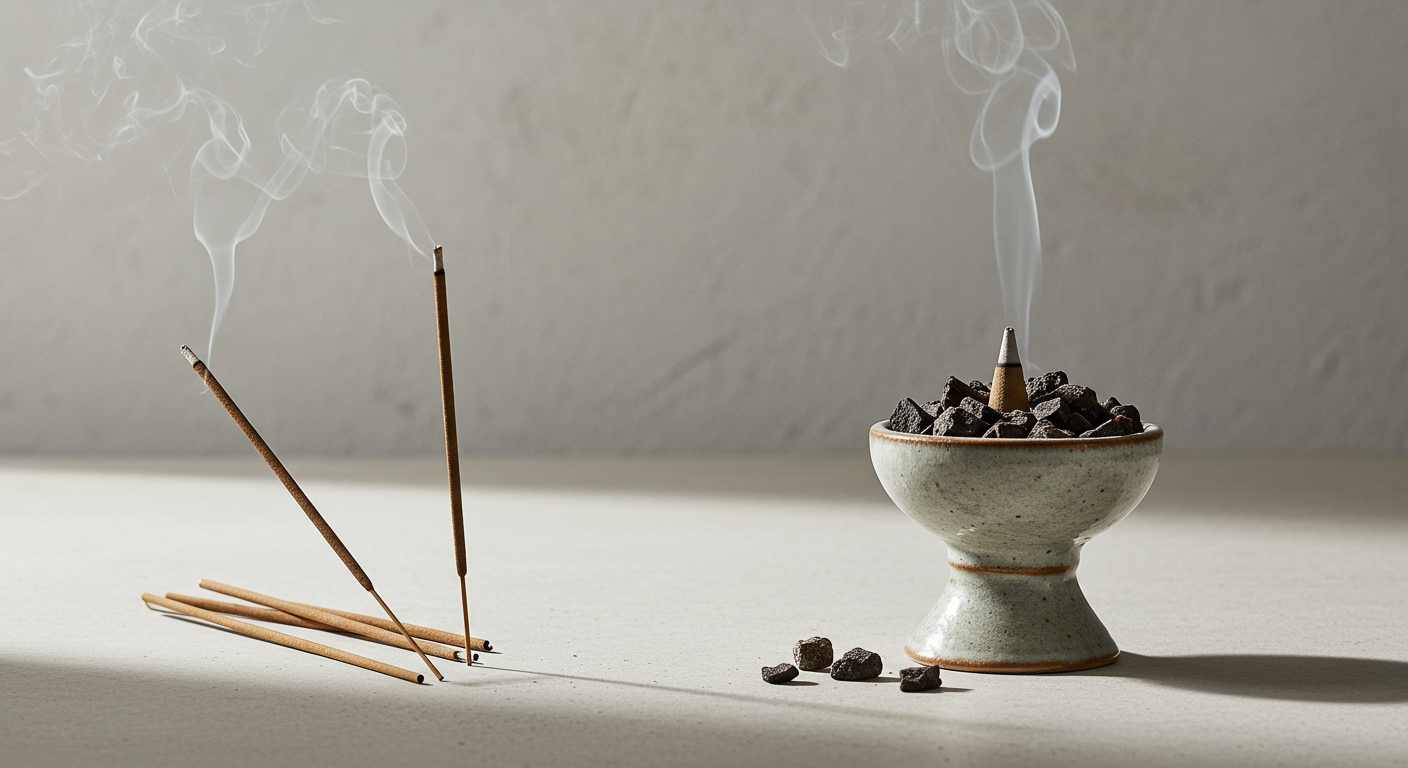
For millennia, cultures worldwide have harnessed the power of aromatic smoke to elevate experiences, mark rituals, and simply scent their surroundings. From ancient temples to modern homes, the practice of burning fragrant materials remains a cherished tradition. Among the most popular forms are incense and bakhoor, two distinct yet equally captivating methods of releasing captivating aromas. While both involve burning biotic material for fragrance, their compositions, cultural contexts, and burning methods present unique aromatic journeys. This article provides an expert comparison of Incense vs Bakhoor, highlighting their unique characteristics, cultural significance, and practical applications.
Understanding Incense: Forms, History, and Global Reach
Incense, broadly defined, refers to aromatic biotic material that releases fragrant smoke when burned. Its history stretches back thousands of years, with evidence of its use in ancient Egypt, Mesopotamia, India, and China. Across diverse civilizations, incense has served myriad purposes: purifying spaces, honoring deities, aiding meditation, masking odors, and simply creating a pleasant atmosphere. Its widespread adoption has led to a vast array of forms and scent profiles, making it a truly global aromatic phenomenon.
Diverse Types of Incense
The world of incense offers a rich tapestry of forms, each designed for a specific burning experience. Understanding these Types of incense is key to appreciating their versatility. Common forms include:
- Incense Sticks: These are perhaps the most recognizable form. They can be either coreless (solid incense material) or have a bamboo core, which provides structure and allows for easier handling. Sticks offer a steady, continuous burn.
- Incense Cones: Compressed into a conical shape, these burn from the top down, often releasing a more concentrated burst of fragrance initially.
- Incense Coils: Designed for longer burning times, coils can last for several hours or even days, making them suitable for extended rituals or continuous scenting.
- Loose Powders: These are typically burned on a charcoal disc or an electric burner. They offer flexibility in blending different powders for custom scents.
- Pure Resin Granules: Frankincense, myrrh, copal, and benzoin are examples of natural resins burned directly on charcoal. They produce a rich, often intense, and ancient aroma, representing a form of traditional incense burning.
Each type offers a different burn rate, intensity, and method of release, catering to various preferences and applications.
Common Incense Ingredients and Scent Profiles
The aromatic complexity of incense stems from its diverse ingredients. Common components include:
- Wood Powders: Sandalwood, agarwood (oud), cedarwood, and palo santo are frequently used for their distinct woody, earthy, or sweet notes.
- Resins: Frankincense (olibanum), myrrh, copal, benzoin, and amber provide deep, balsamic, and often spiritual aromas.
- Herbs and Spices: Patchouli, cinnamon, cloves, star anise, and lavender contribute earthy, spicy, floral, or herbaceous notes.
- Essential Oils and Fragrance Oils: These are often added to incense bases to enhance or create specific scent profiles, ranging from floral (rose, jasmine) to citrus (lemon, orange) and exotic blends.
The combination and proportion of these ingredients dictate the final scent profile, which can range from light and floral to heavy and musky, or clean and woody.
Exploring Bakhoor: A Rich Middle Eastern Tradition
Stepping into the aromatic world of the Middle East and North Africa introduces us to bakhoor, a unique and deeply cherished form of aromatic burning. So, What is bakhoor? Unlike many forms of incense, bakhoor typically consists of wood chips, often agarwood (oud), that have been soaked in fragrant oils, mixed with natural resins, essential oils, and other aromatic compounds, then pressed into small blocks or chips. It is a cornerstone of hospitality, personal perfuming, and special occasions within Bakhoor culture and traditions.
Bakhoor Ingredients: The Art of Blending
The creation of bakhoor is an art form, with recipes often passed down through generations. The primary components that define Bakhoor ingredients include:
- Aromatic Wood Chips for Burning: The most prized base is agarwood (oud), a resinous heartwood from Aquilaria trees. Oud provides a complex, woody, sweet, and sometimes animalic aroma. Other woods like sandalwood or cedar may also be used.
- Natural Resins: Frankincense, myrrh, amber, and benzoin are commonly incorporated, adding depth, sweetness, and balsamic notes.
- Essential Oils and Fragrance Oils: These are crucial for infusing the wood chips with a wide array of scents, including rose, jasmine, musk, amber, and various traditional Arabian blends.
- Other Aromatic Compounds: Spices, dried flowers, and sometimes even sugar are added to enhance the fragrance and aid in the burning process.
The careful blending of these elements results in bakhoor’s characteristic rich, complex, and layered scent, which evolves as it burns.
How to Burn Bakhoor: Methods and Rituals
Burning bakhoor is a ritual in itself, requiring specific tools and techniques to release its full aromatic potential. Understanding How to burn bakhoor properly ensures a safe and enjoyable experience:
- Traditional Method (Charcoal):
- Mabkhara: A traditional bakhoor burner, often made of ceramic, metal, or wood, designed to hold charcoal and bakhoor.
- Charcoal Disc: Light a specially designed charcoal disc (often quick-lighting) until it glows red and is covered in a thin layer of ash.
- Placement: Carefully place the glowing charcoal disc into the mabkhara.
- Bakhoor Application: Place a small piece of bakhoor directly onto the hot charcoal. The bakhoor will slowly heat, releasing its fragrant smoke.
- Ventilation: Ensure good ventilation to prevent smoke accumulation.
- Modern Method (Electric Bakhoor Burner):
- Electric Burner: These devices use an electric heating element to gently warm the bakhoor without direct flame.
- Placement: Place a piece of bakhoor on the heating plate.
- Activation: Turn on the burner. The bakhoor will slowly release its aroma as it heats.
- Advantages: Electric burners offer a cleaner burn, less smoke, and more controlled fragrance release, making them a convenient alternative.
Always exercise caution when burning bakhoor, especially with charcoal, to prevent fire hazards. Keep burners on heat-resistant surfaces and away from flammable materials.
Incense vs Bakhoor: A Direct Comparison of Aromatic Experiences
While both incense and bakhoor offer pathways to aromatic bliss, their fundamental differences create distinct experiences. This section directly addresses the Difference between bakhoor and incense, providing a clear comparison of their characteristics.
Composition and Form: Incense Sticks vs Bakhoor Chips
The most immediate distinction lies in their physical form and composition. Incense sticks vs bakhoor chips highlight this contrast:
- Incense: Often presented as sticks (solid or bamboo-cored), cones, or loose powders/resins. The aromatic material is typically ground, mixed with a binder, and formed into a shape that allows for direct ignition and continuous burning.
- Bakhoor: Primarily consists of wood chips (often oud) that have been infused with oils and resins, then pressed or left as small, irregular pieces. It is designed for indirect heating rather than direct combustion.
This difference in form dictates their burning methods and the resulting aromatic release.
Burning Methods and Equipment
The way these aromatics are consumed is another key differentiator:
- Incense: Most forms of incense (sticks, cones, coils) are designed for direct ignition. A flame is applied until the material catches fire, then extinguished, allowing it to smolder and release smoke. This form of traditional incense burning typically requires a simple holder or ash catcher. Resins and powders, however, are burned on charcoal, similar to bakhoor.
- Bakhoor: Almost exclusively requires indirect heating. It is placed on a hot charcoal disc or an electric burner. The heat gently warms the bakhoor, causing the infused oils and resins to vaporize and release their fragrance without burning the material itself to ash quickly. This method requires a specialized burner (mabkhara) and charcoal or an electric device.
Scent Profiles and Intensity
The aromatic output of each also varies significantly:
- Incense: Can offer a wide range of scent profiles, from single-note aromas (e.g., pure sandalwood) to complex blends. The smoke tends to be more direct and can sometimes have a slightly smoky undertone from the burning binder or wood core. Intensity varies greatly by type and quality.
- Bakhoor: Is renowned for its rich, complex, and often long-lasting layered fragrances. The indirect heating allows for a slower, more nuanced release of the infused oils and resins, resulting in a scent that can evolve over time. Bakhoor often produces a denser, more luxurious, and less ‘smoky’ aroma compared to directly burned incense, and its intensity is generally higher and more diffusive.
Cultural Context and Applications
Both have deep cultural roots, but their primary applications differ:
- Incense: Has diverse global applications, including religious ceremonies (churches, temples), meditation, aromatherapy, masking odors, and creating a general ambiance. Its use spans continents and belief systems.
- Bakhoor: Is deeply embedded in Middle Eastern and North African hospitality, personal perfuming, and special occasions. It is commonly used to welcome guests, scent homes and clothing, and during celebrations like weddings and Eid. The practice is a significant part of Bakhoor culture and traditions, symbolizing generosity and warmth.
Choosing Your Aromatic Journey: A Buying Guide
Deciding between incense and bakhoor, or selecting specific types, depends on personal preference, desired experience, and cultural connection. This guide helps navigate those choices.
Factors to Consider: Preference, Purpose, and Environment
When choosing your aromatic companion, consider these points:
- Desired Scent Intensity: If you prefer a subtle, continuous aroma, some incense sticks or electric bakhoor burners might be suitable. For a powerful, enveloping fragrance, charcoal-burned bakhoor or resin incense is often preferred.
- Duration: Incense sticks typically burn for 30-60 minutes, while cones are shorter. Bakhoor on charcoal can last longer, and electric bakhoor burners can provide hours of scent.
- Ease of Use: Incense sticks are generally simpler to light and manage. Bakhoor requires more specific equipment and a slightly more involved process, especially with charcoal. Consider Incense sticks vs bakhoor for convenience.
- Cultural Connection: If you are drawn to specific cultural rituals or aesthetics, this can guide your choice.
- Environment: Consider the ventilation in your space. Bakhoor and resin incense produce more smoke than many incense sticks, requiring better airflow.
Identifying Quality Incense and Bakhoor
Quality significantly impacts the aromatic experience and safety. Here’s how to identify good products:
- For Bakhoor: Look for products that list natural Bakhoor ingredients, especially genuine Aromatic wood chips for burning like oud. High-quality bakhoor will have a rich, complex scent even before burning, and will release a clean, pleasant aroma without excessive acrid smoke. Avoid bakhoor that smells overly synthetic or has a strong chemical odor.
- For Incense: Opt for incense made with natural ingredients (wood powders, resins, essential oils) rather than synthetic fragrances and dyes. Quality incense will burn evenly, produce a clean smoke, and leave a pleasant lingering aroma without a harsh after-smell.
Beyond Fragrance: Benefits and Cultural Significance
The appeal of burning aromatics extends far beyond mere scent. Both bakhoor and incense offer a range of benefits and hold profound cultural significance.
Benefits of Burning Bakhoor and Incense
The act of burning these fragrant materials can contribute to well-being and atmosphere:
- Ambiance and Mood Enhancement: Both create a welcoming, calming, or invigorating atmosphere, depending on the scent. They can transform a space and set a particular mood.
- Relaxation and Stress Reduction: Many traditional scents, such as sandalwood, frankincense, and certain bakhoor blends, are associated with relaxation and can aid in reducing stress. This is one of the key Benefits of burning bakhoor and incense.
- Meditation and Spiritual Practices: Incense has been used for millennia to deepen meditation, facilitate prayer, and create a sacred space. Bakhoor also plays a role in spiritual cleansing and devotion in some traditions.
- Odor Masking and Purification: Historically, aromatics were used to mask unpleasant odors. In some traditions, the smoke is believed to purify the air or ward off negative energies.
- Personal Perfuming: Bakhoor is often used to perfume clothing and hair, allowing the scent to subtly cling to the wearer throughout the day.
Traditional Incense Burning and Bakhoor Rituals
The rituals surrounding these aromatics are as rich as their fragrances:
- Traditional Incense Burning: In many cultures, incense is integral to religious ceremonies, from Buddhist temples to Catholic masses, symbolizing offerings, prayers ascending, or creating a sacred aura. In Japan, Kodo (the Way of Fragrance) is an art form dedicated to appreciating incense.
- Bakhoor Culture and Traditions: In the Middle East, bakhoor is central to hospitality. Guests are often offered bakhoor as a sign of welcome and honor, passing the mabkhara around for each person to waft the smoke over their clothes and hair. It is also used daily to scent homes, especially before gatherings or during religious festivals like Ramadan and Eid.
Frequently Asked Questions About Incense and Bakhoor
What is bakhoor, and how is it different from regular incense?
What is bakhoor? Bakhoor is a specific type of aromatic wood chip, typically agarwood, infused with fragrant oils and resins, then pressed into blocks or left as chips. The Difference between bakhoor and incense lies primarily in its composition (infused wood chips vs. ground aromatic material with binder), burning method (indirect heating on charcoal/electric vs. direct ignition for most incense), and cultural origin (Middle Eastern vs. global).
What are the main bakhoor ingredients?
The main Bakhoor ingredients include aromatic wood chips (most commonly agarwood/oud), natural resins (frankincense, myrrh, amber), essential oils, and other fragrance compounds like musk, rose, or jasmine. These are blended to create complex, layered scents.
How do you properly burn bakhoor?
To properly burn bakhoor, you typically use a mabkhara (bakhoor burner). Place a hot, glowing charcoal disc in the mabkhara, then place a small piece of bakhoor on top of the charcoal. The heat will gently release the fragrance. Alternatively, an electric bakhoor burner can be used, which heats the bakhoor without charcoal.
Are there any benefits to burning bakhoor?
Yes, there are several Benefits of burning bakhoor. It creates a welcoming and luxurious ambiance, masks odors, can promote relaxation and mood enhancement, and is deeply integrated into Middle Eastern hospitality and cultural rituals for perfuming homes and clothing.
What are the different types of incense available?
The main Types of incense include sticks (coreless or bamboo-cored), cones, coils, loose powders, and pure resin granules (like frankincense or myrrh). Each type offers a different burning duration and intensity.
Conclusion: Embracing the Richness of Aromatic Traditions
The journey through the world of aromatic burning reveals two distinct yet equally captivating traditions: incense and bakhoor. While both aim to fill spaces with beautiful fragrances, their unique compositions, burning methods, and cultural significance set them apart. Understanding the nuances of Incense vs Bakhoor allows for a deeper appreciation of these ancient practices. Whether you seek the meditative simplicity of an incense stick or the rich, layered luxury of bakhoor, both offer profound aromatic experiences rooted in diverse cultural heritage. Exploring these traditions invites you to discover new dimensions of scent and connection.