

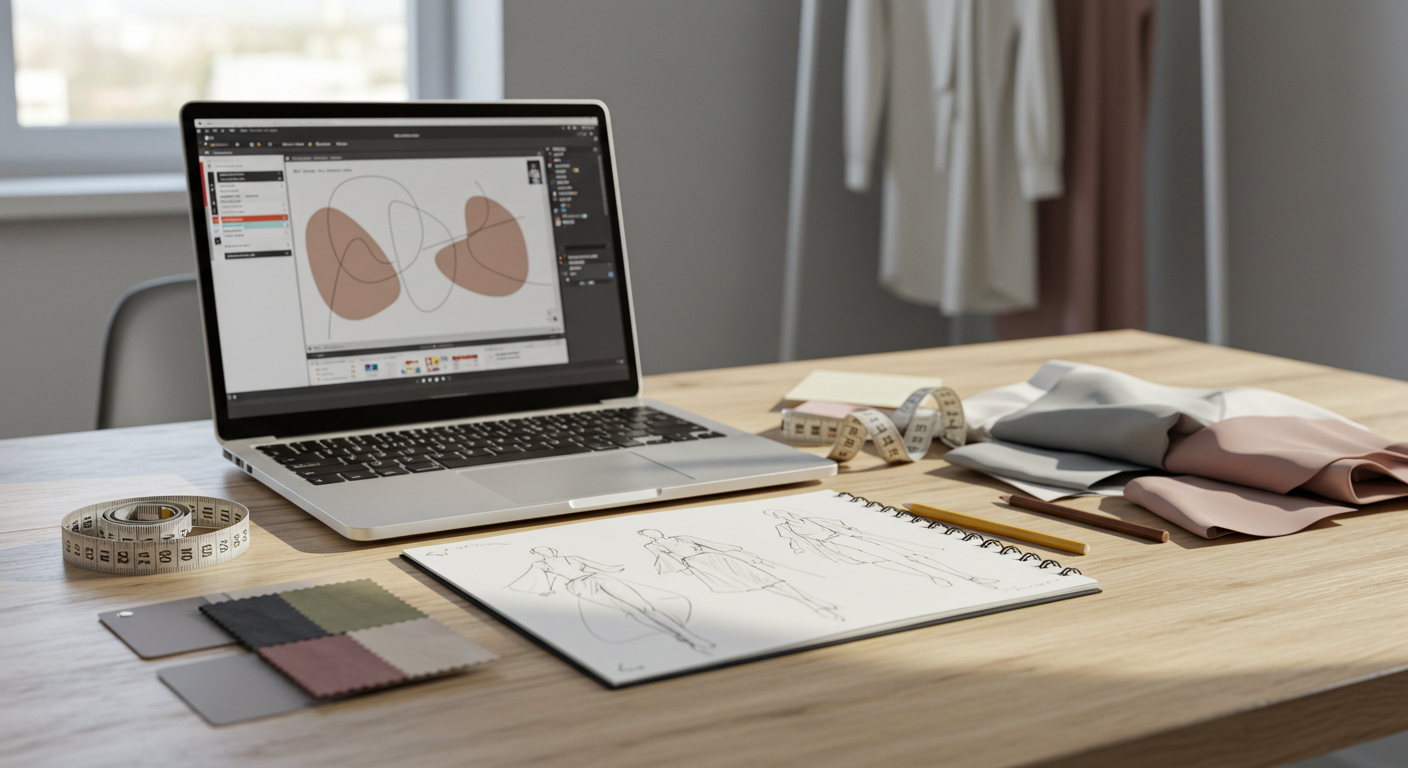
Embarking on the journey to start a clothing brand is an exciting venture, blending creativity with entrepreneurial spirit. It offers the unique opportunity to translate your vision into tangible products that resonate with an audience. While the prospect of launching your own fashion line can be exhilarating, it also comes with its share of complexities and challenges. From conceptualizing designs to navigating manufacturing and marketing, each step requires careful planning and execution. This guide provides a detailed roadmap, offering expert insights to help you build a successful and sustainable clothing brand from the ground up.
Laying the Foundation: Defining Your Clothing Brand’s Core
Before any fabric is cut or stitch is sewn, establishing a clear foundation for your brand is paramount. This involves strategic thinking about your identity, market position, and operational blueprint.
Defining Your Vision and Niche: What Makes Your Brand Unique?
The first critical step when you start a clothing brand is to define its unique identity. This begins with identifying your target audience and understanding their needs, preferences, and values. Are you aiming for Gen Z streetwear enthusiasts, eco-conscious millennials seeking sustainable options, or professionals looking for elevated basics? Your audience dictates everything from design aesthetic to marketing channels.
Next, consider various clothing brand niche ideas. This could involve specializing in specific apparel types (e.g., activewear, formal wear, children’s clothing), materials (e.g., organic cotton, recycled fabrics), or a particular style (e.g., minimalist, bohemian, avant-garde). A well-defined niche helps you stand out in a crowded market and allows for more focused product development and marketing efforts. What unique problem does your brand solve, or what distinct aesthetic does it offer that isn’t readily available? Answering these questions will help you carve out a distinct identity and build a loyal customer base.
Crafting a Robust Clothing Brand Business Plan
A comprehensive clothing brand business plan serves as your strategic roadmap, guiding every decision as you start a clothing brand. It’s not merely a document for investors; it’s a living guide for your operations.
Key components of an effective business plan include:
- Executive Summary: A concise overview of your brand, mission, and objectives.
- Company Description: Details about your brand’s vision, values, and unique selling proposition.
- Market Analysis: Research into your target audience, market size, trends, and competitive landscape. Understand who your competitors are, what they offer, and where you can differentiate.
- Organization and Management: Your business structure (sole proprietorship, LLC, etc.) and the team behind the brand.
- Product Line: Detailed descriptions of your initial product offerings, including materials, sizing, and pricing strategy.
- Marketing and Sales Strategy: How you plan to reach your target customers and generate sales.
- Financial Projections: Startup costs, revenue forecasts, profit and loss statements, and cash flow projections for at least the first 3-5 years.
- Funding Request (if applicable): If seeking external investment, outline the amount needed and how it will be used.
This plan helps you anticipate challenges, allocate resources effectively, and measure progress against defined goals.
Understanding Clothing Brand Startup Costs and Funding
Launching a clothing brand requires a clear understanding of the financial investment involved. Clothing brand startup costs can vary significantly based on your chosen niche, production methods, and scale of operation.
Typical expenses include:
- Design and Development: Costs for designers, pattern makers, samples, and fabric sourcing.
- Manufacturing: Production costs per unit, minimum order quantities (MOQs), and quality control.
- Marketing and Branding: Website development, photography, advertising, social media campaigns, and branding materials.
- Legal and Administrative: Business registration, trademarking, legal advice, and insurance.
- Inventory: Initial stock purchases.
- Operational Overheads: Rent (if applicable), utilities, software subscriptions, and shipping supplies.
Securing adequate clothing brand funding is crucial. Options include:
- Bootstrapping: Self-funding through personal savings, which offers maximum control but limits initial scale.
- Friends and Family: Loans or investments from personal networks.
- Small Business Loans: Traditional bank loans or government-backed programs.
- Crowdfunding: Platforms like Kickstarter or Indiegogo can validate your concept and raise capital simultaneously.
- Angel Investors/Venture Capital: For brands with significant growth potential, though often requiring a proven track record or strong prototype.
Thoroughly research and budget for these costs to ensure financial stability as you grow.
Bringing Your Designs to Life: From Concept to Production
With your foundation set, the next phase involves transforming your creative ideas into wearable garments. This requires a structured approach to design and a strategic choice of manufacturing partners.
The Clothing Brand Design Process: From Sketch to Sample
The clothing brand design process is where your creative vision takes shape. It typically follows several key stages:
- Concept and Mood Board: Begin by defining the collection’s theme, color palette, and overall aesthetic. A mood board helps visualize these elements and communicate them to your team or manufacturers.
- Sketching and Technical Flats: Translate concepts into detailed sketches. Technical flats (or tech packs) are precise, two-dimensional drawings of garments, showing construction details, stitching, and measurements. These are essential for manufacturers.
- Fabric and Trim Sourcing: Select appropriate fabrics, buttons, zippers, labels, and other embellishments that align with your design and quality standards. Consider durability, feel, and sustainability.
- Pattern Making: Create paper patterns based on your technical flats and desired fit. This can be done manually or using CAD software.
- Prototyping and Sampling: Produce initial samples (toiles or muslins) to test the fit and drape. Subsequent samples (first samples, sales samples, pre-production samples) refine the design, fit, and construction until it meets your specifications. This iterative process is vital for quality control.
Collaborating with experienced designers and pattern makers can streamline this process and ensure professional results.
Navigating Clothing Brand Manufacturing Options
Choosing the right clothing brand manufacturing partner is a pivotal decision that impacts quality, cost, and delivery timelines. Several options exist, each with its own advantages and disadvantages:
- In-House Production: Offers maximum control over quality and flexibility but requires significant investment in equipment, space, and skilled labor. Suitable for small-batch, highly specialized items.
- Local Manufacturers: Provides easier communication, quicker turnaround times, and often lower minimum order quantities (MOQs). Supports local economies but can be more expensive than overseas options.
- Overseas Factories: Typically offer lower production costs and higher MOQs. Requires careful vetting, clear communication, and robust quality control measures. Research countries known for specific types of apparel manufacturing.
- Print-on-Demand (POD) Services: Ideal for low startup costs and no inventory risk. Designs are printed on blank garments only when an order is placed. Limited control over garment quality and branding, but excellent for testing designs or niche markets.
When evaluating manufacturers, consider their MOQs, pricing structure, lead times, quality control processes, and ethical certifications. Request samples and references before committing to a larger production run.
Ensuring Quality and Ethical Production
Regardless of your chosen clothing brand manufacturing method, maintaining high standards of quality and ethical production is non-negotiable. Quality control should be integrated at every stage, from fabric inspection to final garment checks. This includes:
- Material Inspection: Verifying fabric quality, color consistency, and defect absence.
- In-Process Checks: Monitoring stitching, seam integrity, and measurements during production.
- Final Inspection: A thorough check of finished garments for defects, correct labeling, and packaging.
Beyond quality, consumers increasingly value transparency and ethical practices. Sourcing materials responsibly, ensuring fair labor practices, and minimizing environmental impact can significantly enhance your brand’s reputation and appeal. Look for manufacturers with certifications like GOTS (Global Organic Textile Standard) or Fair Trade, and be prepared to communicate your brand’s commitment to sustainability and ethics to your customers.
Establishing Your Brand’s Presence: Marketing and Legalities
Once your products are ready, the focus shifts to introducing your brand to the world and ensuring all legal bases are covered.
Building Your Clothing Brand Online Store
An effective clothing brand online store is the cornerstone of your retail strategy. It serves as your digital storefront, showcasing your products and brand identity.
Key considerations for building your online store:
- Platform Choice: Popular e-commerce platforms include Shopify (user-friendly, scalable), WooCommerce (WordPress plugin, highly customizable), and Squarespace (design-focused). Choose one that aligns with your technical comfort level, budget, and growth plans.
- Website Design: Your store’s aesthetic should reflect your brand’s identity. Ensure it’s clean, intuitive, mobile-responsive, and provides a seamless shopping experience.
- Product Photography: High-quality, professional product images are crucial. Include lifestyle shots, detailed close-ups, and images showing fit on models.
- Product Descriptions: Write compelling descriptions that highlight features, benefits, materials, sizing information, and care instructions. Use keywords relevant to your products.
- User Experience (UX): Optimize for easy navigation, clear calls to action, secure payment gateways, and a straightforward checkout process.
Regularly update your store with new products and engaging content to keep customers returning.
Developing a Powerful Clothing Brand Marketing Strategy
A well-crafted clothing brand marketing strategy is essential to reach your target audience and drive sales. It involves a multi-channel approach:
- Social Media Marketing: Platforms like Instagram, TikTok, and Pinterest are visual-first and ideal for fashion brands. Develop a content strategy that showcases your products, behind-the-scenes, and brand lifestyle. Engage with your audience and use relevant hashtags.
- Search Engine Optimization (SEO): Optimize your website and product listings with relevant keywords to improve visibility in search engine results.
- Email Marketing: Build an email list and send newsletters with new arrivals, promotions, and exclusive content.
- Influencer Collaborations: Partner with fashion influencers whose audience aligns with your target market to promote your products authentically.
- Content Marketing: Create blog posts, style guides, or videos that provide value to your audience and subtly promote your brand.
- Public Relations (PR): Seek features in fashion magazines, blogs, or online publications.
- Paid Advertising: Consider targeted ads on social media or search engines to reach specific demographics.
Analyze your marketing efforts regularly to understand what resonates best with your customers and adjust your strategy accordingly.
Understanding Clothing Brand Legal Requirements
Navigating the clothing brand legal requirements is a critical, though often overlooked, aspect of launching your business. Proper legal setup protects your brand and ensures compliance.
Key legal considerations include:
- Business Registration: Register your business name and choose a legal structure (e.g., sole proprietorship, LLC, corporation). This varies by region.
- Intellectual Property:
- Trademark: Register your brand name, logo, and unique slogans to prevent others from using them.
- Copyright: Protect original designs, prints, and website content.
- Labeling Laws: Adhere to country-specific labeling requirements, which typically include fiber content, country of origin, care instructions, and manufacturer identification.
- Sales Tax Compliance: Understand and comply with sales tax regulations in the regions where you sell.
- Contracts: Have clear contracts with manufacturers, suppliers, designers, and influencers.
- Privacy Policy and Terms of Service: Essential for your online store to comply with data protection laws (e.g., GDPR, CCPA).
Consulting with a legal professional specializing in business and intellectual property law is highly recommended to ensure all aspects are covered correctly.
Scaling and Sustaining Your Clothing Brand
Once your brand is launched and gaining traction, the focus shifts to optimizing operations, fostering customer relationships, and planning for future growth.
Managing Inventory and Logistics Efficiently
Effective inventory management is crucial for profitability and customer satisfaction. Overstocking ties up capital, while understocking leads to lost sales. Implement systems to track inventory levels, forecast demand, and manage reorders.
Logistics encompass order fulfillment, shipping, and returns. Streamline these processes to ensure timely delivery and a positive customer experience. Consider:
- Warehouse/Storage: Whether you store products yourself or use a third-party logistics (3PL) provider.
- Shipping Carriers: Research different carriers for cost, speed, and reliability.
- Returns Policy: A clear, fair, and easy returns process can build customer trust.
As your brand grows, automating these processes can save time and reduce errors.
Cultivating Customer Loyalty and Community
Building a loyal customer base is more cost-effective than constantly acquiring new customers. Focus on exceptional customer service, responding promptly and professionally to inquiries and feedback.
Foster a sense of community around your brand through:
- Engaging Social Media: Create interactive content, run contests, and feature user-generated content.
- Loyalty Programs: Reward repeat customers with discounts, early access to new collections, or exclusive perks.
- Personalized Communication: Use email marketing to send personalized recommendations or birthday offers.
- Brand Storytelling: Share your brand’s mission, values, and behind-the-scenes content to connect with customers on a deeper level.
A strong community transforms customers into advocates, driving organic growth through word-of-mouth.
Exploring Growth Opportunities and Future Expansion
As your brand matures, revisit your initial clothing brand business plan to identify new growth opportunities. This might include:
- Expanding Product Lines: Introducing new categories (e.g., accessories, footwear) or extending existing ones.
- Entering New Markets: Exploring international sales or targeting different demographics.
- Wholesale Opportunities: Selling your products to boutiques or larger retailers.
- Pop-up Shops/Retail Partnerships: Gaining physical presence and reaching new customers.
- Collaborations: Partnering with other brands or artists for limited-edition collections.
Continuously analyze market trends, customer feedback, and your financial performance to make informed decisions about scaling and diversifying your brand.
Frequently Asked Questions About Starting a Clothing Brand
Here are answers to common questions for those looking to start a clothing brand:
What is the minimum budget to start a clothing brand?
Clothing brand startup costs vary widely. You could begin with a few hundred dollars using print-on-demand services, or tens of thousands for custom manufacturing, extensive marketing, and inventory. A realistic budget for a small, independent brand with custom designs and limited production might range from $5,000 to $20,000, covering samples, initial production, website, and basic marketing. Bootstrapping can significantly reduce the initial cash outlay.
How long does it typically take to launch a clothing brand?
From concept to launch, it can take anywhere from 6 months to 2 years. The timeline depends on the complexity of your designs, your manufacturing process, and how quickly you can navigate design, sampling, production, and website setup. Thorough planning and efficient execution can shorten this period.
Do I need a fashion design degree to start a clothing brand?
No, a fashion design degree is not a prerequisite. Many successful brand owners come from diverse backgrounds. While design skills are beneficial, you can hire designers, pattern makers, and technical artists to bring your vision to life. Strong business acumen, marketing skills, and a clear brand vision are often more critical.
What are the most important first steps for a new clothing brand?
The most important first steps are defining your niche and target audience, developing a solid clothing brand business plan, and securing initial clothing brand funding. These foundational elements will guide all subsequent decisions and increase your chances of success.
How can I ensure my clothing brand is sustainable?
To ensure sustainability, focus on ethical sourcing of materials (e.g., organic, recycled, upcycled fabrics), responsible manufacturing practices (fair labor, reduced waste, lower energy consumption), and durable, timeless designs that encourage longevity. Transparency about your supply chain and production processes is also key.
Conclusion: Your Path to a Successful Clothing Brand
The journey to start a clothing brand is multifaceted, demanding a blend of creativity, strategic planning, and unwavering dedication. By meticulously defining your brand’s vision, crafting a robust business plan, understanding your startup costs, and navigating the complexities of design, manufacturing, and marketing, you lay the groundwork for success. Remember that building a brand is an iterative process, requiring continuous learning, adaptation, and a deep connection with your audience. With perseverance and a commitment to quality and authenticity, your vision can evolve from concept to a thriving, impactful clothing brand.