

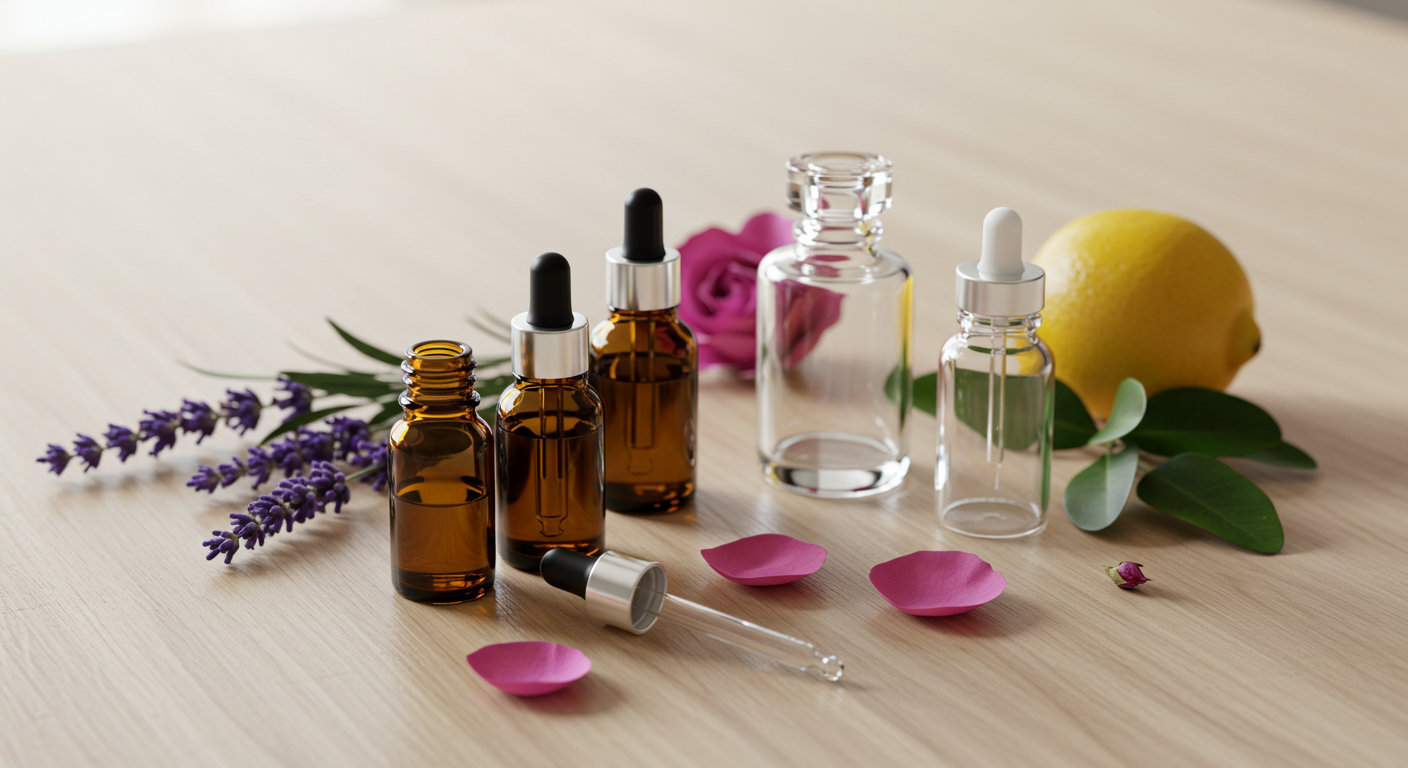
The appeal of a unique, personal fragrance is undeniable. Many are now seeking alternatives to mass-produced scents, turning instead to the art of creating their own. This growing interest stems from a desire for transparency in ingredients, a preference for natural aromas, and the satisfaction of crafting something truly bespoke. Learning how to make natural perfume offers a path to personalized fragrance, allowing you to control every element that touches your skin and delights your senses. This guide will walk you through the process, from selecting ingredients to blending techniques, empowering you to create exquisite, natural scents.
Why Choose Natural? The Benefits of Natural Perfume
Opting for natural perfumes over synthetic alternatives presents several compelling advantages. Beyond the aesthetic appeal of pure aromas, there are significant considerations regarding health, customization, and environmental impact. Understanding these benefits of natural perfume can deepen your appreciation for homemade creations.
Understanding the Appeal: Health and Wellness
Synthetic fragrances often contain a complex cocktail of chemicals, some of which can be irritants for sensitive skin or respiratory systems. These compounds, frequently listed simply as “fragrance” or “parfum” on labels, may include phthalates, parabens, and synthetic musks. For individuals prone to allergies, headaches, or skin sensitivities, these ingredients can trigger adverse reactions. Natural perfumes, crafted from essential oils, absolutes, and botanical extracts, typically offer a gentler alternative. When properly diluted and applied, they are less likely to cause irritation, making them a preferred choice for those prioritizing health and wellness. The aromatic molecules in natural ingredients are also often recognized and processed differently by the body compared to their synthetic counterparts.
Customization and Control: Crafting Your Signature Scent
One of the most significant advantages of creating your own fragrances is the unparalleled ability to customize. Commercial perfumes are designed for broad appeal, limiting individual expression. With DIY natural perfume recipes, you become the perfumer, selecting each note to construct a scent profile that perfectly reflects your personality, mood, or even a specific memory. This creative freedom allows for endless experimentation, enabling you to blend unique aromas that are truly your own. Whether you prefer earthy, floral, citrus, or spicy notes, the control over ingredients means your signature scent can evolve with you, offering a level of personalization impossible to find off the shelf.
Essential Ingredients for Your Homemade Essential Oil Perfume
To embark on your journey of creating a homemade essential oil perfume, you’ll need to gather a few fundamental components. These ingredients form the structure of your fragrance, from the base that carries the scent to the aromatic elements themselves.
The Foundation: Carrier Oils and Bases
Carrier oils are crucial for diluting concentrated essential oils, making them safe for skin application and helping to extend the longevity of the scent. They also provide a nourishing base for your perfume. Popular choices include:
- Jojoba Oil: Technically a liquid wax, jojoba oil is highly stable, has a long shelf life, and closely mimics the skin’s natural sebum, making it an excellent choice for natural perfumes. It’s non-greasy and absorbs well.
- Fractionated Coconut Oil: This light, non-greasy oil is odorless and absorbs quickly, making it a good carrier that won’t interfere with your fragrance.
- Sweet Almond Oil: A widely available and affordable option, sweet almond oil is nourishing and has a very mild scent, allowing your essential oils to shine.
For liquid spray perfumes, high-proof perfumer’s alcohol (like 190-proof grain alcohol) serves as an alternative base. Alcohol helps to disperse the scent more widely and evaporates quickly, leaving the fragrance behind. It’s a traditional choice for creating a more diffusive perfume experience, but for an alcohol-free natural perfume, carrier oils are the way to go.
Aromatic Core: Natural Fragrance Ingredients and Essential Oils
The heart of any perfume lies in its aromatic components. When creating an organic perfume making project, selecting high-quality, pure natural fragrance ingredients is paramount. Essential oils are steam-distilled or cold-pressed extracts from plants, capturing their volatile aromatic compounds. Absolutes are solvent-extracted and often used for delicate florals like jasmine or rose, offering a richer, more complex aroma. CO2 extracts are produced using carbon dioxide as a solvent, yielding highly concentrated and true-to-plant scents. When choosing your ingredients, prioritize reputable suppliers who provide information on sourcing, purity, and testing. Some of the best essential oils for perfume include:
- Florals: Rose, Jasmine, Ylang Ylang, Geranium, Neroli, Lavender
- Citrus: Bergamot, Sweet Orange, Lemon, Grapefruit, Lime
- Woody/Earthy: Sandalwood, Cedarwood, Vetiver, Patchouli, Frankincense
- Spicy: Clove, Cinnamon, Cardamom, Black Pepper
- Herbal: Rosemary, Clary Sage, Peppermint
- Resinous: Myrrh, Benzoin
Always ensure the essential oils are 100% pure and therapeutic grade, especially if they will be applied to the skin.
Natural Perfume Making Supplies You’ll Need
Having the right tools makes the blending process smoother and more precise. Here are the essential natural perfume making supplies:
- Dark Glass Bottles: Essential for storing your finished perfumes. Dark glass (amber or cobalt blue) protects essential oils from light degradation. Options include roll-on bottles (5ml or 10ml) for oil-based perfumes or spray bottles (15ml or 30ml) for alcohol-based scents.
- Pipettes or Droppers: For precise measurement and transfer of essential oils.
- Small Funnels: Helpful for transferring liquids into small bottles without spills.
- Measuring Beakers or Graduated Cylinders: For measuring carrier oils or alcohol accurately.
- Glass Stirring Rods: For gently mixing ingredients.
- Labels: To clearly mark your creations with ingredients, date, and name.
- Notebook and Pen: For recording your recipes and blending experiments. This is crucial for replicating successful blends and learning from unsuccessful ones.
Mastering the Art: How to Blend Essential Oils for Fragrance
The true artistry in creating natural perfume lies in understanding how to blend essential oils for fragrance. It’s about more than just mixing pleasant scents; it’s about creating a harmonious composition that evolves over time.
Understanding Fragrance Notes: Top, Middle, and Base
Perfumes are typically structured around a “fragrance pyramid” consisting of three types of notes:
- Top Notes: These are the first scents you perceive. They are light, volatile, and evaporate quickly, usually within 5-15 minutes. Citrus oils (lemon, bergamot, sweet orange) and some light herbals (peppermint, eucalyptus) are common top notes. They create the initial impression.
- Middle Notes (Heart Notes): These emerge as the top notes fade, forming the “heart” of the perfume. They are more rounded and last longer, typically 20-60 minutes. Florals (rose, jasmine, geranium, lavender) and some spices (cardamom, coriander) often serve as middle notes, providing character and balance.
- Base Notes: These are the longest-lasting and heaviest notes, providing depth, richness, and longevity to the perfume. They can linger for several hours. Woody oils (sandalwood, cedarwood), resins (frankincense, myrrh), and earthy oils (vetiver, patchouli) are classic base notes. They anchor the lighter notes and help to “fix” the fragrance.
A well-balanced perfume will have a harmonious interplay between these three layers, creating a dynamic scent experience.
Principles of Blending: Creating Harmonious Scents
Blending is both a science and an art. Here are some principles to guide your journey:
- Start Small: Begin with small quantities, perhaps 1-2 drops of each essential oil, in a separate blending bottle or on a scent strip. This allows for easy adjustments.
- Work from Base to Top: It’s often easier to build your blend by starting with the base notes, then adding middle notes, and finally top notes. This helps to ground the fragrance.
- Allow for “Breathing”: After adding a few drops, cap the bottle and let the blend sit for a few minutes. The scent will evolve as the oils interact.
- Keep Records: Document every drop of every oil you add. This is vital for replicating successful blends and understanding what works (or doesn’t).
- Consider Ratios: A common starting point for a balanced blend is a 30% top note, 50% middle note, and 20% base note ratio, though this is highly flexible.
- Complementary Pairings: Some oils naturally complement each other. For example, citrus oils often brighten florals, while woody notes provide depth to almost any blend.
Examples of harmonious pairings using some of the best essential oils for perfume:
- Uplifting Citrus Floral: Bergamot (Top), Geranium (Middle), Cedarwood (Base)
- Warm Spicy Woody: Sweet Orange (Top), Clove (Middle), Sandalwood (Base)
- Calming Herbal Earthy: Lavender (Top/Middle), Clary Sage (Middle), Vetiver (Base)
Experimentation is key to developing your own unique DIY natural perfume recipes.
Exploring Different Forms: Alcohol-Free and Solid Natural Perfume Recipes
Natural perfumes aren’t limited to traditional alcohol-based sprays. You can create various formats to suit different preferences and applications, including an alcohol-free natural perfume and a convenient solid natural perfume recipe.
Liquid Perfumes: Crafting Alcohol-Free Natural Perfume
For those who prefer to avoid alcohol or have sensitive skin, oil-based roll-on perfumes are an excellent choice. These are simple to make and offer a more intimate scent experience, sitting closer to the skin. The benefits of an alcohol-free natural perfume include less potential for skin irritation, a slower evaporation rate (meaning the scent can last longer on the skin), and a more concentrated application. To create one:
- Choose your carrier oil (jojoba or fractionated coconut oil are ideal).
- Select your essential oil blend (following the note structure discussed earlier).
- For a 10ml roll-on bottle, a typical dilution for perfume is 10-20% essential oil. This means 20-40 drops of essential oil blend per 10ml of carrier oil. For beginners, start with a 10% dilution (20 drops).
- Add your essential oil blend to the roll-on bottle first.
- Fill the remainder of the bottle with your chosen carrier oil.
- Secure the rollerball and cap, then gently roll the bottle between your palms to mix.
- Label your creation.
These DIY natural perfume recipes are perfect for on-the-go application to pulse points.
Portable Aromas: The Solid Natural Perfume Recipe
Solid perfumes, often housed in small tins or compacts, are discreet, travel-friendly, and mess-free. They are made by combining waxes, carrier oils, and essential oils to create a balm-like consistency. Here’s a basic solid natural perfume recipe:
Ingredients:
- 1 tablespoon beeswax pellets (or candelilla wax for a vegan option)
- 1 tablespoon carrier oil (jojoba, sweet almond, or fractionated coconut oil)
- 20-40 drops of your essential oil blend (for a 10-20% dilution in approximately 15ml total volume)
Instructions:
- In a small heat-safe glass jar or double boiler, gently melt the beeswax and carrier oil together over low heat. Stir until fully combined.
- Once melted, remove from heat and let it cool for a minute or two.
- Add your essential oil blend. Stir thoroughly to ensure even distribution.
- Carefully pour the mixture into small, clean tins or lip balm containers.
- Allow to cool completely and solidify at room temperature (this may take a few hours).
- Once solid, cap and label your homemade essential oil perfume.
To use, simply rub a finger over the solid perfume and apply to pulse points.
Step-by-Step: How to Make Natural Perfume
Now that you understand the ingredients and blending principles, let’s walk through the practical steps of how to make natural perfume from start to finish.
Preparation and Safety Considerations
Before you begin, ensure your workspace is clean and organized. Gather all your natural perfume making supplies. Safety is paramount when working with essential oils:
- Dilution is Key: Never apply undiluted essential oils directly to the skin. Always use a carrier oil or alcohol.
- Patch Test: Before applying a new blend to a large area, perform a patch test on a small, inconspicuous area of skin (e.g., inner forearm) and wait 24 hours for any reaction.
- Phototoxicity: Be aware that some citrus oils (especially cold-pressed bergamot, lemon, lime, grapefruit, and bitter orange) are phototoxic, meaning they can cause skin sensitivity or burns when exposed to sunlight. Use steam-distilled versions or avoid sun exposure after application.
- Pregnancy/Medical Conditions: Consult a healthcare professional before using essential oils if you are pregnant, nursing, or have underlying medical conditions.
- Storage: Store essential oils and finished perfumes in dark glass bottles, away from direct sunlight and heat, to preserve their integrity.
For organic perfume making, ensure all your ingredients, especially essential oils and carrier oils, are certified organic to minimize exposure to pesticides and chemicals.
Blending and Dilution Techniques
This is where your creativity comes into play. Follow these steps for creating your liquid roll-on or spray perfume:
- Formulate Your Blend: Using your notebook, decide on your essential oil combination and the approximate number of drops for each note (e.g., 5 drops base, 8 drops middle, 7 drops top for a 20-drop blend).
- Prepare Your Blending Vessel: If you’re making a small test batch, use a small glass vial. For the final product, use your chosen roll-on or spray bottle.
- Add Essential Oils: Carefully add your essential oils, drop by drop, starting with the base notes, then middle, then top. Swirl gently after each addition.
- Assess the Aroma: Take a moment to smell the blend. Does it need more of a certain note? Adjust as desired, adding one drop at a time and re-evaluating.
- Dilute: Once you’re happy with your essential oil blend, it’s time to dilute.
- For Roll-on Perfume (Oil-based): For a 10ml bottle, if you have 20 drops of essential oil blend (a 10% dilution), fill the rest of the bottle with your chosen carrier oil (approximately 9.5ml). For a 20% dilution (40 drops), fill with about 9ml of carrier oil.
- For Spray Perfume (Alcohol-based): For a 30ml spray bottle, a 15-20% essential oil dilution is common. This means 90-120 drops of essential oil blend. Fill the rest with high-proof perfumer’s alcohol. You can add a tiny amount (e.g., 5% of total volume) of distilled water or witch hazel if desired, but it’s not strictly necessary.
- Mix Thoroughly: Cap the bottle and gently roll or shake to ensure the essential oils are fully dispersed in the carrier or alcohol.
- Label: Immediately label your bottle with the name of your perfume, the date, and the essential oils used. This is crucial for future reference and for refining your DIY natural perfume recipes.
Maturation and Storage for Longevity
Unlike synthetic perfumes, natural blends often benefit from a “maturation” period. This allows the essential oil molecules to fully integrate and “marry” with each other and the base, resulting in a more complex, harmonious, and often longer-lasting fragrance. Store your freshly made homemade essential oil perfume in a cool, dark place for at least 2-4 weeks, shaking it gently every few days. You’ll notice the scent evolving and deepening over this time.
Proper storage is vital for preserving the integrity and longevity of your natural perfumes. Keep them away from direct sunlight, extreme temperatures, and humidity. Dark glass bottles are essential for protection from UV light. Stored correctly, oil-based perfumes can last 6-12 months, while alcohol-based perfumes may last 1-2 years, depending on the stability of the essential oils used.
Frequently Asked Questions About Making Natural Perfume
How long does homemade essential oil perfume last?
The shelf life of homemade essential oil perfume depends on its ingredients and storage. Oil-based perfumes typically last 6-12 months due to the carrier oil’s shelf life. Alcohol-based perfumes can last 1-2 years, as alcohol acts as a preservative. Essential oils themselves can last several years, but their aromatic quality may diminish over time. Always store in dark, airtight containers away from heat and light to maximize longevity.
Can I use any essential oil for natural perfume making?
While many essential oils are suitable, not all are ideal or safe for perfume making. Some oils are known skin irritants (e.g., cinnamon bark, clove bud in high concentrations), while others are phototoxic (e.g., cold-pressed citrus oils like bergamot, lemon, lime) and can cause severe skin reactions when exposed to sunlight. Always research the safety guidelines for each essential oil, adhere to proper dilution ratios, and perform a patch test. Focus on high-quality, pure essential oils from reputable suppliers for your how to make natural perfume projects.
What are the best essential oils for perfume beginners?
For beginners, it’s wise to start with generally well-liked, versatile, and safer essential oils. Good choices for learning how to blend essential oils for fragrance include:
- Top: Sweet Orange, Bergamot (FCF – furocoumarin-free to avoid phototoxicity), Lemon
- Middle: Lavender, Geranium, Ylang Ylang, Clary Sage
- Base: Cedarwood, Frankincense, Sandalwood (ensure sustainable sourcing), Patchouli
These oils are relatively easy to blend and offer a wide range of aromatic profiles.
Is organic perfume making truly better?
Engaging in organic perfume making offers distinct advantages. Organic essential oils and carrier oils are derived from plants grown without synthetic pesticides, herbicides, or fertilizers. This means the final product is purer, reducing your exposure to potentially harmful chemical residues. Additionally, organic farming practices often promote environmental sustainability and biodiversity. While not strictly necessary, choosing organic ingredients aligns with a holistic approach to natural wellness and ensures the highest quality for your homemade scents.
How do I make my natural perfume stronger or last longer?
To enhance the strength and longevity of your natural perfume:
- Increase Dilution: For oil-based perfumes, increase the essential oil concentration (e.g., from 10% to 15-20%). For alcohol-based, go up to 20-25%.
- Use More Base Notes: Base notes (like sandalwood, vetiver, patchouli, frankincense) are the longest-lasting. Increasing their proportion in your blend will extend the overall scent duration.
- Incorporate Fixatives: Natural fixatives like benzoin resinoid, frankincense, myrrh, or even a small amount of high-quality vanilla CO2 extract can help anchor lighter notes and slow their evaporation.
- Maturation: Allow your perfume to mature for several weeks. This process helps the molecules integrate, often resulting in a richer, longer-lasting scent.
- Application: Apply to pulse points (wrists, neck, behind ears) and moisturized skin, as dry skin tends to absorb fragrance more quickly.
Embrace Your Scent Journey: The Rewards of Natural Perfume Creation
The journey of learning how to make natural perfume is a rewarding one, blending scientific understanding with creative expression. You’ve explored the compelling reasons to choose natural fragrances, delved into the essential ingredients, and mastered the art of blending harmonious notes. Whether you opt for an intimate roll-on or a portable solid, the ability to craft your own scents offers unparalleled personalization and a deeper connection to the aromas you wear.
Embrace the experimentation, trust your nose, and enjoy the process of creating unique, personal fragrances. The satisfaction of wearing a scent you’ve meticulously crafted, knowing exactly what pure, natural ingredients it contains, is a truly enriching experience. Your DIY natural perfume recipes are not just fragrances; they are expressions of your individuality, bottled with care and intention.