

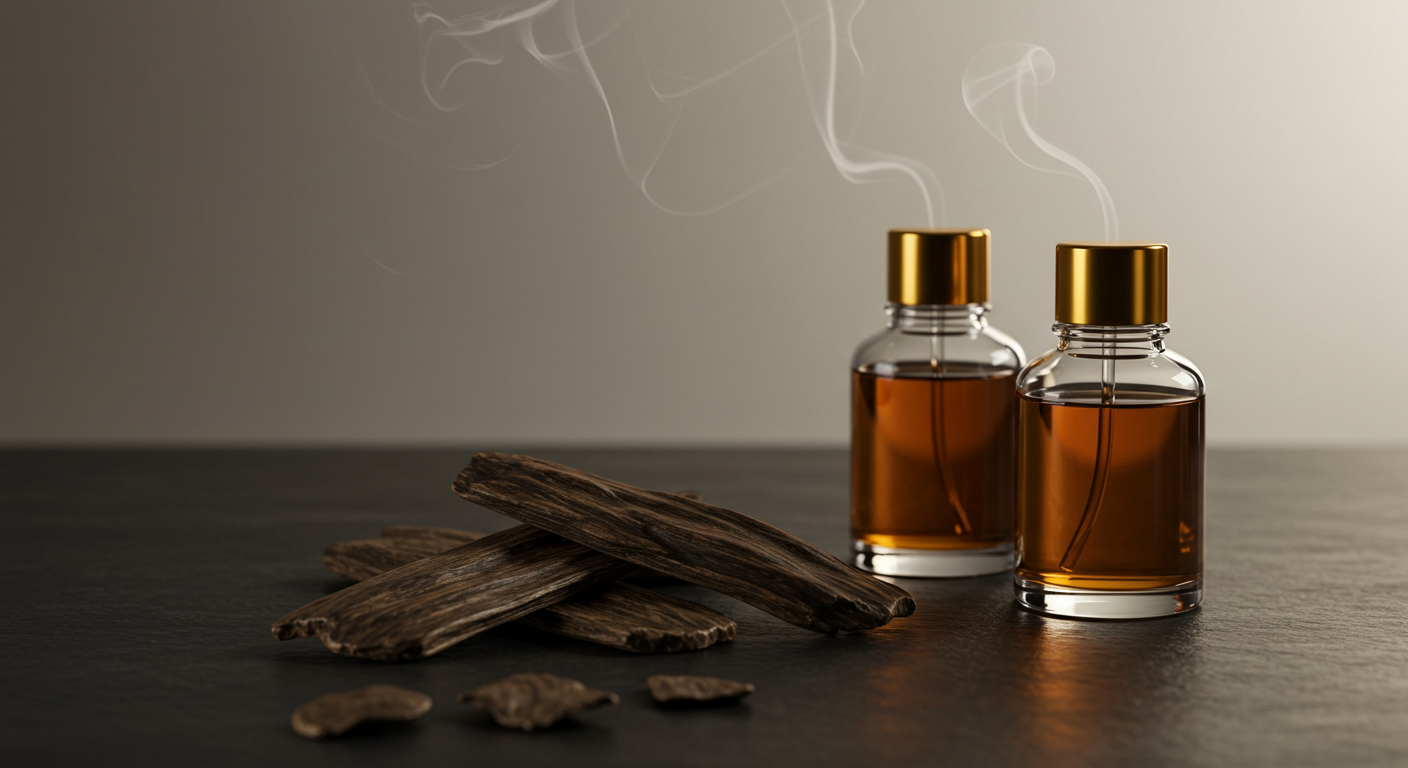
Few ingredients in perfumery command as much reverence and intrigue as oud. Often called “liquid gold” or “the wood of the gods,” this precious resin has captivated cultures for centuries, weaving its way into ancient rituals, traditional medicines, and, of course, exquisite fragrances. Its complex, multifaceted aroma stands apart, offering an experience unlike any other. Understanding the true oud scent profile means appreciating its unique origins and the intricate dance of notes it presents.
For those new to its allure, oud can be a revelation; for connoisseurs, it remains a constant source of fascination. This article explores what makes oud so special, from its rare source to the diverse aromatic journey it offers. We’ll break down its characteristics, explore regional variations, and offer practical advice for anyone looking to experience its profound depth.
What Exactly is Oud? The Source of the Scent
Before we can truly appreciate the oud scent profile, we must understand its genesis. Oud is not simply a wood; it’s a defense mechanism, a precious resin formed under very specific, rare conditions within certain trees. This unique origin story contributes significantly to its mystique and value.
From Agarwood Tree to Precious Resin
The journey of oud begins with the Aquilaria tree, primarily found in Southeast Asia. Under normal circumstances, the wood of these trees is pale and odorless. However, when the tree becomes infected by a specific type of mold, Phialophora parasitica, it responds by producing a dark, aromatic resin as a protective measure. This resin saturates the wood, transforming it into what we know as agarwood.
This process is entirely natural and unpredictable, making true agarwood incredibly rare. Only a small percentage of Aquilaria trees ever produce this resin, and the quality varies immensely. The darker and more resin-saturated the wood, the higher its value and the more potent its agarwood scent description. This scarcity is a primary driver of its high cost and desirability.
The Art of Extraction: Oud Oil Characteristics
Once harvested, the resinous agarwood undergoes a meticulous extraction process to yield oud oil. The most common method is hydro-distillation, where the wood is soaked in water and then slowly heated, causing the aromatic compounds to vaporize and condense into a concentrated oil. Other methods, like CO2 extraction, also exist, each influencing the final product.
The quality and specific oud oil characteristics depend on several factors: the species of Aquilaria tree, the age of the infection, the region of origin, and the distillation techniques employed. A skilled distiller can coax out different nuances, resulting in oils that range from intensely animalic to sweetly balsamic. This careful craftsmanship is crucial in defining the final aromatic signature.
Deconstructing the Oud Scent Profile: A Symphony of Notes
Describing what does oud smell like is a complex task, as its aroma is incredibly multifaceted and evolves significantly over time. It’s not a linear scent but a journey, revealing different facets from the moment it touches the skin until it fades hours later. This intricate development is a hallmark of its quality and depth.
The Initial Impression: Top Notes of Oud
The opening of an oud fragrance can be quite striking and, for some, even challenging. Many experience an immediate, sharp, and often medicinal quality, reminiscent of antiseptic or a sterile environment. This initial burst can also carry distinct leathery or smoky hints, adding to its immediate intensity.
Depending on the specific type of oud, you might also detect a slightly animalic edge right away. These powerful initial oud fragrance notes quickly give way to deeper complexities, setting the stage for the rich experience to come. It’s a bold introduction that demands attention.
The Heart of Oud: Complexities and Layers
As the initial sharpness mellows, the true core of the oud aroma profile emerges. This is where oud reveals its profound depth, often described as rich, woody, and balsamic. You might encounter earthy undertones, reminiscent of damp soil or ancient forests, alongside subtle spicy nuances.
Some types of oud, particularly those from certain regions, present a more pronounced fecal or barnyard aspect. This might sound off-putting, but in perfumery, these animalic notes contribute to oud’s raw, primal appeal and add a captivating warmth and complexity. They are often balanced by sweeter, resinous facets, creating a harmonious yet challenging heart to the oud scent profile.
The Lingering Base: Dry-down and Longevity
The dry-down is where oud truly shines, showcasing its exceptional longevity and transformative power. As the fragrance settles, it often becomes warmer, muskier, and more resinous. Sweet, amber-like qualities frequently emerge, wrapping the wearer in a comforting, opulent embrace.
The deep, woody foundation persists, often accompanied by a subtle smokiness that lingers for hours, sometimes even days, on fabric. These enduring oud oil characteristics make it a prized base note in many high-end perfumes. The final impression is one of profound richness, warmth, and an almost spiritual depth.
The Many Faces of Oud: Different Types and Regional Variations
Just as wine varies by terroir, the oud scent profile is profoundly influenced by its geographical origin and the specific Aquilaria species involved. This diversity means that saying “I like oud” or “I dislike oud” is often an oversimplification. There are truly different types of oud scents, each with its own unique character.
Regional Nuances: Cambodian, Indian, Thai, and More
Oud from Cambodia, for instance, is often celebrated for its sweeter, fruitier, and slightly jammy qualities, often with a subtle leathery undertone. It tends to be less overtly animalic than some other varieties, making it a popular choice for those new to oud.
Indian oud, particularly from Assam, is renowned for its intense animalic and fecal notes, often described as barnyard-like. It’s a powerful, raw, and deeply complex aroma, highly prized by traditionalists. Thai oud, on the other hand, frequently presents a more woody and spicy profile, sometimes with green or herbaceous facets, offering a different kind of warmth.
Other regions like Malaysia, Indonesia, and Vietnam also produce distinct ouds, each with unique characteristics shaped by local conditions and tree species. Exploring these regional variations is a journey in itself, revealing the vast spectrum of the oud aroma profile.
Natural vs. Synthetic Oud: Understanding the Differences
Given the rarity and expense of natural agarwood, synthetic oud accords have become prevalent in perfumery. These synthetic versions aim to replicate the key oud fragrance notes, often focusing on the woody, smoky, and resinous aspects, while sometimes toning down or omitting the more challenging animalic facets.
While synthetic ouds can offer a pleasant and more accessible interpretation, they typically lack the profound depth, complexity, and natural evolution of genuine oud oil. They often present a more linear scent, missing the subtle nuances and the living, breathing quality of the natural material. Understanding these differences helps in appreciating the true value of authentic oud and its distinct oud oil characteristics.
Is Oud a Masculine or Feminine Scent? Breaking Down Stereotypes
The question, “is oud a masculine or feminine scent?” often arises, especially in Western perfumery where gendered marketing is common. Traditionally, in the Middle East and parts of Asia, oud has been worn by both men and women for centuries, often as pure oil or in traditional attars. Its rich, deep, and often spiritual aroma transcends conventional gender boundaries.
In modern perfumery, oud’s versatility allows it to be blended in countless ways. When paired with bright citruses, delicate florals, or sweet gourmand notes, it can lean towards a more traditionally feminine profile. Conversely, when combined with strong leathers, tobacco, or spices, it often creates a robust, masculine impression. Ultimately, oud is a powerful and adaptable note that can be enjoyed by anyone, regardless of gender. Its appeal lies in its inherent complexity, not in its adherence to societal norms.
Practical Tips for Experiencing Oud
Approaching oud, especially for the first time, can feel daunting due to its reputation for intensity and complexity. However, with a few expert tips, you can truly appreciate the depth of the oud scent profile and find your perfect match.
How to Choose Your First Oud Fragrance
If you’re new to oud, I recommend starting with blends where oud is present but not necessarily the sole star. Look for fragrances that pair oud with more familiar notes like rose, vanilla, amber, or citrus. These combinations can soften oud’s edges and make its unique character more approachable. For example, a rose-oud blend is a classic pairing that introduces the woody depth of oud with the comforting sweetness of rose.
Consider the overall composition and how the what does oud smell like in that specific blend. Don’t be afraid to sample widely. Many niche brands offer discovery sets, which are excellent for exploring different interpretations of oud without a full bottle commitment.
Layering Oud: Enhancing Your Scent Journey
Layering is an art form in perfumery, and oud is an excellent candidate for it. Its robust oud aroma profile provides a strong foundation that can anchor lighter, more fleeting fragrances. Try layering a pure oud oil (applied sparingly to pulse points) with a simpler, complementary scent. A soft vanilla, a clean musk, or even a bright citrus can create a unique and personalized olfactory experience.
Experiment with different combinations to discover what works best for your skin chemistry and preferences. The goal is to enhance, not overpower, the individual components. This allows you to tailor the oud experience to your mood or occasion.
Storing Oud: Preserving its Potency
Like fine wine, oud oil and oud-based fragrances benefit from proper storage. Keep your oud in a cool, dark place, away from direct sunlight and extreme temperature fluctuations. Heat and light can degrade the delicate aromatic compounds, altering the oud oil characteristics over time.
Ensure bottles are tightly sealed to prevent evaporation and oxidation. While oud is known for its longevity, proper storage helps maintain its integrity and potency for years, allowing you to enjoy its rich aroma for longer.
Common Questions About Oud
Many people have questions about oud, given its unique nature and high value. Here, we address some of the most frequently asked queries.
What is the difference between oud and agarwood?
This is a common point of confusion. Agarwood refers to the resin-infused wood itself, the raw material harvested from the Aquilaria tree. Oud (also spelled ‘oudh’) is the oil extracted from this agarwood. So, agarwood is the source, and oud is the precious aromatic oil derived from it. The agarwood scent description refers to the smell of the wood, while the oud wood smell can also refer to the oil’s aroma.
Why is oud so expensive?
Several factors contribute to oud’s exorbitant price. Firstly, its rarity: only a small percentage of Aquilaria trees naturally produce the resin. Secondly, the difficulty and time-consuming nature of harvesting and processing the agarwood. Thirdly, the low yield: it takes a significant amount of agarwood to produce a small quantity of pure oud oil. Finally, high demand from luxury perfumery and traditional markets drives prices even higher. These combined elements make the unique oud oil characteristics a true luxury.
How long does oud last on the skin?
Oud is renowned for its exceptional longevity. Pure oud oil can easily last 8-12 hours on the skin, and sometimes even longer, depending on the concentration and individual skin chemistry. In a well-formulated fragrance, the oud scent profile can persist for many hours, often becoming a skin scent that lingers beautifully into the next day. This impressive staying power is one of its most valued attributes.
Can oud be worn year-round?
Absolutely. While oud’s rich, warm, and often heavy character makes it a natural fit for cooler months, its versatility allows for year-round wear. Lighter oud blends, perhaps with citrus or fresh notes, can be refreshing in spring and summer. The key is to choose an oud fragrance that complements the season and occasion. A subtle application of a pure oud oil can also be a beautiful personal indulgence at any time. The diverse oud aroma profile means there’s an oud for every season.
Final Thoughts: Embracing the Journey of Oud
Oud is more than just a fragrance note; it’s an experience, a journey into the heart of ancient traditions and natural wonder. Its complex, evolving oud scent profile offers an unparalleled depth that can be challenging, captivating, and ultimately, deeply rewarding. From its mysterious origins in the Aquilaria tree to the myriad of regional variations, oud invites exploration and appreciation.
Whether you’re drawn to its animalic intensity, its woody warmth, or its sweet, balsamic dry-down, there’s an oud out there waiting to enchant you. Embrace the opportunity to discover this extraordinary ingredient and let its unique aroma tell its story on your skin. The world of oud is vast and endlessly fascinating, promising a truly unique olfactory adventure.