

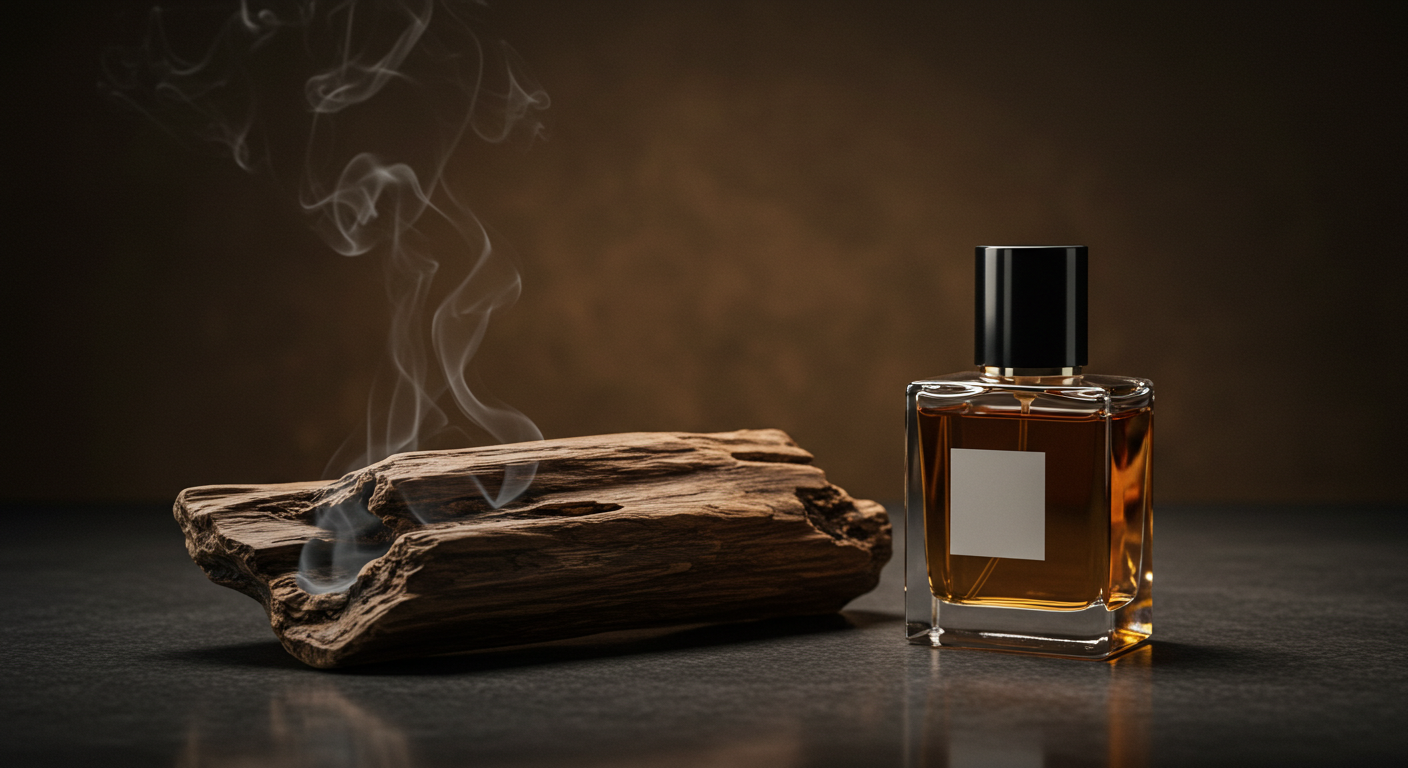
Among the most revered and complex ingredients in perfumery, oud fragrance notes stand apart. This precious resin, often called ‘liquid gold’ or ‘the wood of the gods,’ captivates fragrance enthusiasts with its profound depth and multifaceted character. Its aroma is not merely a scent; it’s an experience, a journey through ancient forests and rich cultural tapestries. Understanding oud means appreciating its unique origin, its diverse scent profile, and its transformative power in a fragrance composition. Let’s explore the captivating world of oud, from its rare genesis to its enduring presence in some of the most luxurious perfumes.
The Origin Story: What is Oud and Agarwood?
The story of oud begins with a remarkable natural phenomenon involving the Aquilaria tree, primarily found in Southeast Asia. When this tree is infected by a specific type of mold, Phialophora parasitica, it reacts by producing a dark, fragrant resin within its heartwood. This resin-infused wood is known as agarwood.
The process is entirely natural and quite rare, occurring in only a small percentage of wild Aquilaria trees. This scarcity contributes significantly to agarwood’s high value and its status as a prized material. Historically, cultures across the Middle East, India, and East Asia have revered agarwood for centuries, burning it as incense in religious ceremonies, using it in traditional medicine, and valuing it for its distinct aromatic properties. The rich history and cultural significance underscore why oud perfume ingredients are so cherished today.
What Does Oud Smell Like? Decoding the Agarwood Scent Profile
Describing the exact aroma of oud can be challenging, as its complexity defies simple categorization. However, when people ask, what does oud smell like, a few core characteristics consistently emerge. It’s an aroma that commands attention, often described as rich, warm, and deeply resonant. The agarwood scent profile is truly unique, offering a blend of earthy, woody, and sometimes animalic nuances that evolve beautifully on the skin.
The Core Character: Woody, Resinous, and Animalic Depths
At its heart, oud is profoundly woody. These are not light, fresh wood notes, but rather deep, dark, and aged wood tones, reminiscent of ancient forests or polished antique furniture. This woodiness provides a robust foundation for the entire aroma. Intertwined with this is a distinct resinous quality, often described as balsamic or slightly sweet, adding a sticky, warm depth that can feel almost syrupy. These resinous fragrance notes contribute to oud’s remarkable longevity and richness.
Perhaps the most intriguing aspect for many is the animalic facet. This can manifest as leathery, musky, or even a slightly barnyard-like scent, particularly in natural, high-quality oud. This animalic touch is what gives oud its raw, primal allure and contributes to its reputation as a powerful, almost challenging note for some. These combined elements create a truly captivating and complex experience, making woody fragrance notes from oud exceptionally distinctive.
Nuances and Variations: A Spectrum of Aroma
The beauty of oud lies in its vast spectrum of aromas, which can vary significantly based on the Aquilaria species, geographical origin, age of the tree, and the specific infection process. For instance, oud from Cambodia might present a sweeter, fruitier, and slightly jammy profile, while Indian oud can be more intensely animalic and smoky. Laotian oud often leans towards leathery and spicy notes, and Indonesian varieties might offer a greener, more earthy character.
These variations mean that the agarwood scent profile is never static. You might encounter smoky, sweet, medicinal, earthy, spicy, or even subtly fecal undertones. These nuances are what make exploring different types of oud wood so fascinating for perfumers and enthusiasts alike. Each iteration of oud fragrance notes tells a different story, offering a unique aromatic journey.
Natural Oud vs. Synthetic Oud: Understanding the Differences
Given the rarity and cost of natural agarwood, perfumery has developed two distinct approaches to incorporating oud: using natural oud oil or crafting synthetic oud accords. Understanding the distinction between synthetic oud vs natural oud is crucial for appreciating the diverse world of oud fragrances and the implications for both scent and sustainability.
The Rarity and Complexity of Natural Oud
Natural oud oil is extracted directly from resin-infused agarwood through distillation. Its production is labor-intensive and yields are low, making it one of the most expensive raw materials in perfumery. The high demand and limited supply have led to concerns about overharvesting and sustainability, though ethical and cultivated sources are becoming more prevalent. The scent of natural oud is incredibly complex and dynamic, evolving on the skin over many hours. Different types of oud wood, such as those from Assam, Trat, or Papua, each possess a unique signature, from intensely animalic to sweetly balsamic. This natural variability is part of its charm and challenge, as no two batches are exactly alike.
The Innovation of Synthetic Oud Accords
To address the cost, scarcity, and ethical concerns associated with natural oud, perfumers have developed sophisticated synthetic oud accords. These are carefully constructed blends of various aroma chemicals designed to mimic the key facets of natural oud. Modern perfumery relies heavily on these synthetic creations, which offer several advantages: consistency in scent profile, ethical sourcing, and greater affordability. They also allow perfumers to isolate and emphasize specific aspects of oud, creating lighter, cleaner, or more floral interpretations that might not be possible with natural oil. While a synthetic accord may not possess the exact same raw, evolving complexity of natural oud, it provides perfumers with an invaluable tool to create beautiful and accessible oud-inspired fragrances, bridging the gap between synthetic oud vs natural oud.
Oud in Fragrance Composition: Blending and Performance
Perfumery professionals often utilize oud fragrance notes as a powerful anchor in a composition. Its inherent depth and tenacity make it an ideal base note, providing structure and longevity to a scent. When incorporated, oud perfume ingredients can transform a fragrance, adding a layer of sophistication, warmth, and exoticism. It’s a note that demands respect and careful blending to achieve balance and harmony.
Common Pairings: Complementing Oud’s Intensity
Oud’s robust character makes it a fantastic partner for a variety of other notes. One of the most classic and beloved pairings is with rose, where the floral sweetness and slight tartness of rose beautifully soften and complement oud’s intensity, creating a harmonious balance. Saffron, with its leathery and spicy facets, also frequently accompanies oud, enhancing its exotic warmth. Other popular companions include amber, which amplifies its resinous qualities, and patchouli, which adds an earthy, slightly chocolatey depth. These combinations often feature other woody fragrance notes like cedarwood or sandalwood, and additional resinous fragrance notes such as frankincense or myrrh, further enriching the overall aroma profile.
The Enduring Power: Oud Fragrance Longevity and Sillage
One of the most celebrated attributes of oud is its exceptional staying power. As a heavy base note, oud molecules evaporate slowly, allowing the fragrance to linger on the skin for many hours, often well over 8-12 hours, and sometimes even longer. This remarkable oud fragrance longevity means that a little goes a long way. Beyond its persistence, oud also boasts impressive sillage, meaning the scent projects noticeably from the wearer. This combination of longevity and projection makes oud a prominent and impactful note, ensuring its presence is felt throughout the life of the fragrance.
Navigating the World of Oud: Expert Tips for Enthusiasts
For those looking to explore or deepen their appreciation for oud, a thoughtful approach can enhance the experience. The world of oud is vast and varied, offering something for every preference, from the bold and traditional to the modern and nuanced.
Starting Your Oud Journey: Where to Begin
If you’re new to oud, I recommend starting with fragrances that feature oud as part of a blend, rather than a pure oud oil. Many designers and niche houses offer compositions where oud is softened by florals, brightened by citrus, or smoothed by vanilla. This allows you to acclimate to the core oud fragrance notes without being overwhelmed. Explore different perfumer interpretations; some focus on the animalic aspects, while others highlight its woody or resinous facets. Understanding your personal preferences for sweetness, smokiness, or earthiness will guide you toward the best oud fragrances for your taste.
Identifying Quality and Authenticity
When purchasing oud, whether natural or synthetic, look for reputable brands and transparent sourcing. For natural oud, information about the origin (e.g., Cambodian, Indian) and distillation method can indicate quality. For synthetic oud, a well-crafted composition will seamlessly integrate the oud accord with other notes, creating a balanced and sophisticated scent. A good quality oud fragrance, regardless of its natural or synthetic components, will feel rich, complex, and well-blended, offering a satisfying evolution on the skin. Distinguishing between a high-quality synthetic oud vs natural oud often comes down to the overall artistry of the perfumer.
Common Questions About Oud Fragrance Notes (FAQ)
What does oud smell like to someone trying it for the first time?
For a newcomer, oud can be quite striking. The initial impression often includes a deep, dark woodiness, sometimes with a smoky or slightly medicinal edge. Depending on the specific oud, you might also detect earthy, leathery, or even a subtle animalic quality. It’s a powerful and distinctive aroma that often requires a few wearings to fully appreciate its nuances.
Is natural oud always superior to synthetic oud in perfumes?
Not necessarily. While natural oud offers unparalleled complexity and an organic evolution, synthetic oud accords provide consistency, ethical sourcing, and affordability. Many master perfumers skillfully use synthetic oud to create stunning, well-balanced fragrances that are both beautiful and accessible. The ‘superiority’ often depends on the desired effect and the perfumer’s artistry, rather than the material itself.
How long can I expect an oud fragrance to last on my skin?
Oud is renowned for its exceptional staying power. You can typically expect an oud fragrance to last anywhere from 8 to 12 hours on the skin, and sometimes even longer, depending on the concentration and individual skin chemistry. Its robust nature makes for impressive oud fragrance longevity.
Are oud fragrances suitable for all occasions or seasons?
Oud fragrances, with their rich and intense character, are often best suited for cooler weather or evening wear. Their warmth and depth make them ideal for autumn and winter, or for formal occasions. However, lighter, fresher interpretations of oud fragrance notes, often blended with citrus or lighter florals, can be worn during warmer months or in more casual settings.
Can you recommend some well-regarded oud fragrances to explore?
Many houses offer excellent oud interpretations. For a classic rose-oud, consider options from brands known for their Middle Eastern-inspired collections. For a more animalic and traditional take, look into artisanal oud oils. If you prefer a modern, wearable oud, explore offerings from contemporary niche perfumers who often blend oud with unexpected notes. The key is to sample widely to discover the best oud fragrances that resonate with your personal style.
Final Thoughts: The Enduring Fascination with Oud
The journey through the world of oud fragrance notes reveals a material of extraordinary depth and cultural significance. From its rare origins in the heart of the Aquilaria tree to its masterful integration into modern perfumery, oud continues to captivate and inspire. Its complex aroma, ranging from deep woodiness and rich resins to intriguing animalic facets, ensures its place as a truly remarkable and timeless ingredient. Whether you prefer the raw power of natural agarwood or the refined artistry of a synthetic accord, oud offers an unparalleled aromatic experience, evoking luxury, mystery, and an undeniable sense of presence. It remains a testament to nature’s wonders and the perfumer’s craft.