
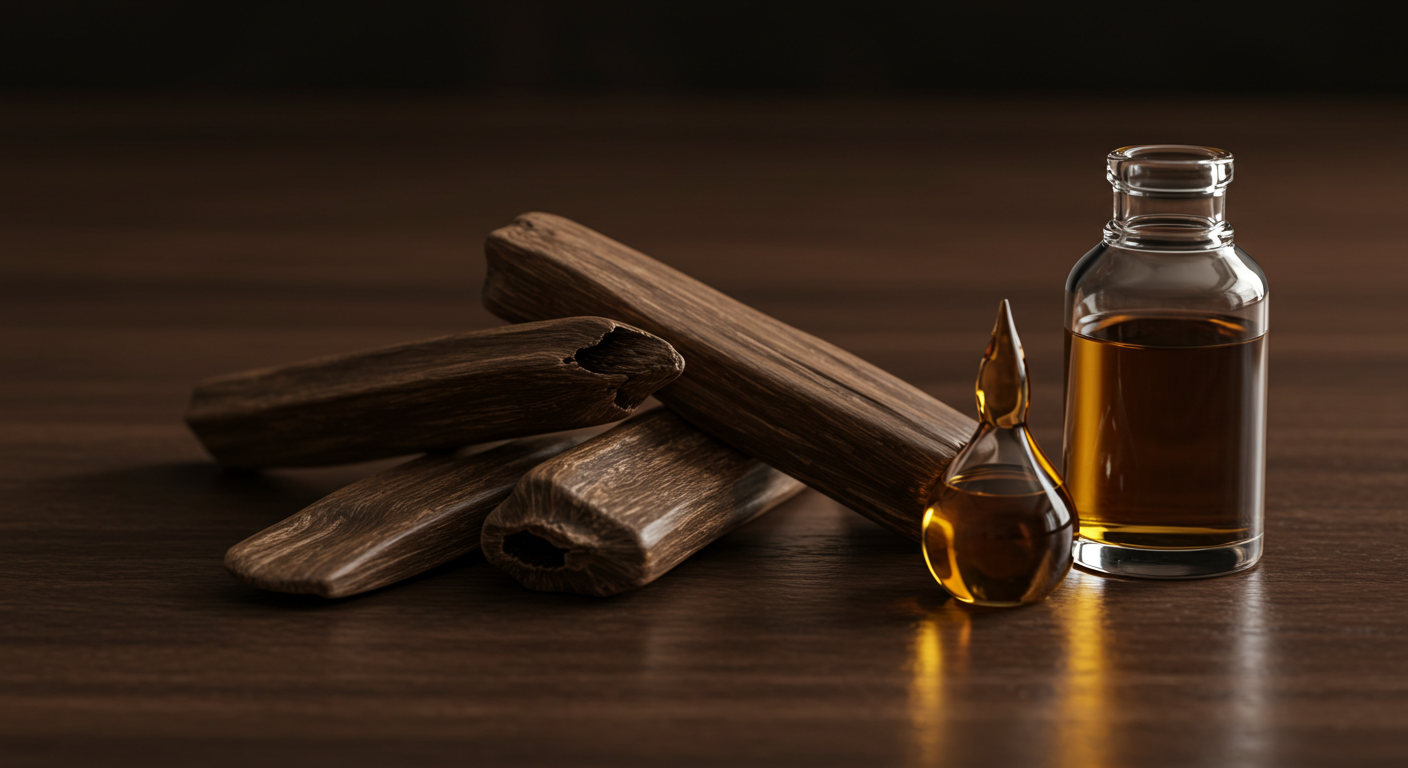
Oud, often referred to as ‘liquid gold’ or ‘the wood of the gods,’ holds a legendary status in the world of perfumery. Its rich, complex aroma is instantly recognizable and deeply captivating, making it one of the most sought-after and expensive ingredients globally. From ancient traditions to modern luxury fragrances, oud’s journey is steeped in mystique and rarity. This exploration will delve into the origins, extraction, and unique characteristics of this remarkable material, answering the fundamental question: what is oud? We will trace its path from a rare tree infection to a treasured essence, revealing why it commands such high regard and how it shapes the olfactory landscape.
The Genesis of a Scent: Understanding Agarwood and Oud
At its core, what is oud? It is a dark, resinous heartwood that forms within specific trees, primarily of the Aquilaria genus. This precious material is not naturally present in healthy trees. Instead, it is a defense mechanism. When an Aquilaria tree becomes infected by a particular type of mold, Phialophora parasitica, it responds by producing a dark, fragrant resin to protect itself. This resin saturates the wood, transforming it into the highly prized agarwood. The term oud wood refers to this infected, resin-laden timber, which is then processed to extract its aromatic compounds.
From Aquilaria Tree to Precious Resin: The Agarwood Story
The transformation of ordinary Aquilaria wood into fragrant agarwood is a fascinating natural phenomenon. Healthy Aquilaria trees have light, pale wood with little to no scent. The magic begins when the tree sustains damage, perhaps from insects, lightning, or human intervention, creating an entry point for the fungal infection. The fungus then spreads through the tree’s heartwood, prompting the tree to produce oleoresin as a defense. Over decades, or even centuries, this resin accumulates, hardening and darkening the wood. Only a small percentage of Aquilaria trees in the wild ever become infected, making naturally occurring oud wood exceptionally rare. The quality and scent profile of the resulting agarwood depend on various factors, including the specific Aquilaria species, the type of fungus, the duration of the infection, and environmental conditions.
The Art and Challenge of Harvesting: How is Oud Acquired?
The process of acquiring agarwood, and subsequently oud, is as challenging as it is intricate. Traditionally, how is oud harvested involved locating infected Aquilaria trees in dense rainforests, often in remote and dangerous terrains across Southeast Asia. Harvesters would meticulously identify infected trees, which can be difficult as the infection is internal. Once a tree is felled, the non-infected wood is removed, leaving only the dark, resin-saturated agarwood. This labor-intensive process requires significant skill and experience. Modern approaches include sustainable plantation cultivation, where trees are intentionally inoculated with the fungus to induce resin formation. While this method aims to reduce pressure on wild populations, the quality and complexity of cultivated oud can differ from wild-harvested varieties, which often benefit from longer infection periods and natural environmental stressors.
From Wood to Elixir: The Journey to Oud Oil and Fragrance
Once harvested, the raw agarwood undergoes a meticulous transformation to yield oud oil, the concentrated essence used in fine perfumery. This process is crucial for creating the distinctive oud fragrance that captivates so many. The most common methods for extraction are hydro-distillation and steam distillation. In hydro-distillation, the agarwood chips are submerged in water and boiled, with the steam carrying the volatile aromatic compounds. This steam is then cooled, separating the oil from the water. Steam distillation follows a similar principle but uses steam passed through the wood chips. Both methods are time-consuming and require precise control to preserve the delicate and complex aromatic molecules that define a true oud fragrance.
Distilling Liquid Gold: Crafting Pure Oud Oil
The creation of pure oud oil is an art form demanding patience and substantial resources. To produce even a small quantity of high-grade oud oil, a significant amount of agarwood is required. For instance, it can take dozens of kilograms of premium agarwood chips to yield just a few milliliters of pure oil. The distillation process itself can last for several days, sometimes even weeks, to ensure maximum extraction of the aromatic compounds. The resulting oud oil is incredibly potent and concentrated, possessing a viscosity that can range from thin to thick, depending on the wood source and distillation technique. Its purity and intensity are key contributors to its value and its profound impact on any oud fragrance it graces.
The High Cost of Rarity: Why is Oud So Expensive?
The question of why is oud so expensive? can be answered by a confluence of factors, each contributing to its status as one of the world’s most valuable natural commodities. Firstly, its extreme rarity is paramount; only a small percentage of Aquilaria trees naturally produce agarwood, and the process takes decades. Secondly, the challenging and often dangerous harvesting methods, particularly for wild oud, add to the cost. Thirdly, the labor-intensive and time-consuming extraction of oud oil, requiring vast quantities of raw material for minimal yield, significantly drives up prices. High demand from luxury markets, particularly in the Middle East and Asia, further inflates its value. Finally, increasing concerns about sustainability and the need for ethical sourcing contribute to the premium associated with genuine, responsibly harvested oud oil. These combined elements solidify oud’s position as a luxury ingredient, with prices often exceeding that of gold by weight.
Decoding the Aroma: The Complex Oud Scent Profile
The oud scent profile is renowned for its extraordinary complexity and depth, making it a truly unique olfactory experience. It is often described as woody, animalic, smoky, leathery, and sometimes even medicinal or fecal, yet it can also present sweet, balsamic, or honeyed nuances. The initial impression can be intense and challenging, but as it develops, it reveals layers of warmth, richness, and sophistication. This multifaceted character allows oud fragrance to evolve beautifully on the skin, offering a long-lasting and memorable trail. The specific notes within the oud scent profile can vary dramatically based on the origin of the agarwood, the species of Aquilaria tree, the type of fungal infection, and the distillation process.
Regional Variations: Exploring Different Types of Oud
Just as wine varies by terroir, the oud scent profile is heavily influenced by its geographical origin. Different types of oud from various regions possess distinct aromatic characteristics. For example:
- Cambodian Oud: Often described as sweet, fruity, and slightly animalic, with hints of red berries and a warm, woody base.
- Indian Oud (Assam): Known for its potent, animalic, and barnyard-like qualities, often with a deep, earthy, and leathery undertone. It is considered one of the most traditional and intense types.
- Laotian Oud: Tends to be sweeter and more resinous than Indian oud, with a slightly spicy and woody character.
- Thai Oud: Can range from sweet and floral to green and slightly sour, depending on the specific region within Thailand.
- Malaysian Oud: Often presents a balanced profile, with woody, green, and slightly spicy notes, sometimes with a hint of sweetness.
These regional differences mean that exploring various types of oud can lead to vastly different olfactory journeys, each offering a unique interpretation of the core oud scent profile.
Oud in Perfumery: A Cornerstone of Luxury Fragrance
The integration of oud in perfumery has revolutionized the luxury fragrance market, establishing it as a cornerstone ingredient. Perfumers value oud not only for its distinctive aroma but also for its exceptional fixative qualities, which help other fragrance notes last longer on the skin. It typically serves as a powerful base note, providing a deep, anchoring foundation for a composition. Its versatility allows it to be blended with a wide array of ingredients. For instance, oud paired with rose creates a classic, opulent Middle Eastern accord, while combinations with saffron, amber, or spices yield rich, exotic oud fragrance profiles. Perfumers often use oud to add complexity, warmth, and an undeniable sense of luxury, transforming a simple scent into a profound olfactory statement. The challenge lies in balancing its intensity, ensuring it enhances rather than overwhelms the overall composition.
The Authenticity Debate: Real Oud vs Synthetic Oud
Given its exorbitant cost and rarity, the distinction between real oud vs synthetic oud is a critical discussion in the fragrance industry. Synthetic oud alternatives are developed for several reasons: to reduce costs, address sustainability concerns regarding overharvesting of wild agarwood, and provide a consistent aroma profile that natural oud, with its inherent variations, cannot always guarantee. These synthetic molecules attempt to mimic the complex oud scent profile, often focusing on its woody, leathery, or smoky facets. While some synthetic blends are remarkably sophisticated, they typically lack the profound depth, natural evolution, and subtle nuances found in genuine oud oil. The intricate interplay of hundreds of aromatic compounds in natural oud is incredibly difficult to replicate entirely in a laboratory setting. Understanding this difference is key for consumers seeking an authentic oud experience.
Identifying Genuine Oud: An Expert’s Guide
Distinguishing real oud vs synthetic oud requires a discerning nose and an understanding of key indicators. When seeking genuine oud oil or an authentic oud fragrance, consider the following:
- Price: Genuine oud is expensive. If a product is priced significantly lower than market averages for natural oud, it is likely synthetic or heavily diluted.
- Complexity of Aroma: Real oud evolves on the skin, revealing multiple layers and subtle shifts over time. Synthetic oud often presents a more linear, less dynamic scent.
- Viscosity: Pure oud oil typically has a noticeable viscosity, ranging from a slightly oily texture to a thicker, resinous consistency, depending on its origin and age.
- Source and Transparency: Purchase from reputable vendors who provide detailed information about the oud’s origin, species, and distillation method. Transparency is a hallmark of genuine suppliers.
- Longevity: While synthetic oud can be long-lasting, real oud often boasts exceptional longevity and sillage due to its natural fixative properties.
These observations can help consumers make informed choices when investing in an oud fragrance or pure oil.
Expert Tips for Embracing Oud: Choosing and Wearing Your Fragrance
For those new to this captivating aroma, embracing oud fragrance can be a rewarding journey. To truly appreciate what is oud? from a personal perspective, consider starting with oud blends rather than pure oud oil, as these often soften its intensity with complementary notes like rose, vanilla, or citrus. When choosing an oud fragrance, think about the occasion: a lighter, fresher oud blend might suit daytime wear, while a richer, more animalic composition is ideal for evenings or special events. Apply oud sparingly, as its potency means a little goes a long way. It performs exceptionally well on pulse points, where body heat helps to diffuse its complex aroma throughout the day. Allow the fragrance to develop on your skin; the initial impression can be quite different from its dry-down. Experiment with different regional types of oud to discover which specific oud scent profile resonates most with your personal taste.
Common Questions About Oud (FAQ)
Is oud ethical and sustainable?
The ethics and sustainability of oud production are significant concerns. Historically, overharvesting of wild Aquilaria trees led to several species becoming endangered. Today, efforts are being made to promote sustainable practices, including the establishment of cultivated agarwood plantations where trees are inoculated to produce resin. Consumers can support ethical sourcing by purchasing from brands that are transparent about their supply chain, use CITES-certified (Convention on International Trade in Endangered Species of Wild Fauna and Flora) agarwood, or source from reputable, sustainably managed plantations. Understanding how is oud harvested and processed is key to making responsible choices.
How long does an oud fragrance typically last?
Oud fragrance is renowned for its exceptional longevity. Due to the heavy molecular structure of its compounds and its natural fixative properties, an oud-based perfume can often last for 8 to 12 hours, and sometimes even longer, on the skin. On clothing, the scent can linger for days. This impressive staying power is one of the reasons oud is so highly valued in perfumery, offering a lasting and evolving aromatic experience.
Can women wear oud, or is it primarily for men?
While oud has traditionally been popular in men’s fragrances, particularly in Middle Eastern cultures, oud fragrance is entirely gender-neutral. Its complex and versatile nature allows it to be incorporated into a wide range of compositions, from intensely masculine to beautifully feminine, and many unisex scents. Perfumers frequently blend oud with floral notes like rose or jasmine to create softer, more alluring profiles, making it appealing to all genders. The perception of oud as masculine is largely cultural; its inherent aroma transcends gender boundaries.
What is the best way to store oud oil or oud-based perfumes?
To preserve the quality and longevity of oud oil and oud fragrance, proper storage is essential. Keep them in a cool, dark place, away from direct sunlight and extreme temperature fluctuations. Heat and light can degrade the delicate aromatic compounds, altering the scent and reducing its potency. Ensure bottles are tightly sealed to prevent oxidation and evaporation. Storing them in their original packaging or a dark cabinet is ideal. With proper care, high-quality oud oil and perfumes can maintain their integrity for many years.
Final Thoughts: The Enduring Allure of Oud
From its humble beginnings as a fungal infection in a rare tree to its exalted status as a global luxury, the journey of oud is truly remarkable. Understanding what is oud? reveals a narrative of natural wonder, human ingenuity, and profound cultural significance. Its complex, evolving aroma, coupled with its rarity and challenging acquisition, solidifies its place as one of the most captivating ingredients in the world of fragrance. Whether experienced in its pure oil form or as a central note in a sophisticated blend, oud fragrance offers an unparalleled depth and richness that continues to enchant and inspire. Its timeless appeal ensures that oud will remain a cherished and sought-after essence for generations to come, inviting all to explore its unique and powerful olfactory signature.