
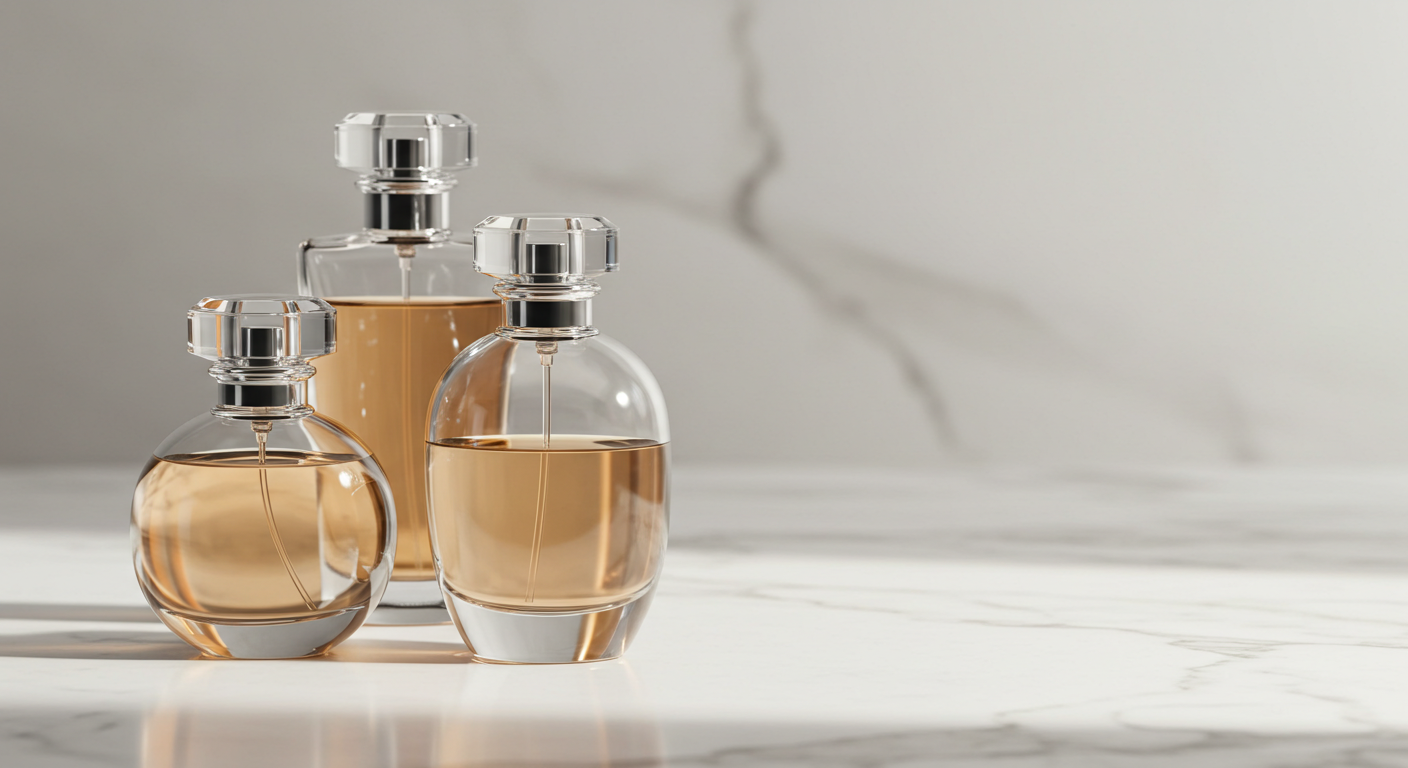
Many fragrance enthusiasts invest significantly in their scent collections, often accumulating bottles over time. A common and crucial question arises: can perfume go bad? Understanding your fragrance’s lifespan is essential not only for preserving the quality of your cherished scents but also for protecting your investment. While perfume doesn’t ‘expire’ in the same way food does, its aromatic compounds are susceptible to degradation, leading to noticeable changes in scent, color, and overall character. Several factors influence how long a fragrance maintains its intended profile, and recognizing these can help you extend the life of your favorite perfumes.
The Reality of Perfume Longevity: Does Fragrance Truly Expire?
The direct answer to whether perfume can go bad is yes, it can. However, it’s more accurate to say that perfume degrades or deteriorates over time rather than strictly ‘expires.’ Unlike perishable goods with definitive expiration dates, fragrance doesn’t become unsafe to use, but its quality, intensity, and original scent profile will diminish or alter. The delicate balance of aromatic compounds that make up a perfume is vulnerable to various environmental factors, which can break down these molecules and change the fragrance’s character. Understanding the typical perfume shelf life is key to managing your collection.
Understanding Perfume Shelf Life: A General Overview
The typical perfume shelf life varies depending on whether the bottle has been opened or remains sealed. Once a bottle is opened and exposed to air, the degradation process begins more rapidly. Generally, an opened bottle of perfume can maintain its quality for approximately 3 to 5 years. Some lighter formulations, like citrus-heavy colognes or eau de toilettes, might have a shorter lifespan, perhaps 1 to 2 years, due to the volatility of their top notes. Heavier, resinous, or oriental fragrances, often rich in base notes, can sometimes last longer, even up to 5-8 years, if stored correctly. These are general guidelines, and individual experiences can differ based on the specific fragrance composition and storage conditions.
Does Unopened Perfume Expire? The Sealed Bottle Factor
Even if a bottle remains sealed and untouched, the question of, “does unopened perfume expire?” is relevant. While an unopened bottle will certainly last significantly longer than an opened one, it is not entirely immune to degradation. Protected from direct air exposure, the primary enemies become light and temperature fluctuations. Stored under ideal conditions (cool, dark, stable), an unopened perfume can last for many years, sometimes even decades, with minimal change. However, prolonged exposure to adverse conditions, such as direct sunlight or extreme heat, can still cause the compounds to break down, even within a sealed container. The integrity of the seal itself also plays a role; a perfectly airtight seal offers the best protection.
What Causes Perfume to Go Bad? The Science of Degradation
To truly understand why perfume can go bad, it’s helpful to look at the scientific processes that lead to its deterioration. Fragrances are complex mixtures of natural and synthetic aromatic compounds dissolved in alcohol, often with a small amount of water. These compounds are delicate and reactive, making them susceptible to chemical changes when exposed to certain environmental elements. The primary culprits behind a fragrance’s decline are oxidation, light, heat, and to a lesser extent, humidity and impurities.
Oxidation: The Impact of Air Exposure
One of the most significant factors in what causes perfume to go bad is oxidation. Every time you spray a perfume, a small amount of air enters the bottle. Oxygen in the air reacts with the aromatic molecules in the fragrance, particularly the more volatile top and middle notes. This chemical reaction can alter the molecular structure of these compounds, leading to a change in their smell. Oxidized notes often develop a metallic, sour, or plasticky aroma, losing their original freshness and vibrancy. This process is accelerated once the bottle is opened and the fragrance is regularly exposed to air.
Light and Heat: Environmental Enemies of Fragrance
Light, especially ultraviolet (UV) light, and heat are powerful catalysts for chemical reactions that degrade perfume. UV rays can break down the chemical bonds within fragrance molecules, leading to their decomposition and alteration. This is why perfumes are often packaged in opaque or dark glass bottles. Similarly, high temperatures accelerate chemical reactions, causing volatile compounds to evaporate more quickly and other molecules to break down. Fluctuations between hot and cold can also stress the chemical structure. These environmental factors are major contributors to what causes perfume to go bad, even in unopened bottles.
Humidity and Impurities: Other Contributing Factors
While less impactful than oxidation, light, and heat, excessive humidity can also play a role in fragrance degradation. High humidity can promote the growth of mold or bacteria if any impurities are present, though this is rare in alcohol-based perfumes. More commonly, humidity can affect the integrity of the packaging, leading to label damage or rust on metal components, which might indirectly affect the perfume over very long periods. Impurities, such as dust or skin oils introduced into the bottle (e.g., by touching the atomizer directly), can also introduce foreign substances that react with the perfume’s delicate composition, contributing to what causes perfume to go bad.
How to Tell if Perfume Has Expired: Recognizing the Signs
Knowing how to tell if perfume has expired is crucial for maintaining a pleasant fragrance experience. While there’s no strict “expiration date” like on food, several clear indicators signal that your perfume has degraded. Recognizing these signs of expired perfume can help you decide when it’s time to retire a bottle.
Changes in Scent Profile: The Most Obvious Indicator
The most direct and noticeable of the signs of expired perfume is a change in its scent profile. The top notes, being the most volatile, are usually the first to go. They might smell weak, disappear quickly, or take on an unpleasant, sharp, or alcoholic odor. The overall fragrance might become sour, metallic, plasticky, or even vinegary. It could lose its original complexity, smelling flat or simply “off.” The beautiful balance of notes that once defined the perfume will be disrupted, making it clear that the fragrance is no longer as intended. This is the primary way to determine how to tell if perfume has expired.
Visual Alterations: Color and Clarity
Another key indicator among the signs of expired perfume involves visual alterations. Perfume liquid, especially lighter-colored formulations, may darken over time. This color change is often due to oxidation or the breakdown of certain aromatic compounds. For instance, a pale yellow liquid might turn amber or even brown. Additionally, the liquid might become cloudy or hazy, losing its original clarity. In some cases, you might even observe sediment or small particles floating at the bottom of the bottle. These visual cues are strong indicators that the perfume’s chemical composition has changed.
Texture and Consistency: Beyond the Scent
While less common, changes in the perfume’s texture and consistency can also be subtle signs of expired perfume. The liquid might feel slightly oilier or stickier on the skin than it originally did. This can happen if some of the lighter, more volatile components have evaporated, leaving behind a higher concentration of heavier oils or resins. If the spray mechanism becomes clogged or delivers an inconsistent mist, it could also be a sign of changes within the liquid, though this can sometimes be a mechanical issue with the atomizer itself.
Maximizing Longevity: How to Store Perfume Properly
Extending the life of your fragrances is largely dependent on understanding how to store perfume properly. By creating an optimal environment for your bottles, you can significantly slow down the degradation process and preserve their intended scent for as long as possible.
The Ideal Environment: Cool, Dark, and Dry
The golden rule for how to store perfume properly is to keep it in a cool, dark, and dry place with stable temperatures. This means avoiding direct sunlight, bright artificial light, and areas prone to heat fluctuations. A closet, a drawer, or a dedicated fragrance cabinet are excellent choices. The ideal temperature range is generally between 55-70°F (13-21°C). Consistency is key; rapid changes in temperature are more damaging than a slightly warmer but stable environment. Keeping bottles away from excessive humidity also helps prevent potential issues with packaging and minor chemical reactions.
Avoiding Common Storage Mistakes: Bathroom Shelves and Windowsills
Many people unknowingly store their perfumes in the worst possible locations. Bathroom shelves, for instance, are highly problematic due to the constant fluctuations in temperature and humidity from showers and baths. These conditions accelerate degradation. Similarly, windowsills, dressing tables exposed to direct sunlight, or shelves near radiators are detrimental. The light and heat from these locations will quickly break down the delicate aromatic compounds, causing your perfume to go bad much faster than necessary. Understanding these pitfalls is crucial for how to store perfume properly.
Original Packaging and Air Exposure: Best Practices
For optimal preservation, always keep your perfume in its original box. The box provides an additional layer of protection against light and helps maintain a more stable micro-environment around the bottle. Furthermore, always ensure the cap is tightly sealed after each use. This minimizes air exposure, which is a primary cause of oxidation. While atomizers are designed to limit air entry, a loose cap can allow more oxygen to interact with the fragrance, accelerating the process of what causes perfume to go bad.
Decoding the Perfume Expiration Date and PAO Symbol
While perfumes don’t typically carry a hard perfume expiration date like food products, there are symbols and codes on packaging that offer guidance on their expected lifespan. Understanding these can help you manage your fragrance collection more effectively.
The PAO (Period After Opening) Symbol Explained
Many cosmetic and fragrance products feature a “Period After Opening” (PAO) symbol. This symbol looks like an open jar with a number followed by the letter “M” (e.g., “24M”). The number indicates how many months the product is expected to remain in good condition once it has been opened. So, “24M” means 24 months or two years after opening. While this is a general guideline and not a strict perfume expiration date, it provides a useful benchmark for when you might start to notice changes in your fragrance’s quality.
Batch Codes and Manufacturing Dates: A Deeper Dive
Beyond the PAO symbol, most perfume bottles and their packaging will have a batch code. This is typically a series of numbers and letters stamped or printed on the bottom of the bottle or box. While not a direct perfume expiration date, this code can sometimes be used with online batch code checkers to determine the manufacturing date of the perfume. Knowing the manufacturing date can give you an idea of the perfume’s age, which, combined with its storage history, can help you estimate its remaining shelf life. However, these checkers are not always perfectly accurate, and the manufacturing date alone doesn’t dictate how well a perfume has been preserved.
Frequently Asked Questions About Perfume Expiration
Concerns about fragrance longevity are common. Here are answers to some frequently asked questions about whether can perfume go bad and related topics.
Is it safe to use expired perfume?
Generally, using perfume that has degraded is not harmful, but it can be unpleasant. The primary risk is skin irritation, especially for individuals with sensitive skin, due to the altered chemical composition. The scent itself will likely be “off,” smelling sour, metallic, or simply not as intended. While it won’t cause serious health issues, it’s best to discontinue use if you notice significant changes in scent, color, or if it causes any skin discomfort. This helps you determine how to tell if perfume has expired and if it’s still suitable for use.
How long does perfume last once sprayed on skin?
This question refers to the wear time of a fragrance, which is distinct from the perfume shelf life in the bottle. How long a perfume lasts on the skin depends on many factors: the concentration of the fragrance (e.g., Eau de Cologne vs. Eau de Parfum), the specific ingredients (some notes are more volatile than others), your individual skin chemistry, and environmental conditions. Generally, Eau de Cologne lasts 1-3 hours, Eau de Toilette 3-5 hours, Eau de Parfum 5-8 hours, and Extrait de Parfum 8+ hours. This is about performance, not degradation of the product itself.
Does expensive perfume last longer than cheaper ones?
Not necessarily. While high-quality ingredients and expert formulation in expensive perfumes can contribute to better stability and a longer perfume shelf life, proper storage is ultimately the most critical factor. A cheap perfume stored perfectly will outlast an expensive one left on a sunny windowsill. Some natural ingredients, often found in niche or luxury perfumes, can sometimes be more delicate and prone to degradation than their synthetic counterparts. The key is storage, regardless of price point.
Can refrigeration extend perfume’s life?
The idea of refrigerating perfume to extend its life is a common one, but it’s generally not recommended. While a consistently cool temperature is beneficial, the inside of a typical refrigerator is often too cold and too humid for perfume. More importantly, the constant opening and closing of the refrigerator door can lead to significant temperature fluctuations, which are detrimental to fragrance stability. A dedicated wine cooler, which maintains a stable, slightly warmer temperature and lower humidity, could be an option, but for most people, a cool, dark closet or drawer is perfectly adequate and safer for how to store perfume properly.
Conclusion: Preserving Your Precious Scents
The answer to “can perfume go bad?” is a nuanced yes. While it doesn’t spoil in a harmful way, its quality will degrade over time, altering the beautiful scent you initially fell in love with. Understanding the enemies of fragrance – air, light, and heat – is the first step in protecting your collection. By adopting best practices for how to store perfume properly, such as keeping bottles in cool, dark, and dry environments, and ensuring caps are always tight, you can significantly extend the life of your fragrances. Proactive care ensures that your precious scents remain true to their original aroma, allowing you to enjoy them for years to come.