
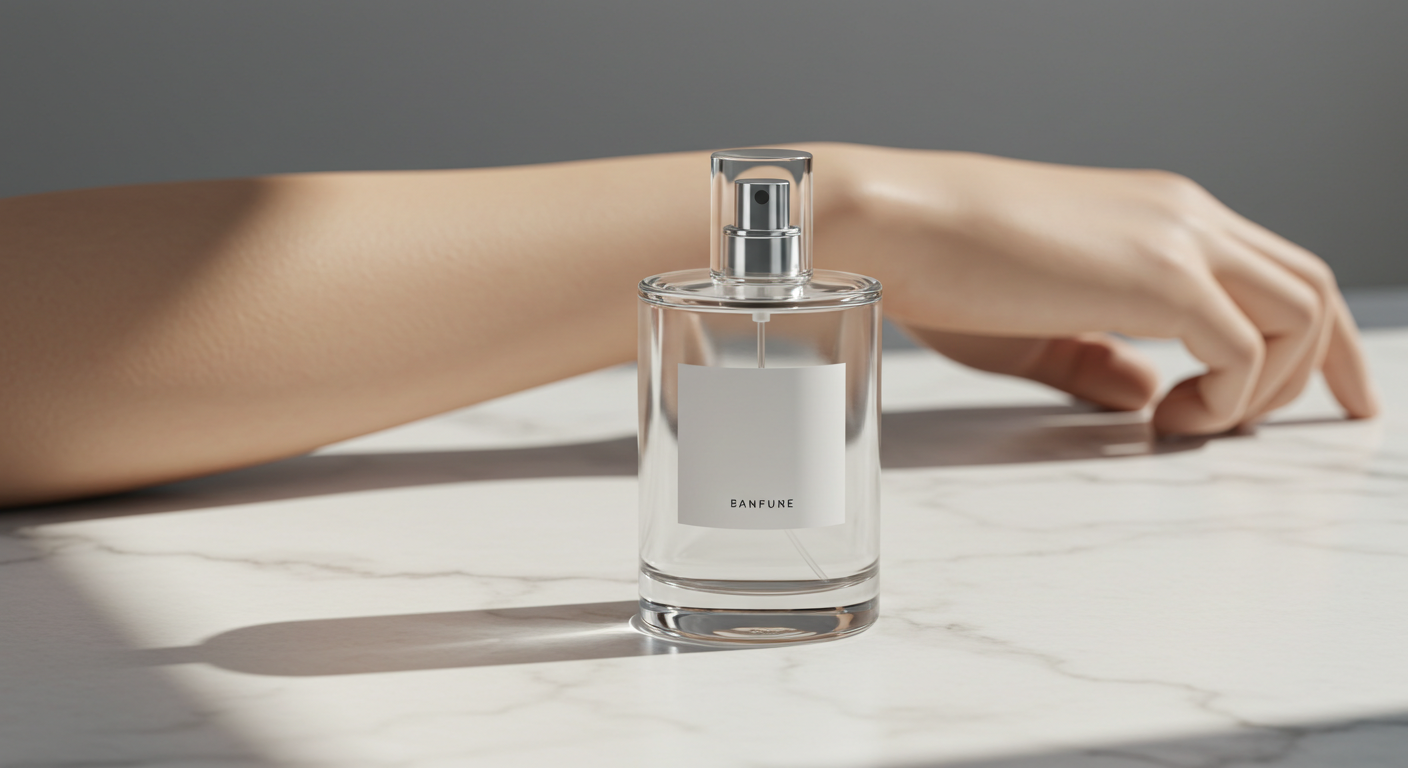
Many fragrance enthusiasts share a common frustration: their favorite scent seems to vanish mere hours after application. If you’ve ever wondered why does my perfume not last as long as you’d like, you’re not alone. The fleeting nature of fragrance can be disappointing, especially when you’ve invested in a signature scent. However, achieving lasting fragrance isn’t just about the quality of the perfume; it’s a blend of understanding its science, preparing your skin, and applying it strategically. This guide provides expert strategies on how to make perfume last longer, transforming a fleeting aroma into an enduring personal signature.
The Science of Scent: Why Fragrance Fades and How to Combat It
Before delving into application techniques, it’s crucial to understand the fundamental reasons behind perfume’s longevity. Fragrance is a complex blend of aromatic compounds, each with its own volatility. When applied to the skin, these molecules evaporate at different rates, creating the top, middle, and base notes. Several factors influence how quickly this evaporation occurs, directly impacting why your perfume might not last as long as you desire.
Understanding Fragrance Concentrations: EDP, EDT, and EDC
One of the primary determinants of a fragrance’s staying power is its concentration. Perfumes are categorized based on the percentage of aromatic compounds (fragrance oils) dissolved in alcohol and water. Understanding these distinctions is key to managing expectations and selecting the right product for your needs. Here’s a breakdown of common perfume concentrations explained:
- Parfum (Extrait de Parfum): This is the most concentrated form, typically containing 20-40% fragrance oils. Due to its high concentration, parfum lasts the longest, often for 6-8 hours or more, and has a rich, deep scent.
- Eau de Parfum (EDP): With 15-20% fragrance oils, EDP is a popular choice, offering a good balance of longevity and projection. It usually lasts for 4-6 hours, making it suitable for daily wear and special occasions.
- Eau de Toilette (EDT): Containing 5-15% fragrance oils, EDT is lighter and fresher. It’s often chosen for daytime wear or warmer climates, lasting approximately 2-4 hours.
- Eau de Cologne (EDC): The lightest concentration, with 2-4% fragrance oils. EDC is refreshing and typically lasts for 1-2 hours, often requiring reapplication.
- Eau Fraîche: Even lighter than EDC, with 1-3% fragrance oils, often with a higher water content. It provides a very brief burst of scent.
Higher concentrations mean more fragrance molecules, which evaporate more slowly, thus extending the scent’s presence on your skin.
Your Skin’s Role: How Skin Type Influences Longevity
Your individual skin chemistry plays a significant role in how long a fragrance lasts. This concept, known as skin type perfume longevity, highlights why a scent might smell and perform differently on various individuals. Generally, fragrance adheres better and lasts longer on well-hydrated, slightly oily skin.
- Oily Skin: Individuals with naturally oily skin often find that fragrances last longer on them. The natural oils on the skin act as a binder, holding onto the fragrance molecules and slowing down their evaporation.
- Dry Skin: Conversely, dry skin tends to absorb fragrance oils more quickly, causing the scent to evaporate faster. Without sufficient natural oils to cling to, the fragrance dissipates rapidly, leading to the common complaint, “why does my perfume not last?”
Understanding your skin type is the first step in optimizing fragrance longevity. For those with drier skin, pre-application hydration becomes even more critical.
Environmental Factors and Volatility
Beyond concentration and skin type, external elements significantly contribute to scent evaporation. Humidity, temperature, and air circulation all play a part. In hot, dry environments, alcohol and fragrance molecules evaporate more quickly. Conversely, in humid conditions, fragrance can sometimes linger longer, as moisture in the air can slow evaporation. Wind and air conditioning can also accelerate the dissipation of scent from your skin. Being aware of these factors can help you adjust your application strategy.
Pre-Application Rituals: Setting the Foundation for Lasting Scent
The secret to making your fragrance endure often begins before you even spray. Preparing your skin correctly creates an optimal canvas, allowing the scent to adhere better and release more slowly. These pre-application rituals are fundamental to learning how to make perfume last longer.
The Hydration Imperative: Why You Must Moisturize Before Perfume
One of the most effective strategies for extending fragrance wear is ensuring your skin is adequately hydrated. This is why experts consistently advise to moisturize before perfume. Dry skin is like a sponge; it quickly absorbs the volatile alcohol and fragrance oils, causing the scent to disappear rapidly. Moisturized skin, however, creates a slightly oily barrier that traps the fragrance molecules, allowing them to evaporate more slowly and steadily throughout the day.
Applying an unscented lotion or cream immediately after showering, while your skin is still slightly damp, is ideal. This locks in moisture and provides a smooth, hydrated surface for your perfume. Think of it as priming your skin, giving the fragrance something substantial to cling to rather than being absorbed and vanishing.
Choosing the Right Base: Unscented vs. Scented Lotions
When selecting a moisturizer to use as a base, careful consideration is key. The primary goal is to provide hydration without clashing with your chosen fragrance. Here are the main approaches:
- Unscented Lotion: This is generally the safest and most recommended option. An unscented body lotion or cream ensures that there are no competing aromas that could alter or diminish your perfume’s intended scent profile. It simply provides the necessary hydration for longevity.
- Matching Scented Lotion: Many fragrance brands offer complementary body lotions, shower gels, and creams that are scented with the same fragrance. Using these products as part of a layering strategy (discussed later) can significantly enhance and extend the overall scent experience, creating a more cohesive and long-lasting aroma.
- Complementary Scented Lotion: If a matching lotion isn’t available, you can opt for a subtly scented lotion that complements your perfume. For example, a vanilla-scented lotion might pair well with a gourmand or oriental fragrance, or a citrus lotion with a fresh, summery scent. Exercise caution here to avoid creating an undesirable mix of aromas.
Regardless of your choice, the act of moisturizing is paramount for maximizing how long your perfume lasts.
Strategic Application: Maximizing Scent Projection and Longevity
Once your skin is prepped, the next step is to apply your fragrance strategically. Where and how you spray can dramatically impact its projection and staying power. These perfume application tips are designed to help you get the most out of every spritz.
Targeting Pulse Points: The Best Places to Apply Perfume
The age-old advice to apply perfume to pulse points is rooted in science. Pulse points are areas on your body where blood vessels are close to the surface of the skin, generating more heat. This warmth helps to diffuse the fragrance throughout the day, allowing it to project more effectively. These are considered the best places to apply perfume for optimal longevity:
- Wrists: A classic spot. Apply to the inside of your wrists, but avoid rubbing them together, as this can crush the fragrance molecules and accelerate their evaporation.
- Neck: The sides and base of the neck are excellent for diffusion, especially as you move.
- Behind the Ears: Another warm area that helps project the scent subtly.
- Décolletage (Chest/Collarbone Area): This area is warm and exposed, allowing the fragrance to rise and create a beautiful sillage (the trail of scent left behind).
- Inner Elbows: Similar to wrists, these are pulse points that can effectively warm and diffuse the scent.
Focusing on these areas ensures that your body’s natural heat works to your advantage, continuously releasing the fragrance.
Beyond the Wrist: Other Key Application Zones
While pulse points are essential, expanding your application zones can further enhance longevity and create a more enveloping scent experience. These additional perfume application tips can help your fragrance linger:
- Behind the Knees: As you walk, the movement and warmth from this area can help project the scent upwards. This is particularly effective for evening wear or when wearing skirts/dresses.
- Hair: Hair strands are porous and can hold onto fragrance exceptionally well. A light mist from a distance, or spraying onto a hairbrush before brushing, can create a long-lasting scent trail. Be cautious not to spray directly onto hair too often, as the alcohol content can be drying.
- Midriff/Navel: The warmth of your torso can help diffuse the scent, and it’s a less exposed area, which can protect the fragrance from rapid evaporation.
Experiment with these areas to find what works best with your body chemistry and preferred scent projection.
The Art of the Spray: Proper Perfume Application Tips
The technique of spraying itself can influence how well your perfume performs. Here are some refined perfume application tips:
- Spray Distance: Hold the bottle about 5-7 inches (12-18 cm) away from your skin. This allows the fragrance to disperse evenly over a wider area, rather than concentrating it in one spot.
- Avoid Rubbing: After spraying, resist the urge to rub your wrists together or rub the applied areas. This friction generates heat, which can break down the fragrance molecules, particularly the delicate top notes, and cause the scent to fade faster. Let the perfume air dry naturally.
- The “Walk-Through” Method (for a lighter application): If you prefer a very subtle application, spray a cloud of fragrance into the air in front of you and then walk through it. This lightly mists your clothing and hair, creating a delicate, all-over scent. While it won’t be as long-lasting as direct skin application, it’s a good option for sensitive noses or very strong perfumes.
- Don’t Over-Spray: While you want your perfume to last, over-spraying can be overwhelming. A few strategic sprays are often more effective than dousing yourself.
Mastering these techniques ensures that each application is optimized for longevity and impact.
Elevating Your Scent Profile: Advanced Longevity Techniques
For those who want to truly maximize their fragrance’s staying power and create a unique scent signature, advanced techniques like layering and clever hacks can make a significant difference. These methods go beyond basic application to build a more robust and enduring aroma, offering true perfume hacks for lasting scent.
The Power of Layering: Fragrance Layering Techniques
Layering is the art of building a fragrance from the ground up, using multiple products with the same or complementary scents. This creates a deeper, more complex, and significantly longer-lasting aroma. Here are effective fragrance layering techniques:
- Matching Products: The simplest form of layering involves using products from the same fragrance line. Start with a scented shower gel, follow with a matching body lotion or cream, and then apply the Eau de Parfum or Parfum. Each layer reinforces the scent, creating a cohesive and enduring fragrance bubble.
- Complementary Scents: For a more advanced approach, you can layer different fragrances or scented products that share common notes or belong to the same fragrance family. For example, a vanilla-scented body oil can be a great base for a spicy oriental perfume, or a citrus body wash can precede a fresh, aquatic fragrance. The key is to ensure the scents harmonize rather than clash.
- Scented Oils: Applying a fragrance-free or complementary scented body oil before your perfume can provide an excellent, long-lasting base. Oils are superb at trapping fragrance molecules.
- Hair Mists: Many brands offer hair mists that are lighter in alcohol content than traditional perfumes, making them safer for hair. These can add another layer of scent that diffuses beautifully with movement.
Layering builds a scent foundation that resists rapid evaporation, ensuring your fragrance stays with you for hours.
Clever Scent Hacks: Perfume Hacks for Lasting Scent
Beyond traditional application and layering, several ingenious tricks can help extend your perfume’s life. These perfume hacks for lasting scent are simple yet effective:
- Spray on Hairbrush: Instead of directly spraying perfume onto your hair, mist your hairbrush a few times and then brush your hair. This evenly distributes the scent without the drying effects of direct alcohol application.
- Scented Clothing: Fabric fibers can hold onto fragrance for a long time. Lightly misting your clothes (from a distance to avoid stains, especially on delicate fabrics) can create a subtle, lingering scent. Always test on an inconspicuous area first.
- Lining Drawers/Closets: Spray tissue paper or cotton balls with your favorite perfume and place them in your dresser drawers or closet. This subtly scents your clothes, providing a gentle base aroma before you even apply perfume to your skin.
- Vaseline/Petroleum Jelly Base: A small dab of unscented petroleum jelly on pulse points before spraying perfume creates an occlusive barrier. The fragrance clings to the jelly, slowing down its evaporation and making it last significantly longer.
- Travel Atomizers: For long days, carry a small travel atomizer filled with your perfume for discreet reapplication as needed.
These creative methods ensure your fragrance makes a lasting impression throughout the day.
Protecting Your Investment: Proper Perfume Storage
The longevity of your perfume isn’t just about how you wear it; it’s also about how you care for it when it’s not in use. Improper storage can degrade the fragrance molecules, altering the scent and significantly shortening its lifespan. Learning how to store perfume correctly is crucial for preserving your investment and ensuring its quality over time, ultimately contributing to how to make perfume last longer on your skin.
The Enemies of Fragrance: Light, Heat, and Air
Fragrance is a delicate chemical composition, highly susceptible to environmental degradation. Three primary factors can quickly diminish the quality and lifespan of your perfumes:
- Light: Both natural sunlight and artificial light can break down fragrance molecules, especially the lighter top and middle notes. This can lead to a change in scent, often making it smell “off” or weaker.
- Heat: Fluctuations in temperature, particularly exposure to high heat, accelerate the chemical reactions within the perfume, causing it to spoil faster. Heat can also evaporate the alcohol content, concentrating the remaining oils and altering the scent profile.
- Air (Oxygen): Once a bottle is opened, oxygen inevitably enters. Over time, oxygen can oxidize the fragrance compounds, leading to a change in scent and a reduction in potency. This process is exacerbated by frequent opening and closing of the bottle.
Understanding these enemies helps you create an optimal environment for your cherished scents.
Optimal Storage Conditions: How to Store Perfume Correctly
To protect your fragrances and ensure they maintain their intended aroma and potency for as long as possible, follow these guidelines on how to store perfume:
- Keep it Cool: Store perfumes in a cool, stable environment. Room temperature (around 60-70°F or 15-21°C) is generally ideal. Avoid placing them near radiators, sunny windows, or in bathrooms where temperature and humidity fluctuate wildly.
- Keep it Dark: Store bottles away from direct light. The original box is often the best place, as it provides protection from both light and minor temperature changes. If you prefer to display your bottles, choose a closed cabinet or drawer.
- Keep it Dry: Humidity is another enemy. The bathroom, while convenient, is one of the worst places to store perfume due to the constant changes in temperature and humidity from showers and baths. A bedroom dresser or closet is a much better choice.
- Keep it Upright: Store bottles upright to prevent leakage and minimize the surface area of the liquid exposed to the air in the atomizer mechanism.
- Original Packaging: Whenever possible, keep your perfumes in their original boxes. This provides an extra layer of protection against light and temperature fluctuations.
By adhering to these storage practices, you can significantly extend the life of your fragrances, ensuring they remain vibrant and true to their original composition.
Making Your Cologne Last Longer: Principles for Men’s Fragrances
While the term “perfume” often conjures images of women’s fragrances, the principles of longevity apply equally to men’s colognes. If you’re looking to make cologne last longer, the same scientific and application strategies are highly effective. Men’s fragrances, often categorized as Eau de Cologne (EDC) or Eau de Toilette (EDT), typically have lower concentrations of fragrance oils, which means maximizing their staying power is even more important.
Applying the Same Rules: How to Make Cologne Last Longer
The advice provided for perfumes—from skin preparation to strategic application and proper storage—is universally applicable. To make cologne last longer, men should:
- Hydrate the Skin: Just like with perfumes, applying an unscented moisturizer to pulse points and other application areas before cologne will create a better base for the fragrance to cling to.
- Target Pulse Points: Apply cologne to warm areas like the neck, wrists, chest, and inner elbows. These areas help project the scent throughout the day.
- Avoid Rubbing: Resist the urge to rub cologne into the skin after application, as this can break down the scent molecules.
- Layering: Utilize matching shower gels, deodorants, and aftershaves from the same fragrance line to build a more robust and enduring scent profile.
- Proper Storage: Store cologne bottles in a cool, dark, dry place, away from direct sunlight and humidity, to preserve their integrity.
These fundamental practices are not gender-specific; they are simply best practices for fragrance wear.
Specific Considerations for Cologne
While the rules are similar, there are a few nuances for colognes:
- Concentration Awareness: Many men’s fragrances are EDTs or EDCs, meaning they naturally have a shorter lifespan than EDPs or Parfums. This might necessitate reapplication throughout the day, especially if you desire continuous projection.
- Application Areas: Men often apply cologne to their chest and neck. While effective, consider adding a spray to the back of the neck or inner elbows for a more subtle, yet persistent, diffusion.
- Post-Shave Application: If using an aftershave balm, ensure it’s unscented or matches your cologne to avoid scent clashes. Applying cologne after the balm can help it adhere better to the hydrated skin.
By applying these principles, men can significantly enhance the longevity and impact of their favorite colognes.
FAQ: Your Questions About Lasting Fragrance Answered
Even with expert advice, common questions about fragrance longevity persist. Here, we address some of the most frequently asked queries to provide further clarity on how to make perfume last longer.
Why does my perfume seem to disappear so quickly?
Several factors contribute to the perception that “why does my perfume not last.” The most common reasons include:
- Skin Type: Dry skin absorbs fragrance faster than oily skin.
- Fragrance Concentration: Lighter concentrations (EDT, EDC) naturally have shorter lifespans.
- Application Method: Rubbing perfume, or applying to unmoisturized skin, can accelerate evaporation.
- Olfactory Fatigue: Your nose can become accustomed to your own scent, making you perceive it as having faded, even when others can still smell it.
- Environmental Factors: Heat, humidity, and air movement can all speed up evaporation.
Addressing these points through proper preparation and application can significantly improve longevity.
Is there a difference in how men and women should apply fragrance for longevity?
Fundamentally, no. The principles for maximizing fragrance longevity are universal. Hydrating the skin, targeting pulse points, avoiding rubbing, and proper storage are effective strategies for everyone. While product types (e.g., “cologne” vs. “perfume”) might differ in concentration, the underlying science of how fragrance interacts with skin and environment remains the same. Therefore, the same perfume application tips apply whether you want to make cologne last longer or extend the wear of an Eau de Parfum.
Can I mix different perfumes or layer them with other scented products?
Yes, you absolutely can, but with an understanding of fragrance layering techniques. Layering can significantly enhance longevity and create a unique scent. The key is to choose complementary scents. Start with lighter, more subtle products (like a body lotion) and build up to the stronger fragrance. You can layer products from the same line, or experiment with different fragrances that share common notes (e.g., a vanilla-based lotion with a gourmand perfume, or a citrus body wash with a fresh, green scent). Always test combinations on a small area first to ensure they harmonize well.
How long should a good perfume typically last on the skin?
The expected longevity varies greatly depending on the perfume concentrations explained earlier, as well as individual skin chemistry and environmental factors. As a general guideline:
- Parfum: 6-8+ hours
- Eau de Parfum (EDP): 4-6 hours
- Eau de Toilette (EDT): 2-4 hours
- Eau de Cologne (EDC): 1-2 hours
These are averages, and a “good” perfume is one that performs within its expected range for its concentration, while also smelling pleasant and evolving beautifully on your skin. With proper application and preparation, you can often push these limits.
Conclusion
Achieving a lasting fragrance experience is not a matter of luck, but a deliberate process. By understanding the science behind scent evaporation, preparing your skin with hydration, employing strategic application techniques, and utilizing advanced layering methods, you can significantly extend the life of your favorite aromas. Furthermore, protecting your fragrance investment through proper storage ensures its integrity over time. Apply these expert tips to enjoy your favorite scents for longer, transforming a fleeting moment into an enduring presence. Mastering how to make perfume last longer allows you to truly savor and project your chosen scent throughout your day.