

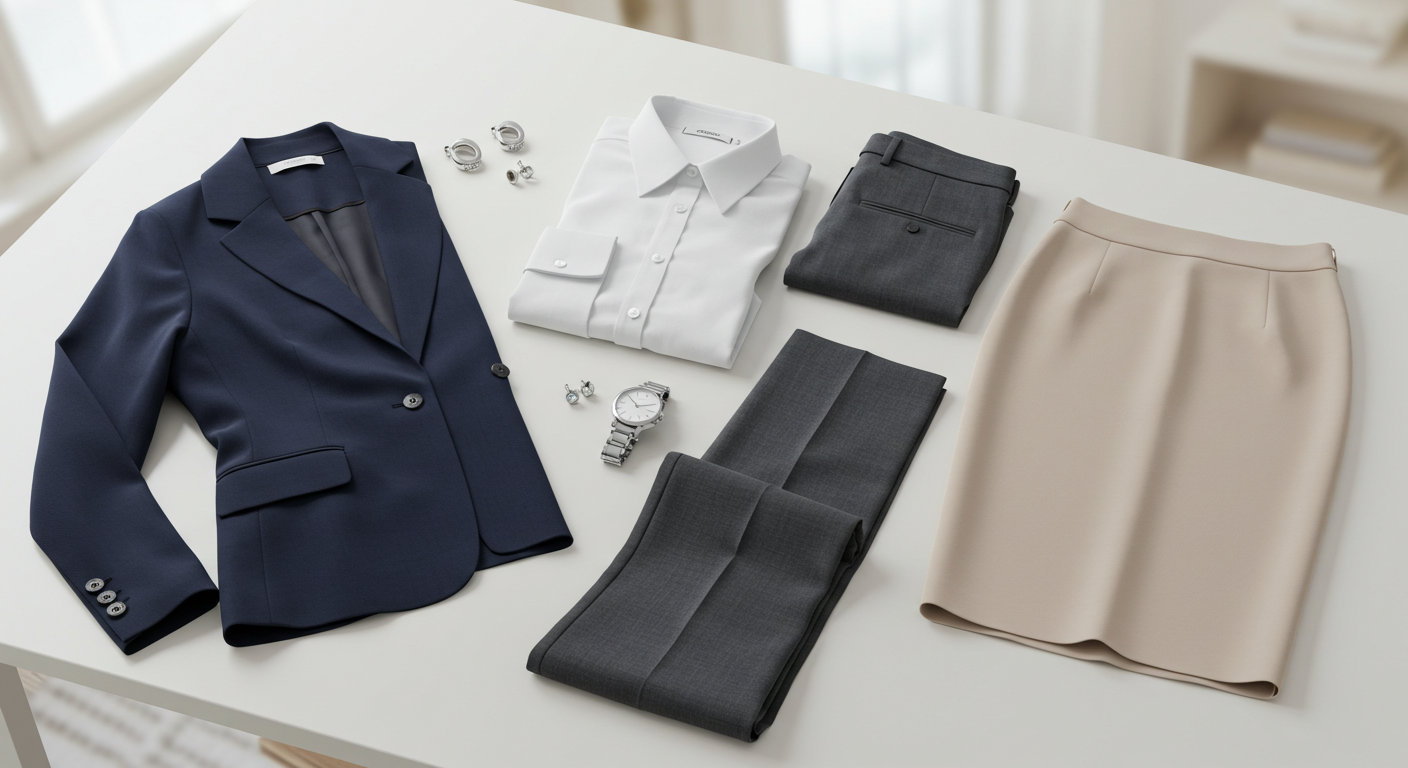
Your professional image extends beyond your skills and experience; it’s also shaped by how you present yourself. Thoughtful office wear styling tips can significantly impact first impressions, boost confidence, and reflect your professionalism. Workplace dress codes have evolved, moving from strictly formal to more flexible options, yet the need for appropriate and polished attire remains constant. Understanding what to wear to work is crucial for navigating these expectations and building a versatile wardrobe that supports your career aspirations.
This guide provides practical advice for both men and women, covering various dress codes, essential wardrobe pieces, and strategies for incorporating comfort and personal style. By focusing on key principles and smart choices, you can cultivate a professional appearance that is both effective and authentic.
Decoding Office Dress Codes: From Professional to Smart Casual
Understanding your workplace’s dress code is the first step in mastering office wear styling tips. Dress codes vary widely, from highly formal environments to more relaxed, creative settings. Knowing the distinctions helps you choose appropriate attire and avoid missteps. Here, we clarify the most common categories, including professional attire men and business casual outfits women, alongside the increasingly popular smart casual office wear.
Professional Attire: The Traditional Standard
Traditional professional attire, often found in legal, financial, or executive settings, demands a high level of formality. For men, this typically means a well-tailored suit in conservative colors like navy, charcoal, or black, paired with a crisp dress shirt, a silk tie, and polished dress shoes. Socks should match trousers or shoes. For women, professional attire includes tailored suits (skirt or pant suits), professional dresses, or coordinated separates like a blazer with a pencil skirt or tailored trousers. Blouses should be modest, and hosiery is often expected with skirts or dresses. Footwear should be closed-toe heels or flats. The emphasis is on classic pieces, impeccable fit, and a conservative aesthetic.
Business Casual Outfits: Balancing Comfort and Formality
Business casual is perhaps the most common dress code today, striking a balance between formal professionalism and everyday comfort. It allows for more flexibility than traditional professional attire while still maintaining a polished appearance. For women, business casual outfits women often include tailored trousers, chinos, skirts (pencil, A-line, or pleated), blouses, knit tops, cardigans, and blazers. Dresses that are not overly formal or casual are also suitable. Footwear can range from loafers, ballet flats, and ankle boots to low heels. For men, business casual typically involves tailored trousers or chinos, dress shirts (button-down or polo), sweaters, and blazers. Ties are usually optional. Loafers, oxfords, or clean, dark leather sneakers can be appropriate footwear. The key is to look neat, put-together, and professional without the full formality of a suit.
Smart Casual Office Wear: Modern and Adaptable
Smart casual office wear represents a more relaxed yet still refined approach to workplace dressing. It blurs the lines between business casual and everyday stylish attire, allowing for more personal expression while maintaining a professional edge. This dress code is common in tech companies, creative agencies, or workplaces with a relaxed culture. For women, smart casual might include stylish blouses, tailored jeans (dark wash, no distressing), fashionable knitwear, midi skirts, and contemporary dresses. Blazers or stylish jackets can elevate the look. For men, smart casual often involves well-fitting dark jeans or chinos, collared shirts (button-downs, polos), stylish sweaters, and casual blazers or sports coats. Footwear can include fashionable sneakers, loafers, or chukka boots. The distinction from business casual often lies in the allowance of more contemporary fabrics, patterns, and slightly less structured garments, provided they remain neat and intentional.
Essential Office Wear Styling Tips for a Polished Look
Regardless of your specific dress code, certain fundamental office wear styling tips apply across the board. These principles form the bedrock of a polished and professional appearance, enhancing any outfit you choose.
The Importance of Fit and Tailoring
Perhaps the most impactful styling tip is ensuring your clothes fit well. Ill-fitting garments, whether too tight or too loose, can detract from even the most expensive attire. A well-tailored suit, a perfectly hemmed pair of trousers, or a blouse that skims your figure appropriately instantly elevates your look. Investing in tailoring for key pieces like blazers, trousers, and skirts is a worthwhile expense. It ensures your clothes flatter your body shape, project confidence, and convey attention to detail, making all your office wear styling tips more effective.
Strategic Color Palettes and Patterns
Choosing the right colors and patterns is vital for professional settings. A foundational palette of neutrals like navy, charcoal, black, white, and beige offers versatility and sophistication. These colors can be easily mixed and matched, forming the core of a functional work wardrobe. Incorporate subtle pops of color through blouses, ties, scarves, or accessories to add personality without overwhelming the professional aesthetic. When it comes to patterns, opt for understated options like pinstripes, subtle checks, houndstooth, or small geometric prints. Bold or overly distracting patterns are generally best avoided in formal office environments. Staying updated on office fashion trends in color and pattern can be done subtly, by integrating a trending shade in an accessory or a classic pattern in a modern cut.
Fabric Choices for Comfort and Professionalism
The fabric of your clothing plays a significant role in both appearance and comfort. For professional wear, look for materials that drape well, resist wrinkles, and are breathable. Wool, cotton, linen blends, and high-quality synthetic blends (like rayon or Tencel) are excellent choices. Wool suits and trousers offer durability and a refined look. Cotton shirts are breathable and crisp. For comfortable office clothes, consider fabrics with a slight stretch, such as wool blends with elastane, or knit fabrics that maintain their shape. Avoiding overly sheer, clingy, or heavily textured fabrics is generally advisable for a professional setting.
Crafting Business Casual Outfits for Women
Building a versatile wardrobe for women’s business casual can be both stylish and practical. The goal is to create looks that are polished, appropriate for various work situations, and comfortable for long days. These office wear styling tips focus on creating adaptable ensembles.
Key Pieces for a Versatile Women’s Work Wardrobe
To master business casual outfits women, focus on foundational pieces that can be mixed and matched. Essential items include:
- Tailored Trousers: In neutral colors like black, navy, grey, and beige. Look for various cuts like straight-leg, slim-fit, or wide-leg.
- Skirts: Pencil skirts, A-line skirts, or pleated midi skirts in professional fabrics.
- Blouses and Shell Tops: A variety of silk, cotton, or synthetic blend blouses in solid colors or subtle patterns. Shell tops are great for layering under blazers.
- Blazers: A well-fitting blazer in navy, black, or a neutral tone is indispensable for instantly elevating an outfit.
- Professional Dresses: Sheath, A-line, or wrap dresses that are knee-length or midi-length.
- Cardigans and Knitwear: Fine-gauge cardigans and sweaters provide warmth and a polished layer.
These pieces form the core of a capsule wardrobe for work, allowing for numerous outfit combinations without needing a vast number of items. Understanding what to wear to work becomes much simpler with a well-curated selection.
Footwear and Accessories to Complete the Look
The right footwear and work appropriate accessories can significantly enhance a business casual outfit. For shoes, consider comfortable yet stylish options like:
- Pumps: Classic low-to-mid heel pumps in black or nude.
- Loafers: Polished leather loafers offer comfort and a sophisticated touch.
- Ballet Flats: A comfortable and chic alternative to heels.
- Ankle Boots: Can be appropriate in cooler weather, especially with trousers or longer skirts.
Accessories should be refined and not overly distracting. A structured handbag or tote, a delicate necklace, stud earrings, or a classic watch can add polish. Scarves can introduce color and texture. The goal is to complement, not overpower, your outfit.
Embracing Comfortable Office Clothes Without Sacrificing Style
Comfort is paramount for productivity. Fortunately, modern design offers many options for comfortable office clothes that don’t compromise on style. Look for:
- Stretch Fabrics: Trousers, skirts, and blazers made with a small percentage of elastane or spandex offer flexibility and ease of movement.
- Knitwear: High-quality knit dresses, skirts, and tops can be incredibly comfortable while looking professional.
- Ergonomic Footwear: Brands now offer stylish shoes with cushioned insoles, arch support, and breathable materials.
- Layering: Use layers like cardigans or light blazers that can be easily added or removed to adapt to changing office temperatures.
Building Professional Attire for Men
For men, building a strong foundation of professional attire involves selecting classic pieces that are versatile and well-fitting. These office wear styling tips help create a sharp, confident image, ensuring you know what to wear to work in various professional settings.
Foundational Elements of a Men’s Professional Wardrobe
A solid professional wardrobe for men is built on quality, classic items that can be mixed and matched. Key pieces for professional attire men include:
- Suits: At least one navy and one charcoal grey suit. A black suit is also useful for more formal occasions.
- Blazers/Sports Coats: A versatile navy blazer is essential. Tweed or patterned sports coats can add variety for business casual.
- Dress Shirts: A selection of white and light blue dress shirts in various weaves (poplin, twill, oxford).
- Tailored Trousers: Wool or wool-blend trousers in grey, navy, and perhaps a subtle pattern.
- Ties: A collection of silk ties in various patterns and widths, suitable for different occasions.
These items are the building blocks of a robust capsule wardrobe for work, allowing for effortless coordination and a consistently polished appearance.
Selecting Appropriate Footwear and Work Appropriate Accessories
Footwear and accessories are critical details that complete a man’s professional look. For shoes, invest in:
- Oxfords: Classic lace-up shoes, essential for suits.
- Derbies: Slightly less formal than oxfords, but still suitable for professional settings.
- Loafers: Penny or tassel loafers can be appropriate for business casual.
- Monk Straps: A stylish alternative to lace-ups.
All shoes should be well-maintained and polished. Belts should match your shoes in color and finish. Other work appropriate accessories include a classic watch, cufflinks (if wearing French cuffs), and a professional briefcase or messenger bag. Avoid overly flashy or casual accessories.
Achieving Comfort in Men’s Office Wear
Comfort in men’s professional and business casual outfits is achieved through careful selection of fabrics and fit. Look for:
- Breathable Fabrics: Natural fibers like wool, cotton, and linen blends allow for better air circulation, especially important for suits and shirts.
- Proper Fit: Ensure suits and shirts are tailored to your measurements, allowing for ease of movement without excess fabric.
- Stretch Components: Some modern suits and trousers incorporate a small percentage of stretch material for added comfort.
- Quality Undergarments: Breathable undershirts can help manage temperature and moisture.
Prioritizing these aspects ensures your comfortable office clothes maintain their professional appearance throughout the day.
The Power of a Capsule Wardrobe for Work
Creating a capsule wardrobe for work is one of the most effective office wear styling tips for efficiency and consistent professionalism. This approach involves curating a limited collection of versatile, interchangeable clothing items that can be mixed and matched to create numerous outfits.
Benefits of a Streamlined Work Wardrobe
A capsule wardrobe offers several advantages:
- Saves Time: Reduces decision fatigue each morning, as all items are designed to work together.
- Reduces Clutter: A smaller, more focused wardrobe means less laundry and easier organization.
- Ensures Consistency: Helps maintain a consistently polished and professional image.
- Cost-Effective: Encourages investment in high-quality, durable pieces rather than numerous trend-driven items.
- Sustainable: Promotes conscious consumption and reduces textile waste.
Building Your Core Work Capsule
To build your core work capsule, start by assessing your workplace’s dress code and your personal style. Select:
- Foundation Pieces: 2-3 blazers/jackets, 2-3 pairs of tailored trousers/skirts, 1-2 professional dresses (for women), 2-3 suits (for men).
- Tops: 5-7 versatile tops (blouses, dress shirts, knit tops) in neutral colors or subtle patterns.
- Outerwear: 1-2 professional coats or jackets suitable for your climate.
- Shoes: 2-3 pairs of appropriate footwear.
- Accessories: A few key accessories like belts, watches, and professional bags.
Focus on quality over quantity, ensuring each item is well-made and fits perfectly. This strategic approach simplifies what to wear to work and ensures you always look your best.
Integrating Office Fashion Trends Thoughtfully
Staying current with office fashion trends can keep your professional wardrobe fresh and modern. However, the key is thoughtful integration, ensuring trends enhance rather than detract from your professional image. These office wear styling tips help you navigate contemporary styles.
Adapting Trends for Professional Environments
Not every trend is suitable for the workplace. When considering new styles, think about:
- Subtle Integration: Instead of adopting a trend head-on, look for ways to incorporate its essence. For example, if oversized blazers are trending, choose one that is still tailored enough for the office.
- Color and Fabric: A trending color can be introduced through a blouse, tie, or accessory. A new fabric texture can be incorporated in a blazer or skirt, provided it maintains a professional look.
- Classic Silhouettes with Modern Details: Opt for classic pieces that feature a contemporary detail, such as a unique button, a subtle pleat, or a slightly updated collar.
The goal is to appear current and stylish without compromising the professionalism required by your role.
Personal Style within Professional Boundaries
Your professional wardrobe doesn’t have to be devoid of personality. Expressing your individual style within professional boundaries is entirely possible. This can be achieved through:
- Accessories: A unique watch, a statement necklace (if appropriate for your workplace), a colorful scarf, or a distinctive pair of glasses can reflect your personality.
- Subtle Patterns or Textures: A patterned shirt, a textured blazer, or a skirt with an interesting weave can add character.
- Fit and Tailoring: Even within classic styles, a perfectly tailored garment that flatters your unique physique speaks volumes about your attention to detail and personal aesthetic.
The balance lies in ensuring your personal touches enhance your professional image rather than distract from it.
Work Appropriate Accessories: The Finishing Touches
Work appropriate accessories are not mere afterthoughts; they are integral to completing and elevating your office wear styling tips. The right accessories can add polish, functionality, and a touch of personal flair.
Bags, Briefcases, and Tech Carriers
Your work bag should be both functional and professional. For women, a structured tote or shoulder bag in leather or a high-quality synthetic material is ideal. For men, a classic leather briefcase, messenger bag, or a sleek laptop bag conveys professionalism. Choose neutral colors like black, brown, or navy that complement most outfits. Ensure the bag is well-maintained and free of excessive wear and tear.
Jewelry, Watches, and Belts
When it comes to jewelry, less is often more in a professional setting. Opt for understated pieces:
- Jewelry: Simple stud earrings, a delicate necklace, or a classic bracelet for women. Avoid overly large, noisy, or flashy items.
- Watches: A classic analog watch with a leather strap or metal bracelet is a timeless choice for both men and women. Smartwatches are also acceptable, provided they are used discreetly.
- Belts: For men, belts should match the color and finish of your shoes. For women, a belt can define the waist of a dress or trousers, adding a polished touch.
These small details contribute significantly to a cohesive and professional appearance.
Prioritizing Comfortable Office Clothes for Productivity
The link between comfort and productivity is undeniable. When you’re physically comfortable, you can focus better on your tasks, maintain a positive attitude, and move with ease throughout your workday. Incorporating comfortable office clothes into your wardrobe is a smart strategy for overall well-being and performance, and a key part of effective office wear styling tips.
Smart Fabric Choices for All-Day Comfort
Selecting fabrics that offer both comfort and a professional appearance is crucial. Look for:
- Natural Fibers: Cotton, wool, linen, and silk are breathable and regulate temperature well. Blends with these fibers often combine their best qualities with added durability or stretch.
- Stretch Blends: Fabrics with a small percentage of elastane or spandex provide flexibility, preventing clothes from feeling restrictive during long periods of sitting or moving.
- Moisture-Wicking Materials: Especially beneficial for undershirts or base layers, these fabrics help manage perspiration, keeping you dry and comfortable.
- Wrinkle-Resistant Fabrics: While not directly comfort-related, wrinkle-resistant materials (like certain wools or synthetic blends) ensure your clothes look fresh all day, reducing the need for constant adjustments.
Ergonomic Footwear for Workplace Well-being
Your feet bear the brunt of your workday, making ergonomic footwear a non-negotiable for long-term comfort and health. Seek out shoes that:
- Provide Arch Support: Essential for maintaining proper foot alignment and reducing strain.
- Offer Cushioning: Absorbs impact and provides comfort, especially if you spend a lot of time standing or walking.
- Have a Stable Heel: If wearing heels, choose block heels or wedges over stilettos for better stability.
- Are Breathable: Materials like leather or mesh allow air circulation, preventing discomfort and odor.
Many brands now specialize in stylish yet supportive professional shoes, proving that you don’t have to sacrifice comfort for a polished look.
Frequently Asked Questions About Office Wear Styling
What is the difference between business casual and smart casual?
The distinction between business casual and smart casual office wear can be subtle. Business casual is generally more structured and traditional, often involving tailored trousers, blazers, dress shirts, and blouses. It’s polished but without the full formality of a suit. Business casual outfits women might include a blazer with a skirt, while men might wear a dress shirt with chinos. Smart casual is a step more relaxed, allowing for more contemporary elements and personal style. It can include dark, well-fitting jeans, stylish knitwear, and fashionable sneakers, provided the overall look remains refined and intentional. The key is that smart casual still aims for a put-together appearance, just with a less formal edge.
How can I make my office clothes more comfortable?
To enhance the comfort of your existing work wardrobe, focus on a few key areas. First, ensure everything fits correctly; clothes that are too tight or too loose will always be uncomfortable. Second, prioritize fabrics with natural stretch or those known for breathability, such as wool blends, cotton, and Tencel. Third, invest in high-quality, supportive footwear. Finally, consider layering with breathable undershirts or light cardigans that can be adjusted throughout the day to manage temperature.
Are jeans ever appropriate for the office?
Whether jeans are appropriate for the office depends entirely on your workplace’s specific dress code and culture. In traditional professional or business casual environments, jeans are generally not suitable. However, in smart casual or creative workplaces, dark-wash, well-fitting jeans without any distressing, rips, or excessive fading can be acceptable. When wearing jeans, pair them with a polished top (e.g., a blazer and a button-down shirt or a stylish blouse) and professional footwear to elevate the look and ensure you still look like you know what to wear to work.
How do I build a work capsule wardrobe on a budget?
Building a capsule wardrobe for work on a budget requires strategic shopping and patience. Start by identifying the core pieces you need and prioritize quality over quantity. Look for sales, shop at outlet stores, or explore reputable second-hand options for designer pieces. Focus on versatile items in neutral colors that can be mixed and matched extensively. Instead of buying many cheap items, save up for one or two high-quality pieces that will last longer. Utilize accessories to refresh outfits without buying new clothing. Finally, take excellent care of your existing garments to extend their lifespan.
Conclusion: Dressing for Success with Confidence and Style
Cultivating a professional image through thoughtful attire is a powerful tool in your career. By applying these office wear styling tips, you can confidently navigate various dress codes, from traditional professional settings to more relaxed smart casual environments. Understanding what to wear to work involves more than just following rules; it’s about making strategic choices that reflect your professionalism, enhance your comfort, and express your personal brand.
Investing in well-fitting, versatile pieces, prioritizing quality fabrics, and selecting appropriate accessories are all crucial steps. Whether you’re building a comprehensive capsule wardrobe for work or simply refining your current selection, remember that your clothing should empower you. When you feel good in what you wear, your confidence shines through, allowing you to focus on your contributions and excel in your professional endeavors.