

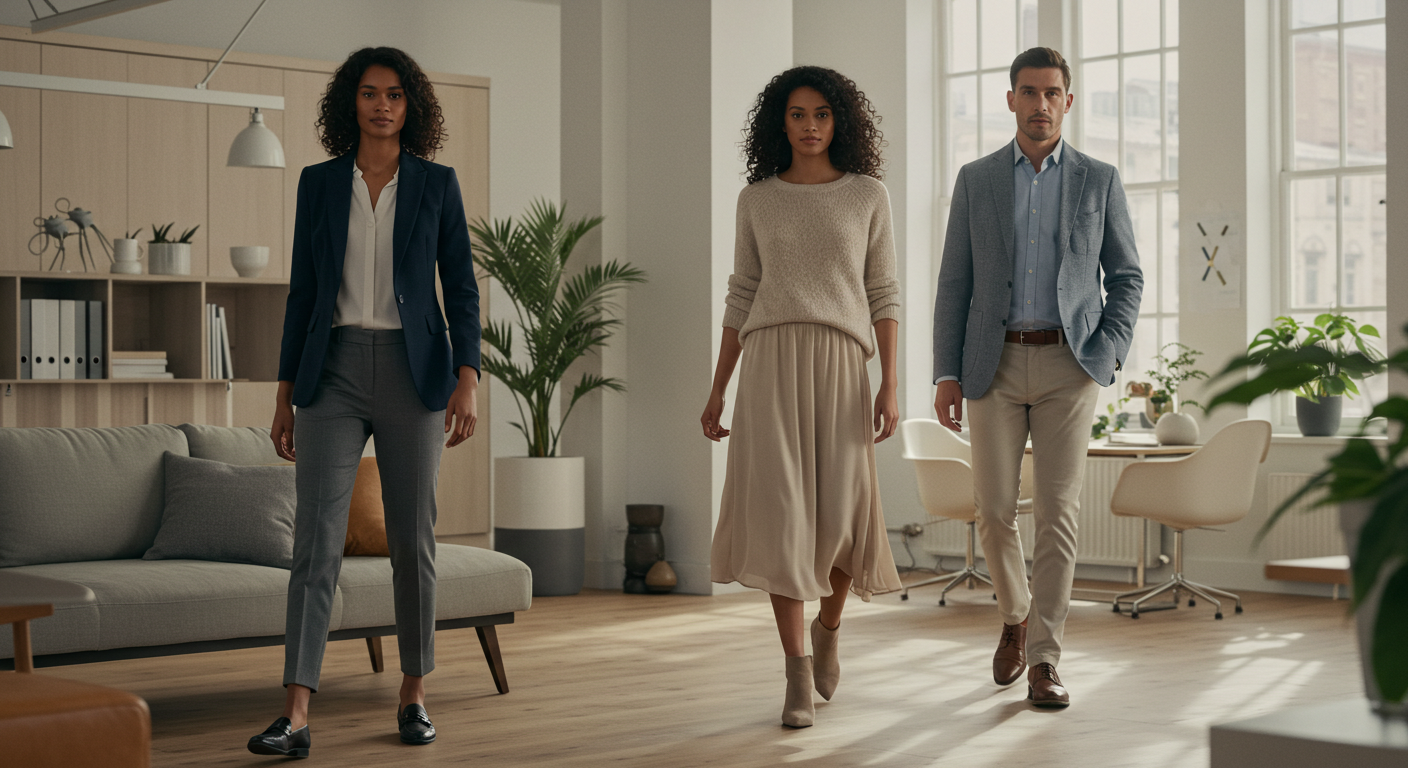
The modern workplace has seen a significant shift in dress codes, moving away from rigid formality towards a more adaptable and comfortable approach. This evolution has firmly established business casual as a prevalent standard across many industries. Understanding and executing effective Business Casual Outfit Ideas is no longer just about following rules; it’s about projecting professionalism, confidence, and personal style while maintaining comfort throughout your workday.
This article serves as your definitive resource for navigating the nuances of business casual attire. We will explore what this dress code truly entails, differentiate it from similar styles, and provide specific, actionable guidance for both men and women. From foundational pieces to seasonal adaptations and crucial accessories, our aim is to equip you with the knowledge to curate a versatile and impeccable business casual wardrobe for any professional setting.
Understanding the Business Casual Dress Code: What It Truly Means
The term business casual dress code often sparks confusion, sitting somewhere between formal business attire and everyday casual wear. At its core, what is business casual? It represents a balance of professionalism and comfort, allowing for a more relaxed aesthetic than traditional suits while still conveying competence and respect for the work environment. It typically means avoiding denim (unless specified as dark wash and tailored), t-shirts, athletic wear, and overly revealing clothing, in favor of polished, well-fitting garments.
Decoding the Dress Code: Key Characteristics of Business Casual
To effectively adhere to a business casual dress code, consider garments that are neat, clean, and well-maintained. Fabrics should generally be structured or refined, such as cotton, wool, silk, linen blends, or quality synthetics. Colors tend to be muted or classic – think neutrals like black, navy, grey, beige, white, and pastels, though subtle patterns are often acceptable. The overall presentation should be tidy and intentional, not haphazard.
Acceptable items typically include tailored trousers, chinos, skirts (pencil, A-line), professional dresses, button-down shirts, blouses, sweaters, cardigans, and blazers. Unacceptable items usually encompass shorts, flip-flops, athletic sneakers, distressed jeans, graphic t-shirts, hoodies, and anything overly revealing or sloppy.
Smart Casual vs. Business Casual: Understanding the Nuance
The distinction between smart casual vs business casual is subtle but significant. While both are less formal than traditional business attire, business casual leans more towards a conventional office environment, prioritizing a polished and professional appearance. It often implies a slightly more structured and conservative approach.
Smart casual, on the other hand, allows for greater personal expression and can be more relaxed. It might include stylish jeans (dark wash, no distress), fashionable sneakers, or trendier tops, provided they are still neat and presentable. The context is key: a creative agency might embrace smart casual, while a law firm would likely expect business casual. Business casual maintains a clear line of professionalism, whereas smart casual offers more flexibility in style and comfort.
Essential Business Casual Outfit Ideas for Women
Building a strong foundation of business casual women‘s attire involves selecting versatile pieces that can be mixed and matched to create numerous polished looks. Thoughtful Business Casual Outfit Ideas emphasize both style and functionality.
Foundation Pieces: Trousers, Skirts, and Dresses
- Tailored Trousers: Opt for well-fitting trousers in wool blends, cotton twill, or ponte knit. Classic colors like black, navy, charcoal, and beige are essential. Styles can range from slim-fit to wide-leg, as long as they are pressed and professional.
- Pencil Skirts: A timeless choice, pencil skirts in knee-length or midi-length offer a sleek silhouette. Materials like wool, tweed, or ponte are excellent.
- A-Line Skirts: These provide a comfortable and flattering option, particularly in midi lengths. Look for structured fabrics that hold their shape.
- Professional Dresses: Sheath, A-line, or wrap dresses in solid colors or subtle patterns are ideal. Ensure the length is appropriate (knee-length or longer) and the neckline is modest. Layering with a blazer or cardigan can enhance professionalism.
Top Layers: Blouses, Sweaters, and Blazers
- Blouses: Silk, satin, cotton, or crepe blouses in solid colors, subtle prints, or classic stripes are perfect. Ensure they are opaque and well-fitting.
- Knit Sweaters: Fine-gauge knit sweaters in merino wool, cashmere, or cotton blends add warmth and polish. Crewneck, V-neck, or turtleneck styles are all suitable.
- Cardigans: A versatile layering piece, cardigans can be worn over blouses or dresses. Choose fine-gauge knits in complementary colors.
- Structured Blazers: A well-tailored blazer instantly elevates any outfit. Navy, black, grey, or a subtle plaid blazer are indispensable for a professional look.
Footwear and Accessories: Polishing the Look
Selecting appropriate business casual shoes is crucial for completing a professional ensemble. For business casual women, options include:
- Loafers: Classic and comfortable, leather loafers are a staple.
- Pumps: Low to medium-heeled pumps in neutral colors add sophistication.
- Block Heels: A comfortable alternative to stilettos, block heels offer stability and style.
- Stylish Flats: Ballet flats, pointed-toe flats, or d’Orsay flats can be professional if they are clean and well-maintained.
- Boots: Ankle boots with a modest heel can be appropriate in cooler weather, paired with trousers or skirts.
Accessories should be understated and refined. A structured handbag, delicate jewelry, and a professional watch enhance the overall presentation. Scarves can add a touch of color and elegance.
Summer Adaptations: Staying Professional in Warm Weather
Creating effective business casual summer outfits for women involves choosing breathable fabrics and lighter colors without sacrificing professionalism. Opt for:
- Linen or Cotton Blends: Trousers, skirts, and blazers in these materials offer comfort.
- Sleeveless Blouses or Shell Tops: Pair these with a light cardigan or blazer for meetings.
- Lighter Colors: White, pastels, and light neutrals reflect heat.
- Open-Toe Heels or Wedges: Professional styles are acceptable, but avoid flip-flops or overly casual sandals.
Essential Business Casual Outfit Ideas for Men
For business casual men, the goal is to project a polished yet approachable image. Thoughtful Business Casual Outfit Ideas combine comfort with a professional aesthetic.
Core Components: Trousers, Chinos, and Shirts
- Tailored Trousers: Wool or wool-blend dress trousers in charcoal, navy, or grey are foundational. Ensure a proper fit – neither too baggy nor too tight.
- Chinos: A versatile alternative, chinos in khaki, navy, olive, or grey offer a slightly more relaxed but still professional look. They should be clean, pressed, and well-fitting.
- Dark Wash Jeans: In some more relaxed business casual environments, dark wash, non-distressed jeans without rips or fading can be acceptable, especially when paired with a blazer and dress shirt. Always check company policy.
- Button-Down Shirts: Long-sleeved button-down shirts in cotton or linen blends are a cornerstone. Solid colors, subtle stripes, or gingham patterns are excellent choices.
- Polo Shirts: A high-quality, well-fitting polo shirt in a solid color can be appropriate, especially in warmer weather or more relaxed settings.
- Fine-Gauge Knitwear: Sweaters (crewneck, V-neck) in merino wool, cashmere, or cotton can be worn over a collared shirt or on their own.
Layering Options: Sweaters, Cardigans, and Sport Coats
Layering adds depth and professionalism to business casual men‘s attire:
- Sweaters: As mentioned, fine-gauge sweaters are excellent.
- Cardigans: A well-fitting cardigan over a button-down shirt or polo can provide warmth and a sophisticated touch.
- Sport Coats/Blazers: An essential item. A navy, grey, or tweed sport coat instantly elevates an outfit, making it suitable for more formal business casual occasions.
Footwear and Accessories: The Finishing Touches
Appropriate business casual shoes are vital for men. Options include:
- Loafers: Penny loafers or tassel loafers in leather or suede are classic choices.
- Oxfords/Derbies: While traditionally more formal, plain-toe or cap-toe oxfords/derbies in brown or black leather can seamlessly integrate into business casual.
- Chelsea Boots: A stylish and comfortable option for cooler weather.
- Clean, Minimalist Sneakers: In some modern, relaxed environments, clean leather sneakers (e.g., white, black) can be acceptable when paired with chinos and a button-down, but this requires careful judgment.
Accessories like a quality leather belt that matches your shoes, a professional watch, and a neat tie (optional, but can elevate a look) complete the ensemble.
Summer Adaptations: Maintaining Comfort and Style
For business casual summer outfits for men, focus on lighter fabrics and colors:
- Linen or Seersucker: Trousers, shirts, and blazers in these materials are breathable.
- Short-Sleeved Button-Downs: Ensure they are tailored and not overly casual.
- Lighter Chinos: Khaki, light grey, or stone colors.
- Loafers or Boat Shoes: Worn with no-show socks for comfort.
Crafting Business Casual for Specific Scenarios
The versatility of Business Casual Outfit Ideas means they can be adapted for various professional contexts. Understanding the specific scenario helps tailor your look appropriately.
The Interview: Making a Strong First Impression
When selecting a business casual interview outfit, it’s always safer to err on the side of slightly more formal. Even if the company culture is known to be relaxed, an interview is a critical first impression. For women, a tailored dress or a blazer with tailored trousers/skirt and a professional blouse is recommended. For men, a sport coat over a button-down shirt with tailored trousers or neat chinos, paired with dress shoes, conveys seriousness and respect. Avoid anything too trendy or overly casual for an interview.
Daily Office Wear: Practicality Meets Professionalism
For everyday business casual for work, the emphasis shifts slightly towards comfort and practicality without compromising professionalism. This means choosing durable fabrics, comfortable shoes, and outfits that allow for ease of movement throughout the day. Mix and match your core pieces to create varied looks. For instance, a blazer might be optional on a regular Tuesday but essential for a team meeting. Focus on well-maintained garments that can withstand regular wear.
Client Meetings and Presentations: Elevating Your Look
When interacting with clients or giving presentations, it’s wise to elevate your standard business casual for work attire. This often means adding a blazer if you weren’t already wearing one, opting for more structured fabrics, and ensuring your shoes are impeccably polished. For women, a more formal blouse or a structured dress might be appropriate. For men, a tie might be considered to add an extra layer of polish, depending on the client and industry. The goal is to project maximum credibility and attention to detail.
Common Business Casual Pitfalls to Avoid
While the business casual dress code offers flexibility, certain missteps can undermine your professional image. Avoiding these common pitfalls is as important as knowing what to wear.
Overly Casual Items: Knowing What to Exclude
A frequent mistake when interpreting what is business casual is including items that are simply too informal for a professional setting. This includes:
- T-shirts: Especially graphic tees or worn-out plain tees.
- Athletic Wear: Hoodies, sweatpants, athletic shorts, or performance sneakers.
- Distressed Denim: Jeans with rips, tears, or excessive fading.
- Flip-flops or Casual Sandals: Open-toed shoes should be professional and polished.
- Shorts: Generally not appropriate for business casual, regardless of tailoring.
- Mini-skirts or overly revealing clothing: Maintain modesty and professionalism.
Ill-Fitting Garments: The Importance of Tailoring
Even the most expensive clothing can look unprofessional if it doesn’t fit correctly. Ill-fitting garments, whether too baggy or too tight, detract from a polished appearance and can make you look sloppy or uncomfortable. Investing in minor alterations for your trousers, blazers, and shirts can significantly enhance your adherence to the business casual dress code. Proper fit conveys attention to detail and respect for your professional image.
Neglecting Footwear and Grooming: The Details Matter
Your choice of business casual shoes and overall grooming are critical components that often get overlooked. Scuffed shoes, worn-out heels, or overly casual footwear can instantly downgrade an otherwise appropriate outfit. Ensure your shoes are clean, polished, and in good repair. Similarly, meticulous grooming – including neat hair, clean nails, and appropriate hygiene – is non-negotiable. These details collectively contribute to a complete and professional business casual look.
Frequently Asked Questions About Business Casual Attire
Can jeans be business casual?
In some modern, relaxed environments, dark wash, non-distressed jeans without rips or fading can be considered business casual, especially when paired with a blazer or a collared shirt. However, this varies significantly by company culture and industry. Always observe what others wear or check with HR if unsure. For more conservative settings, it’s best to stick to tailored trousers or chinos.
What colors are best for business casual?
Neutral colors like black, navy, grey, charcoal, white, and beige are always safe and versatile choices. Pastels and muted tones (e.g., olive green, burgundy, dusty blue) can also be incorporated. Subtle patterns like pinstripes, gingham, or small checks are generally acceptable. Avoid overly bright, neon, or distracting colors and patterns.
How do I dress business casual on a budget?
Focus on quality over quantity. Invest in a few versatile core pieces like well-fitting trousers, a classic blazer, and several neutral blouses or button-down shirts. Shop sales, consider consignment stores, or look for durable fabrics that will last. Mix and match pieces to create multiple outfits. Pay attention to fit and maintenance, as well-cared-for, properly fitting clothes always look more expensive.
Is a blazer always necessary for business casual?
A blazer is not always strictly necessary, but it is a powerful tool for elevating a business casual look, especially for meetings, presentations, or interviews. For daily office wear, a fine-gauge cardigan or a polished sweater might suffice. However, having at least one well-fitting blazer is highly recommended for those occasions when you need to project extra authority or polish.
What about accessories for business casual?
Accessories should be understated and professional. For women, this means delicate jewelry, a professional handbag, and a watch. For men, a quality leather belt (matching shoes), a watch, and perhaps a subtle tie (optional) are appropriate. Avoid overly flashy, noisy, or distracting accessories.
Mastering Your Business Casual Style: Confidence Through Appropriate Attire
Cultivating a strong business casual wardrobe is an investment in your professional image and comfort. By understanding the core principles of the business casual dress code, differentiating it from smart casual, and applying specific guidance for both men and women, you can confidently assemble a range of effective Business Casual Outfit Ideas.
Remember that context is paramount. What works for daily office wear might need a slight elevation for client meetings or a more conservative approach for an interview. Pay close attention to fit, fabric quality, and the crucial details of footwear and grooming. With these insights, you are well-equipped to build a versatile, professional, and stylish business casual wardrobe that empowers you to look and feel your best in any professional setting.