

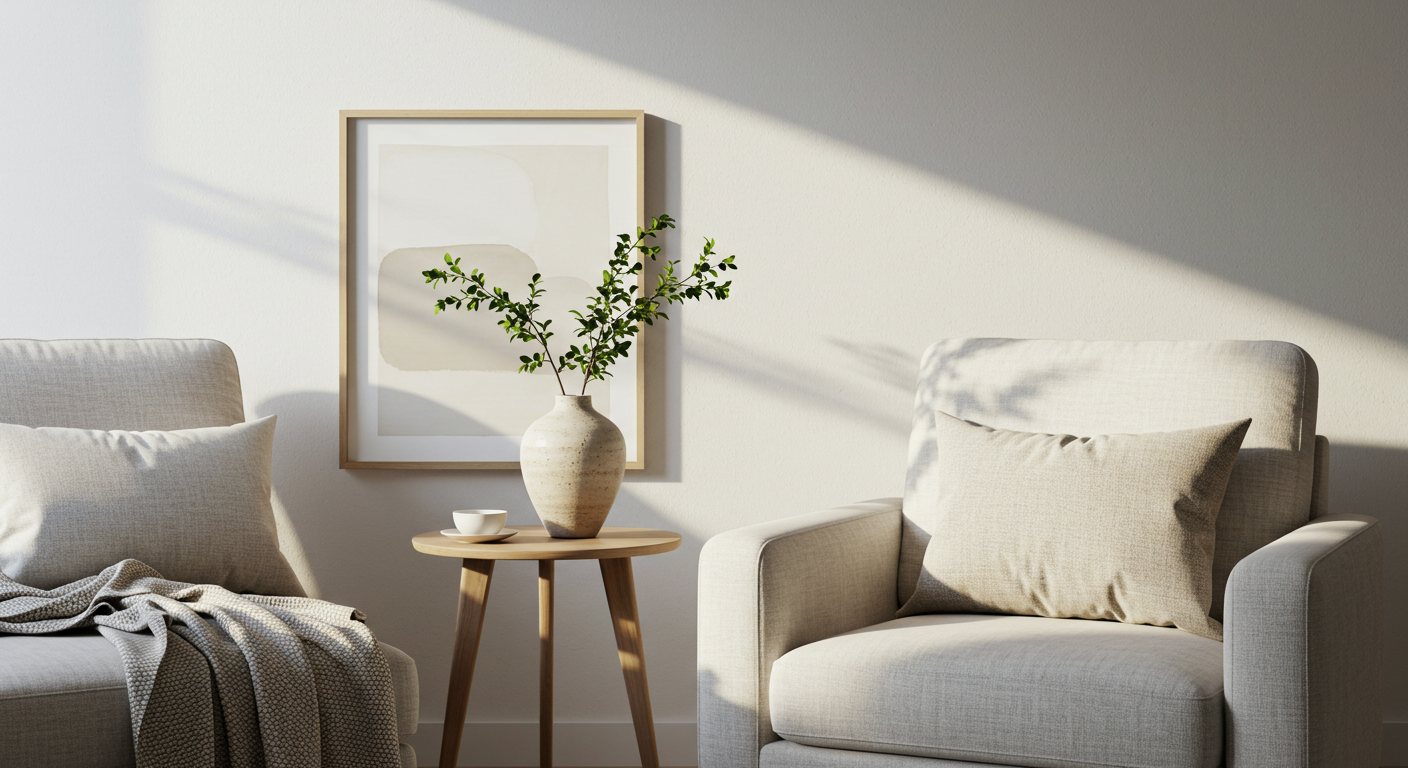
The way we arrange and adorn our living spaces profoundly influences our daily lives. Thoughtful decor transforms a mere structure into a home, reflecting personality, fostering comfort, and enhancing functionality. It’s an art form that blends aesthetics with practicality, creating environments that support our well-being and aspirations. This article explores the foundational principles of decor, offering expert guidance on various home decor ideas, from defining your personal style to optimizing specific rooms and managing budgets. We’ll delve into strategies for key areas like the living room and bedroom, tackle challenges of small spaces, and examine the impact of elements like wall treatments and contemporary styles, ensuring you have the tools to craft spaces that truly resonate with you.
Crafting Your Ideal Space: Essential Decor Principles
Successful decor begins with a clear understanding of fundamental principles. It’s not merely about selecting attractive items; it’s about orchestrating elements to create a harmonious and functional environment. Learning how to decorate effectively involves a blend of artistic vision and practical planning, ensuring every choice contributes to the overall success of your space.
Defining Your Personal Aesthetic: The Starting Point for Home Decor Ideas
Before selecting a single piece of furniture or paint color, understanding your personal style is paramount. Your aesthetic decor acts as the compass for all subsequent decisions, ensuring cohesion and authenticity. Begin by gathering inspiration from various sources: travel experiences, fashion, art, nature, and even other homes you admire. Create a digital or physical mood board, collecting images, fabric swatches, and color palettes that evoke the feeling you want in your home. Pay attention to recurring themes, textures, and colors. Do you gravitate towards minimalist lines, rustic warmth, vibrant patterns, or serene neutrals? Identifying these preferences is the crucial first step in developing cohesive home decor ideas that genuinely reflect who you are.
Function Meets Form: Practical Considerations in Decor Planning
While aesthetics are vital, the most beautiful space is ineffective if it doesn’t serve its purpose. Practicality is a cornerstone of good decor. When considering how to decorate, prioritize functionality. This involves meticulous space planning: measuring rooms, understanding traffic flow, and mapping out furniture arrangements before making purchases. Consider how each room will be used and by whom. Will the sofa accommodate family movie nights? Is there enough storage for everyday items? Every decor choice, from a large sectional to a small accent table, should contribute to the room’s utility, ensuring comfort and ease of movement. A well-planned space feels intuitive and effortless, making daily life more enjoyable.
Transforming Key Areas: Living Room and Bedroom Decor Strategies
Certain rooms hold particular significance in a home, serving as central hubs for activity or private retreats for rest. Applying specific decor strategies to these areas can dramatically enhance their appeal and functionality. Focusing on living room decor and bedroom decor allows for tailored approaches that maximize comfort and style.
Inviting Comfort: Expert Living Room Decor Tips
The living room often serves as the heart of the home, a place for relaxation, entertainment, and gathering. Effective living room decor balances comfort with visual appeal. Start with furniture selection and placement, ensuring pieces are appropriately scaled for the room and arranged to facilitate conversation and movement. Create a focal point, such as a fireplace, a large window, or a striking piece of art, and arrange seating around it. Layered lighting is crucial; combine ambient, task, and accent lighting to create warmth and flexibility. Incorporate textiles like throws, cushions, and rugs to add texture, color, and softness, making the space feel more inviting. These home decor ideas transform a functional space into a welcoming sanctuary.
Creating Your Sanctuary: Thoughtful Bedroom Decor
A bedroom should be a personal sanctuary, promoting rest and rejuvenation. Bedroom decor should prioritize comfort, tranquility, and personal expression. Begin with a calming color palette, opting for soft neutrals, cool blues, or gentle greens that encourage relaxation. The bed is the focal point; invest in quality bedding, layering textures with duvets, quilts, and pillows for an opulent feel. Effective storage solutions are essential to maintain a clutter-free environment, which contributes to a peaceful atmosphere. Incorporate personal touches like cherished photographs, meaningful artwork, or a comfortable reading nook to infuse your unique personality and create a truly serene and personalized aesthetic decor.
Maximizing Impact: Clever Decor for Unique Spaces and Budgets
Not every home offers expansive rooms or unlimited funds. Many individuals face the challenge of decorating smaller spaces or adhering to strict budgets. Fortunately, ingenious decor solutions exist for both scenarios, proving that style and functionality are achievable regardless of constraints. Whether it’s small apartment decor or finding creative budget decor ideas, smart planning makes a significant difference.
Ingenious Solutions for Small Apartment Decor
Decorating a small apartment requires strategic thinking to maximize every square foot. For effective small apartment decor, prioritize multi-functional furniture: a sofa bed, an ottoman with storage, or a dining table that folds down. Utilize vertical space by installing tall bookshelves, wall-mounted shelving, or floating desks. Strategic use of mirrors can dramatically expand a room visually by reflecting light and creating an illusion of depth. Decluttering is not just an organizational task; it’s a fundamental decor principle for small spaces. Regularly purge unnecessary items to maintain an open, airy feel. Learning how to decorate a compact area involves creativity and discipline, turning limitations into opportunities for clever design.
Stylish Living on a Shoestring: Practical Budget Decor Ideas
Achieving a stylish home doesn’t require a large financial outlay. Many impactful budget decor ideas focus on resourcefulness and creativity. DIY projects, such as painting old furniture, creating your own artwork, or crafting decorative items, can add unique character without significant cost. Thrifting at second-hand stores, flea markets, or online marketplaces can yield unique, high-quality finds that add personality and history to your space. Repurposing existing items, like using an old ladder as a bookshelf or vintage crates as storage, offers both charm and utility. Finally, make strategic splurges on items that offer the most visual impact or functional benefit, such as a statement rug or a comfortable armchair, while saving on less critical elements. These home decor ideas prove that good design is accessible to everyone.
Beyond the Basics: Wall Decor and Contemporary Styles
Once the foundational elements are in place, attention can turn to specific details that elevate a space. Wall decor plays a significant role in defining a room’s character, while understanding contemporary aesthetics like modern decor allows for a cohesive and current look.
Making a Statement: Creative Wall Decor Techniques
Walls are often overlooked canvases with immense potential to enhance a room’s decor. Creative wall decor techniques can transform a bland surface into a focal point. Consider creating a gallery wall with a curated collection of art, photographs, and mirrors, arranged in a thoughtful composition. Large-scale art pieces can make a dramatic statement, anchoring a room with their presence. Incorporating shelving not only adds visual interest but also provides practical display space for books and decorative objects. Textured finishes, such as wallpaper, wood panels, or even a strategically painted accent wall, can add depth and warmth. Mirrors, beyond their function in small spaces, can also serve as decorative elements, reflecting light and adding architectural interest.
Embracing Contemporary Aesthetics: Modern Decor Trends
Modern decor is characterized by its emphasis on clean lines, functionality, and a minimalist approach. This aesthetic often features a neutral color palette, allowing textures and forms to take center stage. Natural materials like wood, stone, and metal are frequently incorporated, adding warmth and organic appeal. Furniture tends to be sleek, uncluttered, and often multi-functional. The integration of smart home technology, while subtle, is also a hallmark of contemporary living, blending seamlessly into the design. Achieving a cohesive modern decor aesthetic involves careful curation, focusing on quality over quantity, and ensuring every element serves a purpose while contributing to an overall sense of calm and sophistication.
The Finer Details: Accessories and Personalizing Your Decor
The true magic of decor often lies in the details. Accessories and personal touches are what transform a well-designed room into a truly lived-in and loved space. These elements allow you to infuse your personality and create an inviting atmosphere, making your home decor ideas uniquely yours.
Curating Your Collection: Selecting Decor Accents
Decorative objects, plants, throws, and cushions are the finishing touches that bring a room to life. When selecting decor accents, consider how they complement the overall color scheme, style, and scale of the room. Choose items that resonate with you personally, whether they are travel souvenirs, handcrafted pieces, or items with sentimental value. Plants add a touch of nature, improving air quality and bringing vibrancy. Throws and cushions offer opportunities to introduce color, pattern, and texture, enhancing comfort and visual interest. The goal is to curate a collection that feels authentic and contributes to the desired aesthetic decor, rather than simply filling space.
Lighting and Textiles: Enhancing Ambiance and Comfort
The strategic use of lighting and textiles is fundamental to creating the desired ambiance and comfort in any room’s decor. Layered lighting—combining overhead fixtures, floor lamps, and table lamps—allows for flexible illumination that can adapt to different moods and activities. Dimmers are invaluable for adjusting intensity. Rugs define spaces, add warmth, absorb sound, and introduce color and pattern. When choosing a rug, consider its size relative to the room and furniture, ensuring it grounds the space effectively. Curtain styles, from sheer drapes to blackout blinds, control light, provide privacy, and add a soft, finished look to windows. These elements are crucial for completing your home decor ideas and enhancing the overall feel of your living room decor and other spaces.
Your Decor Questions Answered
Navigating the world of decor can sometimes raise questions. Here are answers to some common inquiries, offering expert advice to guide your decorating journey and help you understand how to decorate with confidence.
What are the most common decor mistakes to avoid?
One frequent mistake in decor is neglecting scale and proportion; furniture that is too large or too small for a room can make the space feel awkward. Another common pitfall is a lack of a cohesive style, resulting in a mismatched or chaotic look. Over-decorating, or cluttering a space with too many items, can also detract from its appeal. Finally, underestimating the importance of lighting is a significant error; poor lighting can make even the most beautifully decorated room feel uninviting. Thoughtful planning can prevent these issues.
How often should I update my home decor?
There’s no strict timeline for updating your home decor. Major updates, like painting or furniture replacement, might occur every 5-10 years, or as your lifestyle changes. However, smaller refreshes can happen more frequently. Swapping out cushions, throws, or artwork seasonally, or introducing new plants, can provide a fresh look without a complete overhaul. The key is to update when a space no longer feels functional, inspiring, or reflective of your current style.
Can I mix different decor styles effectively?
Absolutely. Mixing different decor styles can create a unique and personalized space, but it requires a thoughtful approach. The secret to successful blending, often referred to as eclectic aesthetic decor, lies in finding common threads—whether it’s a consistent color palette, similar textures, or a unifying theme. For example, pairing a vintage piece with modern decor can add character, but ensure there’s a balance in form or color to prevent visual discord. Focus on creating harmony rather than strict adherence to one style.
Where can I find inspiration for my decor projects?
Inspiration for home decor ideas is abundant. Design magazines and books offer curated looks and professional insights. Online platforms like Pinterest, Instagram, and dedicated design blogs provide endless visual ideas. Nature itself is a powerful source of color palettes and organic forms. Travel experiences can expose you to diverse architectural styles and cultural aesthetics. Even a simple walk through a well-designed public space or a friend’s home can spark new ideas for your own decor projects.
What’s the first step when I want to redecorate a room?
The very first step when you want to redecorate a room is to define its purpose and your desired feeling for the space. Ask yourself: What activities will happen here? How do I want to feel when I’m in this room? Once you have a clear vision for the room’s function and mood, you can then move on to gathering inspiration, creating a mood board, and planning your layout. This foundational understanding is crucial for learning how to decorate effectively and ensures your efforts are aligned with your goals.
Crafting Your Perfect Environment Through Thoughtful Decor
The journey of creating a home that truly reflects you is a rewarding one, driven by thoughtful decor choices. From understanding your personal aesthetic to strategically arranging furniture and selecting the perfect accents, every decision contributes to the overall feel and functionality of your space. We’ve explored a range of home decor ideas, from optimizing specific rooms like the living room and bedroom, to clever solutions for small apartments and budget-friendly approaches. Remember that decor is an ongoing process of evolution and personalization. Experiment with different styles, trust your instincts, and allow your home to be a dynamic canvas that grows and changes with you. Ultimately, the goal is to create environments that not only look appealing but also enhance your daily life and provide a genuine sense of belonging.