

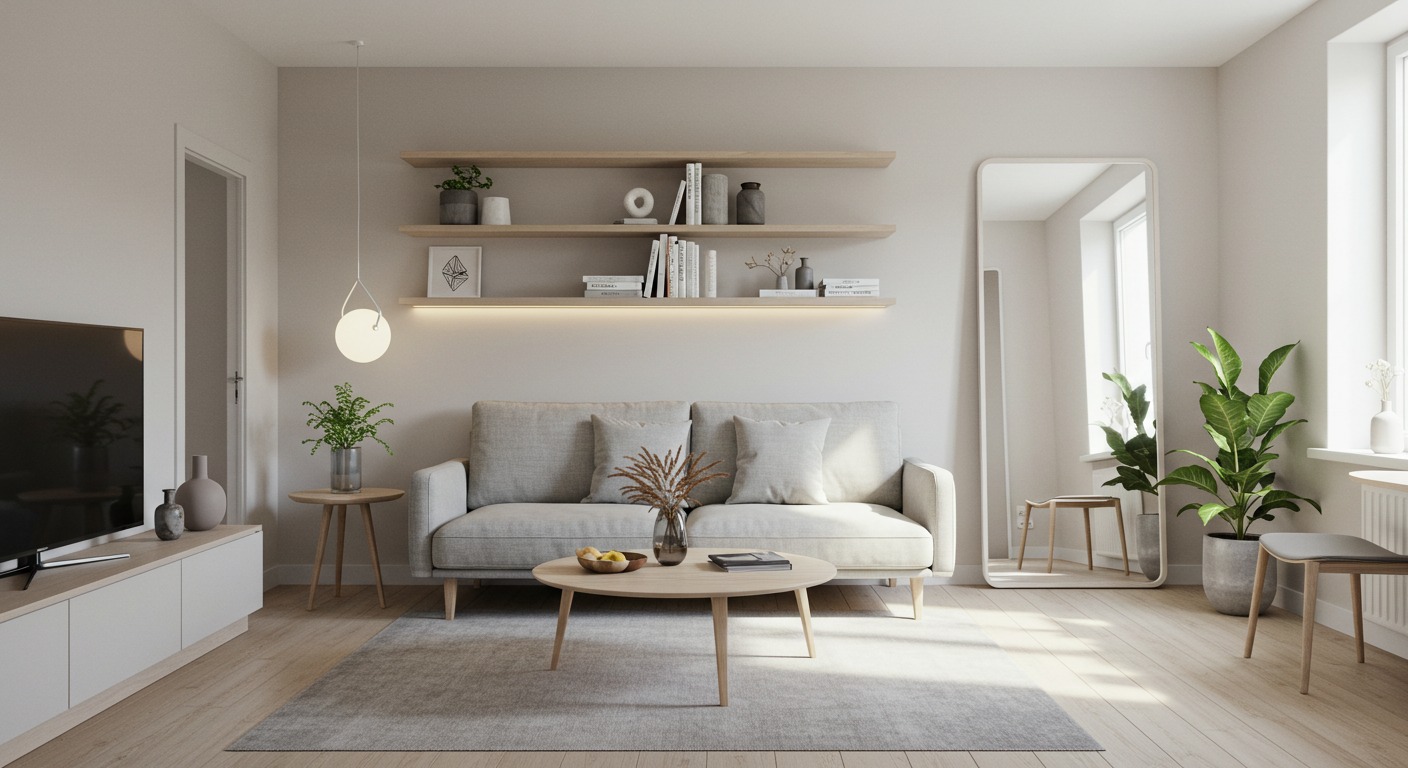
Designing a small living space presents unique challenges, but it also offers a canvas for creative and efficient solutions. The key to transforming a compact area into a functional, comfortable, and aesthetically pleasing environment lies in a well-considered small living room furniture layout. With strategic planning and thoughtful choices, even the most modest living room can feel expansive and inviting. This article will guide you through the process, from initial assessment to expert furniture placement, helping you create a space that perfectly suits your needs and style.
Understanding Your Small Space: The Foundation of a Great Layout
Before selecting a single piece of furniture or attempting to arrange existing items, a thorough understanding of your living room’s dimensions and inherent features is essential. This foundational step ensures that every subsequent decision contributes to an optimized and harmonious design.
Measuring and Mapping Your Living Room
Accurate measurements are the bedrock of effective furniture arrangement. Begin by measuring the length and width of your living room. Crucially, also measure the height of the walls, paying attention to window sills, the bottom of windows, and the top of door frames. Note the location and dimensions of all architectural features: doors (and their swing direction), windows, radiators, electrical outlets, and built-in elements like fireplaces or shelving. Creating a scaled floor plan, either on graph paper or using a digital tool, allows you to visualize different configurations and understand how to arrange furniture in a small living room without physically moving heavy items. This mapping process helps determine optimal furniture placement small living room scenarios, ensuring clear pathways and functional zones.
Identifying Your Living Room’s Primary Function
Every living room serves a purpose, and for smaller spaces, clarity on this function is paramount. Is your living room primarily for watching television, hosting intimate gatherings, reading, or perhaps a combination of these? Defining the main activity will dictate the most effective small living room furniture layout and the essential pieces required. For instance, if TV watching is a priority, your small living room layout ideas with TV will revolve around comfortable viewing angles and screen placement. If it’s a multi-functional space, common in many small apartment living room ideas, you’ll need versatile furniture that can adapt to different activities throughout the day.
Essential Furniture Choices for Small Living Rooms
Selecting the right furniture is critical when space is limited. The goal is to choose pieces that are appropriate in scale, offer multiple functions, and contribute to an airy, uncluttered feel.
The Best Furniture for Small Living Room Spaces
When furnishing a compact area, consider these criteria:
- Scale and Proportion: Avoid oversized, bulky furniture. Opt for pieces that are appropriately scaled to the room’s dimensions. A sofa with slim arms and a shallow depth will feel less imposing than one with thick, rolled arms.
- Visual Weight: Furniture with exposed legs, like a sofa or coffee table on slender metal or wooden legs, appears lighter and allows light to pass underneath, making the room feel more open. Skirted pieces, while sometimes comfortable, can feel heavy and block visual flow.
- Multi-functionality: This is a cornerstone of furnishing small spaces. Look for items that serve more than one purpose. Examples include nesting tables that can be pulled apart for extra surface area, ottomans with hidden storage that double as extra seating or a coffee table, and slim consoles that can function as a desk or serving surface. These are truly the best furniture for small living room environments.
- Transparency: Glass or acrylic coffee tables and side tables can provide functionality without adding visual bulk, allowing the eye to travel through the space.
Prioritizing these features helps in finding space saving furniture small living room solutions that enhance both utility and aesthetics.
Smart Seating Solutions: Sectionals, Sofas, and Chairs
Seating is often the largest furniture investment in a living room. For small spaces, careful consideration is key:
- Compact Sofas: A two-seater sofa or a loveseat is often a better choice than a full-sized three-seater. Look for models with clean lines, minimal ornamentation, and shallow depths.
- Armless Chairs: Armless accent chairs or slipper chairs take up less visual and physical space than their armed counterparts. They can be easily moved and tucked away when not in use.
- Modular Sectionals: While a traditional large sectional might overwhelm a small room, a sectional sofa small living room can be viable if it’s modular. Modular pieces allow you to configure the seating to fit your specific layout, adding or removing sections as needed. A chaise lounge component can offer extended comfort without the bulk of a full L-shape.
- Benches and Ottomans: These provide flexible seating that can be moved around, used as footrests, or even as temporary tables.
The goal is to provide comfortable seating without sacrificing precious floor space, making these some of the best furniture for small living room layouts.
Maximizing Vertical Space and Storage
When horizontal space is limited, look up. Utilizing vertical space is an effective strategy to maximize small living room space and keep clutter at bay.
- Wall-Mounted Shelving: Floating shelves or wall-mounted units provide display and storage without occupying floor space.
- Tall, Slim Bookcases: Instead of wide, short units, opt for tall, narrow bookcases that draw the eye upward and offer significant storage capacity.
- Floating Desks: For multi-functional rooms, a wall-mounted desk can provide a workspace that folds away or simply doesn’t have legs to obstruct the floor.
- Storage Benches and Ottomans: As mentioned, these pieces offer dual functionality, providing both seating and discreet storage for blankets, books, or remotes.
- Media Consoles with Storage: Choose TV consoles that incorporate drawers or cabinets to hide electronics and media, contributing to a tidy appearance.
These space saving furniture small living room solutions are essential for maintaining an organized and spacious feel.
Strategic Furniture Placement: How to Arrange Furniture in a Small Living Room
Once you have the right furniture, the next step is arranging it effectively. Thoughtful placement can dramatically impact the perception and functionality of a small living room.
Defining Focal Points: TV, Fireplace, or Window
Every room benefits from a focal point – a central element that draws the eye and around which furniture can be arranged. This could be a fireplace, a prominent window with a view, or a television. When considering small living room layout ideas with TV, the television often becomes the primary focal point. Position your main seating (sofa) facing the TV, ensuring a comfortable viewing distance. For other focal points, arrange seating to highlight them. For example, if a window offers a great view, position a chair or small sofa to face it. The key is to create a natural conversation area around this central element. Effective furniture placement small living room designs always start with identifying and honoring the focal point.
Creating Zones and Flow in a Compact Space
Even in a small living room, you can create distinct zones for different activities without using physical barriers. This is achieved through strategic furniture arrangement, rugs, and lighting. For example, a small area rug can define a seating zone, while a floor lamp might delineate a reading nook. Ensure there are clear pathways, at least 24-30 inches wide, for easy movement through the room. Avoid pushing all furniture against the walls; pulling pieces slightly away from the perimeter can actually make the room feel larger and more inviting. This careful approach to small living room furniture layout is crucial for maintaining both function and an open feel.
The Power of Wall-Mounted and Floating Furniture
To truly maximize small living room space, consider wall-mounted and floating furniture. A wall-mounted TV frees up floor space that a traditional media console would occupy, creating a cleaner, more streamlined look. Floating shelves, as discussed, provide storage and display without cluttering the floor. Similarly, floating consoles or side tables attached directly to the wall offer surface area without bulky legs. This approach contributes significantly to the perception of openness and is a prime example of effective space saving furniture small living room strategies.
Small Living Room Layout Ideas for Various Configurations
Different room shapes require tailored approaches to furniture arrangement.
Rectangular Small Living Room Layouts
Long, narrow rectangular rooms can feel like hallways if not arranged carefully. Avoid lining all furniture along the longest walls, as this accentuates the narrowness. Instead, consider:
- Creating Zones: Divide the room into two smaller zones, perhaps a main seating area and a small reading nook or workspace, using a console table or a backless bench as a subtle divider.
- Floating Furniture: Pull your sofa away from the wall and place a slim console behind it.
- Perpendicular Placement: Place a sofa or a pair of chairs perpendicular to the longest wall to break up the linear flow.
These small living room layout ideas help to create more intimate and functional areas within a challenging shape, common in many small apartment living room ideas.
Square Small Living Room Layouts
Square rooms offer a more balanced footprint but can sometimes feel boxy. The key is to create a central focal point or use corner arrangements:
- Central Arrangement: Place a sofa and two chairs around a central coffee table, facing each other to encourage conversation.
- Corner Seating: A small sectional or a pair of chairs angled in a corner can make efficient use of space.
- Round Elements: Introduce round coffee tables or rugs to soften the angularity of the room.
These small living room layout ideas leverage the room’s symmetry for a cohesive design.
Open-Concept Small Living Room Layouts
In open-concept spaces, the challenge is to define the living area without building walls. Furniture placement becomes the primary tool:
- Area Rugs: Use a large area rug to anchor the living room seating arrangement, visually separating it from the dining or kitchen area.
- Sofa as a Divider: Place the back of a sofa to face the adjacent area, creating a soft boundary.
- Console Tables: A console table behind a sofa can further define the space and provide additional surface area.
- Consistent Color Palette: Maintain a cohesive color scheme across the open space to ensure visual harmony, even with distinct zones.
These small living room layout ideas are crucial for creating functional and distinct areas within a larger, undefined space, often seen in modern small apartment living room ideas.
Beyond Furniture: Enhancing Your Small Living Room
While furniture layout is paramount, other design elements can significantly contribute to making a small living room feel larger and more inviting.
Lighting Strategies to Expand Space
Effective lighting can dramatically alter the perception of space. To maximize small living room space:
- Layered Lighting: Combine ambient (general room light), task (reading lamps), and accent lighting (spotlights on artwork) to create depth and interest.
- Natural Light: Keep windows unobstructed. Use sheer curtains or blinds that can be fully opened to allow maximum natural light.
- Strategic Mirror Placement: A large mirror placed opposite a window or a light source can reflect light and views, creating the illusion of a larger, brighter room.
- Wall Sconces and Floor Lamps: These free up surface space compared to table lamps, while still providing essential illumination.
Color Palettes and Decor for Small Spaces
The colors and decor you choose play a significant role in how spacious a room feels.
- Light Colors: Pale, neutral colors on walls and large furniture pieces reflect light and make a room feel more open and airy.
- Monochromatic Schemes: Using varying shades of a single color can create a sophisticated, cohesive look that prevents the room from feeling visually cluttered.
- Pops of Color: Introduce bolder colors through accessories like throw pillows, artwork, or a single accent chair to add personality without overwhelming the space.
- Decluttering: A tidy room always feels larger. Regularly declutter and ensure every item has a designated home.
- Thoughtful Decor: Choose a few meaningful pieces of decor rather than many small items. Large-scale art can actually make a wall feel bigger than a gallery of tiny frames. These considerations are vital for successful small apartment living room ideas.
Frequently Asked Questions About Small Living Room Furniture Layout
Addressing common queries helps clarify specific challenges in small living room design.
Can a sectional sofa work in a small living room?
Yes, a sectional sofa small living room is possible, but with caveats. Avoid oversized, bulky sectionals. Opt for modular sectionals that allow you to customize the configuration to fit your space precisely. Look for models with slim arms, shallow depths, and exposed legs to minimize visual weight. A sectional with a chaise component can offer extended comfort without the full footprint of an L-shape. Measure carefully and ensure it doesn’t block traffic flow or overwhelm the room.
What is the best way to arrange furniture around a TV in a small living room?
For small living room layout ideas with TV, consider wall-mounting the television to save floor space. Position your main seating directly facing the TV, ensuring a comfortable viewing distance (typically 1.5 to 2.5 times the screen size). If using a console, choose a slim, multi-functional unit with storage. Arrange secondary seating, like accent chairs, to complement the main sofa, creating a cohesive conversation area that still allows for TV viewing. Ensure clear sightlines and avoid placing furniture that obstructs the screen. This thoughtful furniture placement small living room strategy balances entertainment with comfort.
How do I make my small living room look bigger?
To maximize small living room space, employ several strategies: use multi-functional furniture (e.g., ottomans with storage, nesting tables), utilize vertical space with wall-mounted shelves and tall bookcases, choose light and neutral color palettes for walls and large furniture, incorporate mirrors to reflect light and create depth, and keep the room decluttered. Furniture with exposed legs and glass elements also contributes to an airy feel. Maintain clear pathways to enhance flow.
What kind of furniture should I avoid in a small living room?
To ensure the best furniture for small living room spaces, avoid overly bulky or oversized pieces with thick arms or deep seats, as they can quickly overwhelm the room. Dark, heavy furniture can absorb light and make the space feel smaller. Too many individual small items can create visual clutter, so opt for fewer, larger, well-chosen pieces. Furniture that lacks multi-functionality or storage capabilities can also be inefficient in a compact area.
Conclusion
A small living room doesn’t have to mean sacrificing style or comfort. By understanding your space, making intelligent furniture choices, and implementing strategic small living room furniture layout techniques, you can create a highly functional and aesthetically pleasing environment. Experiment with these expert strategies to transform your compact living area into a space that feels both spacious and uniquely yours.