

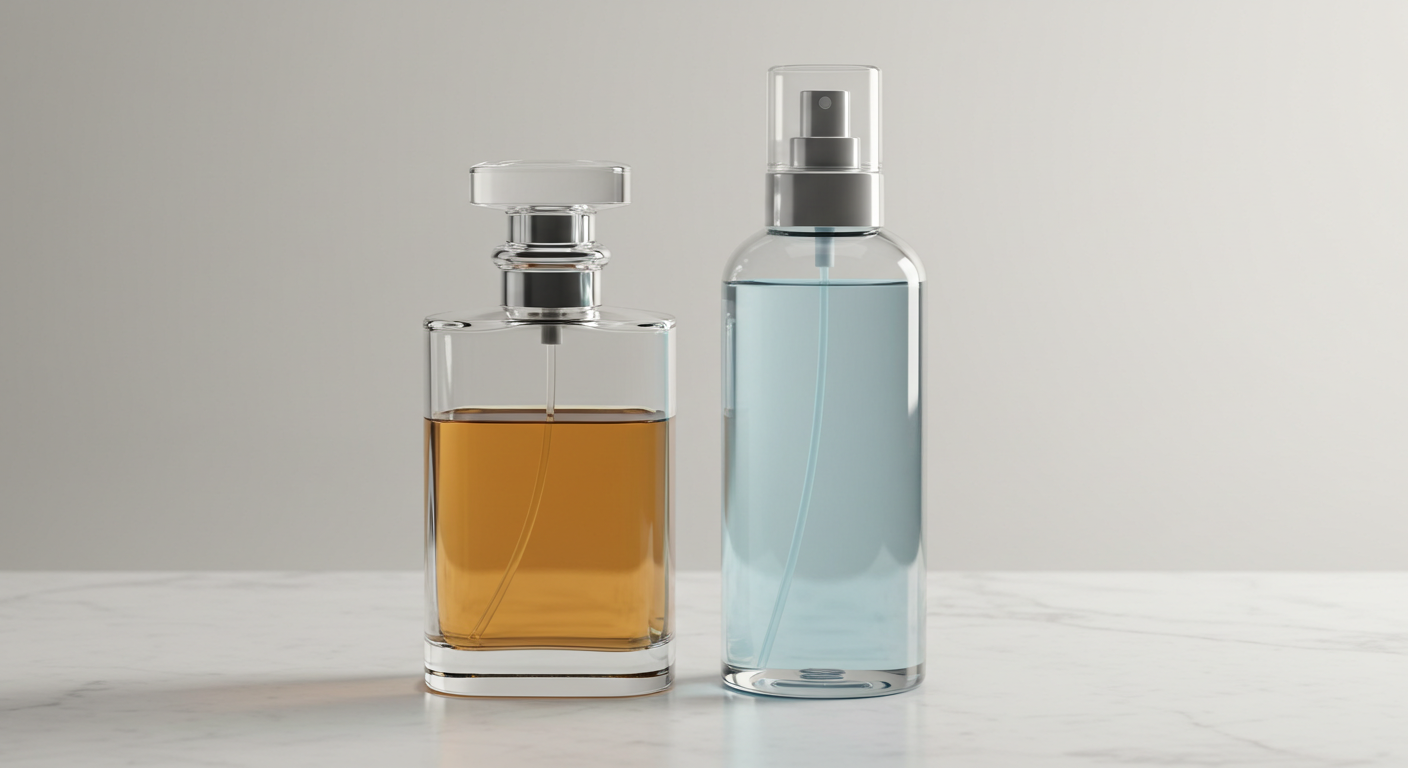
Selecting a personal fragrance involves more than simply choosing a scent you enjoy. Often, individuals find themselves at a crossroads, weighing the merits of a body mist vs perfume. While both products deliver an aromatic experience, their fundamental characteristics, application, and overall effect differ significantly. Understanding these distinctions is crucial for making an informed choice that aligns with your preferences, lifestyle, and desired impact. This guide will clarify the core differences, helping you navigate the world of fragrance with confidence.
Understanding the Fundamentals: Defining Body Mist and Perfume
To appreciate the nuances of fragrance, it’s essential to first establish a clear understanding of what each product entails. The primary body mist vs perfume difference lies in their composition and intended use, which directly influences their performance.
What is Body Mist?
A body mist is a lighter, often water-based fragrance product designed for a refreshing, all-over scent. It typically contains a lower concentration of fragrance oils compared to traditional perfumes, making it less intense and more ephemeral. Body mists are formulated to provide a subtle, invigorating aroma that can be reapplied frequently throughout the day without becoming overpowering. Many body mists also include hydrating ingredients like aloe vera or glycerin, offering a slight moisturizing benefit to the skin.
What is Perfume?
Perfume, in its broadest sense, refers to a more concentrated, alcohol-based fragrance. It is crafted to deliver a lasting, impactful scent with a complex aromatic profile. Perfumes are composed of a higher percentage of fragrance oils dissolved in alcohol, which acts as a carrier, allowing the scent to evaporate slowly and unfold over time. The term ‘perfume’ is often used generically, but within the industry, it specifically refers to ‘Parfum’ or ‘Extrait de Parfum,’ which boasts the highest concentration of aromatic compounds.
The Core Distinction: Concentration, Longevity, and Sillage
The most significant factors differentiating a body mist from a perfume are its aromatic concentration, how long the scent lasts on the skin, and its projection. These elements collectively define the user experience and the appropriate contexts for each product.
Aromatic Concentration: The Heart of the Difference
The percentage of pure fragrance oils (also known as aromatic compounds or essences) in a product is the primary determinant of its classification and performance. This body mist vs perfume concentration is the fundamental body mist vs perfume difference.
| Fragrance Type | Fragrance Oil Concentration | Typical Longevity |
|---|---|---|
| Body Mist | 1-3% | 1-2 hours |
| Eau de Cologne (EDC) | 2-4% | 2-3 hours |
| Eau de Toilette (EDT) | 5-15% | 3-5 hours |
| Eau de Parfum (EDP) | 15-20% | 5-8 hours |
| Parfum (Extrait de Parfum) | 20-40% | 6-10+ hours |
As the table illustrates, body mists sit at the lowest end of the concentration spectrum, while perfumes (Parfum) represent the highest. This directly impacts how intensely and how long a scent will be perceived.
Longevity on Skin: How Long Does Each Last?
The body mist vs perfume longevity is a critical consideration for many users. Due to their low concentration of fragrance oils, body mists typically last for a relatively short duration, often between 1 to 2 hours. Their purpose is to provide a quick burst of freshness rather than an enduring aroma.
Perfumes, with their significantly higher concentration of aromatic compounds, offer much greater longevity. An Eau de Toilette might last 3-5 hours, an Eau de Parfum 5-8 hours, and a true Parfum can linger for 6-10 hours or even longer, depending on the specific formulation and individual skin chemistry. The higher oil content means the scent evaporates more slowly, allowing for a prolonged aromatic experience.
Sillage: The Scent Trail
Sillage refers to the degree to which a fragrance projects or leaves a trail as the wearer moves. It’s the invisible cloud of scent that surrounds you. The body mist vs perfume sillage also varies considerably.
Body mists generally have a soft, intimate sillage. The scent stays close to the skin, noticeable primarily to those in close proximity. This makes them ideal for personal enjoyment or for environments where a subtle fragrance is preferred. Perfumes, especially Eau de Parfum and Parfum, are designed for a broader, more noticeable sillage. They create a more expansive scent aura, making their presence known from a greater distance. This characteristic is often desired for formal events or when making a distinct impression.
Practical Applications: When and How to Use Body Mist vs Perfume
Understanding the technical differences naturally leads to insights into the practical applications of each fragrance type. The ideal body mist vs perfume uses are distinct, catering to different needs and occasions.
Body Mist for Daily Wear and Refreshment
Body mists excel as a choice for body mist vs perfume for daily wear and frequent refreshment. Their light nature makes them perfect for a post-shower spritz, a quick pick-me-up after a workout, or a subtle scent for casual outings. They are excellent for layering with other products, such as matching lotions or shower gels, to build a gentle, cohesive fragrance profile without overwhelming the senses. Because they are less concentrated, body mists can be applied generously over the entire body, including hair and clothing, for an immediate feeling of freshness.
Perfume for Impact and Special Occasions
Perfumes are best reserved for situations where a lasting impression is desired. This includes evenings out, formal events, business meetings, or any occasion where you want your scent to be a significant part of your presence. Their complexity and longevity mean they are applied more strategically, typically to pulse points like the wrists, neck, behind the ears, and inner elbows. These areas generate heat, which helps to diffuse the fragrance effectively throughout the day or evening. A well-chosen perfume can become a signature scent, a memorable part of your personal brand.
Cost and Value: Body Mist vs Perfume Price Point
The financial aspect is often a deciding factor for consumers. Examining the body mist vs perfume price reveals a clear distinction in cost and perceived value.
Price Point Comparison
Generally, body mists are significantly more affordable than perfumes. A large bottle of body mist can often be purchased for a fraction of the cost of even a small bottle of Eau de Toilette or Eau de Parfum. This lower price point is a direct reflection of the lower concentration of expensive fragrance oils and often simpler formulations.
Value Proposition: Longevity vs. Quantity
When considering the body mist vs perfume price, it’s important to look beyond the initial cost and assess the value proposition. While perfumes have a higher upfront cost, their superior concentration and longevity mean that fewer applications are needed, and a single bottle can last a considerable amount of time. A small amount of perfume delivers a potent, enduring scent. Body mists, conversely, offer a larger quantity for frequent, lighter use. Their value lies in their accessibility, refreshing quality, and the ability to apply them liberally without concern for cost per spray. The choice often comes down to whether you prioritize enduring impact or frequent, light refreshment.
Ingredients and Formulation: What’s Inside?
A brief look at the typical ingredients provides further insight into the fundamental body mist vs perfume ingredients and their functional differences.
Common Ingredients in Body Mists
Body mists typically feature a base of water or a very low percentage of alcohol, combined with a small amount of fragrance oils (1-3%). They often include humectants like glycerin, and soothing agents such as aloe vera extract, which contribute to their light, refreshing feel and can offer minor skin hydration. The emphasis is on a gentle, non-drying formula that can be applied generously.
Perfume Composition Basics
Perfumes are characterized by a higher alcohol content (ethanol) as the primary solvent, which effectively carries and helps diffuse the higher concentration of fragrance oils (5-40%). The complexity of perfume formulations often involves a blend of top, middle, and base notes, designed to unfold over time. While some perfumes may contain emollients, their primary function is scent delivery, not skin conditioning. The higher alcohol content also contributes to the rapid evaporation of the initial alcohol ‘blast,’ leaving the fragrance oils to develop.
Choosing Your Scent: A Buying Guide for Body Mist vs Perfume
With a clear understanding of their differences, you can now make a more informed decision about which fragrance type best suits your needs. This guide helps you weigh the body mist vs perfume benefits and practical considerations.
Factors to Consider When Choosing
- Desired Longevity: If you need a scent to last all day or evening, a perfume (EDP or Parfum) is the better choice. For a quick refresh or a scent that fades gracefully, a body mist is ideal.
- Occasion: Body mists are perfect for casual settings, gym, work (if subtle), or just lounging at home. Perfumes are more suited for formal events, dates, or professional environments where a distinct presence is desired.
- Budget: Body mists are generally more budget-friendly for frequent, liberal use. Perfumes are an investment, offering concentrated scent for strategic application.
- Skin Sensitivity: While both can contain alcohol, body mists often have a lower alcohol content and may include skin-friendly ingredients, potentially making them a gentler option for some sensitive skin types. Always patch test.
- Personal Scent Preference: Do you prefer a subtle, airy aroma or a rich, complex, and enduring fragrance? Your preference for intensity and depth will guide your choice.
- Desired Sillage: For a close, personal scent bubble, opt for a body mist. For a noticeable scent trail, choose a perfume.
Considering these factors will help you decide if a body mist vs perfume for daily wear or special occasions is more appropriate.
Layering Scents for an Enhanced Experience
One of the most effective body mist vs perfume uses is to combine them through layering. You can start with a body mist in a complementary scent after showering, then apply a perfume from the same fragrance family (or even the same line) to pulse points. This technique can enhance the overall longevity of your chosen scent and add depth to its profile. For example, a floral body mist can be paired with a more intense floral Eau de Parfum, creating a richer, longer-lasting aroma that feels uniquely yours.
Frequently Asked Questions About Body Mist vs Perfume
Many common questions arise when comparing body mist vs perfume. Here are answers to some of the most frequent inquiries regarding their differences, longevity, and uses.
Can I use body mist and perfume together?
Yes, absolutely. Layering a body mist and perfume can be an excellent strategy to enhance your fragrance experience. Start with the body mist as a base, applying it generously after showering, then follow with your perfume on pulse points. For best results, choose products with complementary or identical scent profiles to avoid clashing aromas. This technique can improve the overall body mist vs perfume longevity of your chosen scent.
Is body mist better for sensitive skin?
Body mists often contain a lower concentration of alcohol and a higher percentage of water, sometimes with added hydrating ingredients like aloe vera. This can make them a gentler option for individuals with sensitive skin compared to perfumes, which typically have a higher alcohol content. However, sensitivity varies greatly, and any fragrance product can cause irritation. Always check the body mist vs perfume ingredients list and perform a patch test if you have concerns about skin reactions. Some body mists also contain fewer potential irritants than complex perfume formulations, offering a potential body mist vs perfume benefits for sensitive individuals.
Why does my body mist not last as long as my perfume?
The primary reason your body mist doesn’t last as long as your perfume is the difference in their fragrance oil body mist vs perfume concentration. Body mists contain only 1-3% fragrance oils, while perfumes (Eau de Parfum or Parfum) can contain 15-40%. The higher the concentration of fragrance oils, the longer the scent will evaporate from your skin, resulting in greater body mist vs perfume longevity. Body mists are designed for a fleeting, refreshing burst, not for enduring wear.
Is body mist just a cheaper version of perfume?
No, a body mist is not simply a cheaper version of perfume; they serve different purposes. While body mists are generally more affordable (reflecting their lower concentration of expensive fragrance oils), they are formulated to provide a light, refreshing, and often hydrating experience for frequent, all-over application. Perfumes are designed for intensity, complexity, and longevity, intended for strategic application to create a lasting impression. The body mist vs perfume difference is functional, not just financial. Each has its own distinct value proposition and ideal use cases.
Making Your Scented Choice: Body Mist or Perfume?
The decision between a body mist vs perfume ultimately hinges on your personal preferences, the occasion, and the desired effect. Body mists offer a light, refreshing, and affordable way to enjoy a subtle aroma, perfect for daily wear, layering, and frequent reapplication. Perfumes provide a more intense, long-lasting, and complex fragrance experience, ideal for making a statement or for special events.
Neither is inherently ‘better’ than the other; they are simply different tools in the vast world of fragrance. Understanding the core body mist vs perfume difference in concentration, longevity, sillage, and price allows you to choose wisely. Consider the body mist vs perfume benefits that align with your lifestyle, and don’t hesitate to experiment with both to discover your perfect aromatic routine. Your unique scent journey awaits.