

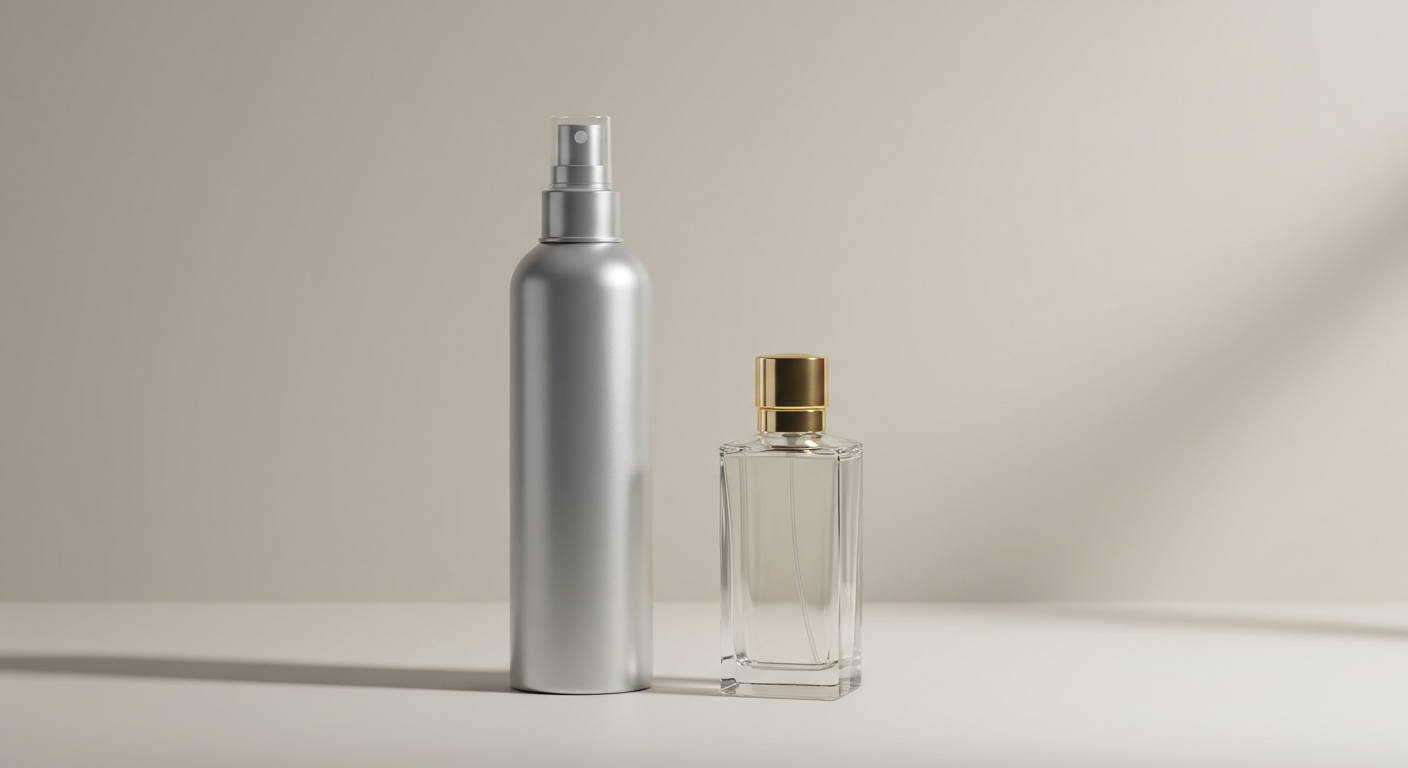
Choosing a personal fragrance involves more than simply picking a scent you enjoy. The world of perfumery offers a spectrum of options, each designed for different purposes, occasions, and longevity expectations. Among the most common choices are body spray vs perfume, and understanding their fundamental differences is key to building an effective fragrance wardrobe. While both aim to impart a pleasant aroma, their composition, intensity, and staying power vary significantly. This guide will explore the core distinctions, helping you discern the right fragrance for every moment.
The Fundamental Difference: Fragrance Concentration
The primary distinction between various fragrance types, including the difference between body spray and perfume, lies in their fragrance concentration. This refers to the percentage of aromatic compounds, or ‘perfume oil,’ dissolved in a solvent, typically alcohol. A higher concentration generally means a stronger, longer-lasting scent with greater sillage (the trail a fragrance leaves) and projection (how far the scent radiates from the wearer).
Understanding fragrance concentration body spray vs perfume is crucial because it directly impacts how a scent performs on your skin. The more concentrated a fragrance, the less you typically need to apply, and the longer it will linger.
Perfume (Eau de Parfum, Eau de Toilette, Eau de Cologne): High Concentration, Lasting Impression
When people refer to ‘perfume,’ they often mean a range of highly concentrated fragrance products. These typically contain a significant percentage of aromatic compounds, leading to a more complex and enduring scent experience. Here’s a breakdown of common perfume types:
- Parfum (Pure Perfume/Extrait de Parfum): This is the most concentrated form, containing 20-40% aromatic compounds. It offers the longest longevity, often lasting 6-8 hours or more, and has a rich, deep scent profile.
- Eau de Parfum (EDP): With 15-20% concentration, EDP is a popular choice for its balance of intensity and wearability. It typically lasts 4-6 hours and provides excellent projection. This is often what people mean when they say ‘perfume.’
- Eau de Toilette (EDT): Containing 5-15% aromatic compounds, EDT is lighter than EDP, making it suitable for daily wear. Its longevity is usually around 2-4 hours. The comparison of eau de toilette vs body spray is particularly relevant, as EDT represents a significant step up in concentration and complexity.
- Eau de Cologne (EDC): Historically a lighter, refreshing scent, EDC typically has 2-4% concentration and lasts for about 1-2 hours. It’s often used for a quick, invigorating burst of fragrance.
The higher concentrations in these products contribute directly to how long does perfume last, allowing the intricate layers of top, middle, and base notes to unfold over time.
Body Spray: Light Concentration, Refreshing Burst
In stark contrast to perfumes, body sprays feature a much lower fragrance concentration, typically ranging from 1-3% aromatic compounds. This composition means they are primarily designed for a quick, refreshing burst of scent rather than a long-lasting, complex aroma. The solvent base in body sprays often includes a higher proportion of alcohol and water, making them lighter and less oily on the skin.
Due to this lower concentration, the scent profile of a body spray is generally simpler and more linear. It doesn’t evolve through distinct top, middle, and base notes in the same way a perfume does. This directly impacts how long does body spray last, which is usually for a short duration, often 1-2 hours at most. The purpose of a body spray is to provide an immediate feeling of freshness, making it ideal for casual use or quick scent boosts throughout the day. The significant difference in fragrance concentration body spray vs perfume is the defining factor in their performance.
Longevity and Scent Profile: How Long Do They Really Last?
The practical application of fragrance concentration manifests most clearly in longevity and scent development. Understanding these aspects helps manage expectations and choose the appropriate product for different situations.
Perfume: Enduring Complexity
Perfumes, especially Eau de Parfum and Parfum, are crafted to offer an enduring and evolving scent experience. Their higher concentration of aromatic oils allows for a more intricate composition, typically structured into a ‘fragrance pyramid’ of top, middle (heart), and base notes. Top notes are the initial burst, fading quickly. Middle notes emerge next, forming the core of the scent. Base notes are the longest-lasting, providing depth and anchoring the fragrance to the skin for hours.
This multi-layered development means that a perfume doesn’t just smell strong; it tells a story as it dries down. For instance, a perfume might open with bright citrus (top), transition to floral accords (middle), and settle into warm woods or musk (base). This complexity and the higher oil content are why how long does perfume last can range from 4 to over 8 hours, depending on the specific formulation, individual skin chemistry, and environmental factors.
Body Spray: Instant Freshness, Shorter Duration
Body sprays, with their lighter concentration, are designed for immediate impact and a more straightforward scent profile. They often feature prominent top notes that provide an instant feeling of freshness, but these notes dissipate quickly. The absence of a significant middle or base note structure means the scent doesn’t evolve much on the skin; what you smell initially is largely what you get until it fades.
This characteristic makes body sprays excellent for a quick refresh, but it also means their longevity is limited. Typically, how long does body spray last is about 1-2 hours, sometimes less, before needing reapplication. They are not intended to provide the sustained, complex aroma of a perfume but rather a fleeting, pleasant burst of fragrance.
Beyond the Basics: Comparing Related Fragrance Types
The fragrance market extends beyond just perfumes and body sprays. Several other categories exist, each with its own concentration and intended use. Understanding these helps clarify the broader landscape of scent options.
Body Spray vs. Cologne: Understanding Men’s Fragrances
The term ‘cologne’ often refers to men’s fragrances, but technically, Eau de Cologne (EDC) is a specific concentration level, as discussed earlier. However, in common parlance, ‘cologne’ is used broadly for men’s scents, which can range from EDC to Eau de Toilette or even Eau de Parfum concentrations. The key distinction in body spray vs cologne (when referring to traditional men’s fragrances like EDT or EDP) lies in concentration and complexity.
Men’s colognes (EDT/EDP) are formulated with higher concentrations of aromatic oils, designed for longer wear and a more sophisticated scent profile, similar to women’s perfumes. They feature distinct top, middle, and base notes. Body sprays for men, conversely, are lighter, less concentrated, and offer a more immediate, short-lived scent, often used for post-gym or casual freshness. While both are applied to the body, their purpose and performance differ significantly.
Body Mist vs. Perfume: The Hydrating Alternative
A body mist is closely related to a body spray but often includes additional ingredients like emollients or humectants, giving it a slightly hydrating quality. Its fragrance concentration is typically similar to or slightly higher than a body spray, usually in the 2-5% range. This makes it lighter than an Eau de Toilette but more substantial than a basic body spray.
The primary appeal of a body mist is its light, refreshing scent combined with a skin-softening effect. It’s designed for all-over application, often after showering, to provide a subtle, pleasant aroma and a touch of moisture. Compared to perfume, a body mist offers significantly less longevity and sillage. The body mist vs perfume choice comes down to whether you want a subtle, hydrating refresh or a long-lasting, complex fragrance statement.
Eau de Toilette vs. Body Spray: A Mid-Range Option
As mentioned, Eau de Toilette (EDT) typically contains 5-15% aromatic compounds, placing it squarely between the high concentration of Eau de Parfum and the low concentration of a body spray. This makes the comparison of eau de toilette vs body spray particularly insightful.
EDTs offer a noticeable scent that lasts for a few hours (2-4 hours), making them suitable for daily wear in professional or casual settings where a strong, overpowering fragrance might be inappropriate. They have more depth and complexity than a body spray, often featuring a discernible progression of notes, but are lighter and less intense than an EDP. A body spray, by contrast, is a much lighter, more ephemeral scent, ideal for quick bursts of freshness rather than sustained fragrance. Choosing between them depends on the desired intensity, longevity, and occasion.
When to Choose Which: Usage Scenarios and Occasions
Selecting between a body spray and a perfume isn’t about one being inherently better than the other; it’s about choosing the right tool for the job. Each has its optimal usage scenarios.
Optimal Times to Use Body Spray
Body sprays excel in situations where a light, transient scent is desired, or for quick refreshes. Consider using a body spray:
- Post-Workout or Gym: A quick spritz after a workout provides an immediate feeling of cleanliness and freshness without being heavy.
- Casual Outings: For running errands, a relaxed brunch, or a day at the park, a body spray offers a pleasant, understated aroma.
- Quick Refresh Throughout the Day: If you need a scent boost but don’t want to reapply a full perfume, a body spray is perfect.
- Layering: Body sprays can be used as a base layer under a matching perfume to enhance its longevity or to add a subtle, complementary scent.
- Warm Weather: Their lighter nature makes them less cloying in hot and humid conditions.
Knowing when to use body spray means embracing its role as an accessible, everyday fragrance option.
Ideal Moments for Perfume Application
Perfumes are designed for impact, longevity, and making a statement. They are best reserved for occasions where you want your fragrance to last and be a more integral part of your presence:
- Formal Events: Weddings, galas, or black-tie affairs call for the sophistication and endurance of a perfume.
- Professional Settings: A well-chosen, subtle perfume can convey confidence and professionalism. Apply sparingly to avoid overwhelming colleagues.
- Evenings Out: Dinners, dates, or social gatherings are perfect opportunities for a perfume to shine, allowing its complex notes to unfold over several hours.
- Special Occasions: Any event where you want to leave a lasting impression or feel particularly polished.
- Cooler Weather: The richer, heavier notes often found in perfumes perform well in cooler temperatures.
Understanding when to use perfume helps maximize its effect and ensures your fragrance choice aligns with the occasion.
Cost and Value: Body Spray vs. Perfume Investment
The financial aspect is often a significant factor in the choice between fragrance types. The cost body spray vs perfume varies widely, reflecting differences in concentration, ingredient quality, branding, and packaging.
The Affordability of Body Sprays
Body sprays are generally positioned as a budget-friendly fragrance option. Their lower concentration of expensive aromatic oils and simpler packaging contribute to a significantly lower price point per bottle. This affordability makes them accessible for daily, liberal application without concern for cost per spray.
They serve as an excellent entry point into fragrances, particularly for younger individuals or those who prefer to frequently change their scent. While the initial purchase price is low, it’s worth noting that due to their short longevity, you might use a body spray more quickly, potentially balancing out the cost over time if frequent reapplication is desired. However, for sheer accessibility and a quick scent fix, body sprays offer undeniable value.
The Investment in Perfumes
Perfumes, especially Eau de Parfum and Parfum, represent a more substantial investment. Their higher price reflects several factors:
- Concentration of Raw Materials: High-quality aromatic compounds, particularly natural extracts, can be very expensive. Perfumes contain a much higher percentage of these.
- Complexity of Formulation: Developing a multi-layered, long-lasting perfume requires skilled perfumers and extensive research and development.
- Branding and Packaging: Perfumes often come in elaborately designed bottles and sophisticated packaging, contributing to the overall cost.
- Longevity and Sillage: While the initial cost is higher, a single application of perfume lasts much longer than a body spray, meaning a bottle can last for many months, even with regular use. This can translate to a lower cost per wear over time.
Therefore, while the upfront cost body spray vs perfume is stark, perfumes are often viewed as an investment in a lasting, sophisticated personal statement, offering value through their endurance and complexity.
Making Your Choice: A Fragrance Buying Guide
Ultimately, the decision between body spray vs perfume, or how to integrate both into your routine, comes down to personal preference and practical considerations. Here’s a guide to help you make informed choices.
Consider Your Lifestyle and Occasion
Think about your typical day and the events you attend. If your lifestyle is active and casual, with frequent need for quick refreshes, body sprays might be your go-to. If you regularly attend formal events, work in a professional environment, or enjoy making a distinct impression, perfumes will serve you better. Remember when to use body spray for light freshness and when to use perfume for lasting elegance.
Personal Scent Preference and Skin Chemistry
The most crucial factor is how a fragrance smells on you. Always test fragrances on your skin, as body chemistry can significantly alter a scent’s development and longevity. What smells wonderful on a test strip or on someone else might react differently with your unique skin oils. Pay attention to how the scent evolves over time. Some people find that certain notes disappear quickly, while others linger for hours.
Budget and Value
Align your fragrance choices with your budget. Body sprays offer an affordable way to enjoy various scents, while perfumes are a more significant investment. Consider the cost body spray vs perfume in terms of cost per wear rather than just the initial price. A more expensive perfume that lasts all day might be more economical than a cheap body spray you reapply five times.
Frequently Asked Questions About Fragrances
What is the main difference between body spray and perfume?
The main difference between body spray and perfume lies in their fragrance concentration. Perfumes (including Eau de Parfum, Eau de Toilette) have a higher concentration of aromatic oils (5-40%), leading to greater longevity and a more complex scent profile. Body sprays have a much lower concentration (1-3%), offering a lighter, shorter-lasting burst of freshness.
Can I use body spray and perfume together?
Yes, you can use body spray and perfume together, a technique known as layering. For best results, use a body spray with a complementary or matching scent to your perfume. Apply the body spray first, covering a larger area, then apply the perfume to pulse points. This can enhance the overall longevity and depth of your chosen fragrance.
Is body spray bad for your skin?
For most people, body sprays are safe for skin when used as directed. However, like any cosmetic product, they contain alcohol and various fragrance compounds that can cause irritation or allergic reactions in sensitive individuals. If you have sensitive skin, opt for alcohol-free formulations or test a small patch of skin first. Avoid applying to broken or irritated skin.
How should I store my body spray and perfume?
To preserve the integrity and longevity of your fragrances, store them in a cool, dark place away from direct sunlight, extreme temperatures, and humidity. A dresser drawer or closet is ideal. Avoid storing them in the bathroom, as temperature and humidity fluctuations can degrade the scent over time. Keep bottles tightly capped to prevent evaporation.
Conclusion: Your Scent, Your Choice
The choice between body spray vs perfume is not about declaring one superior to the other, but rather understanding their distinct roles in personal grooming. Body sprays offer an accessible, refreshing burst of scent for casual moments and quick boosts, while perfumes provide a more concentrated, complex, and enduring aroma for making a lasting impression. By considering factors like fragrance concentration, longevity, usage scenarios, and cost, you can strategically select the right fragrance for any occasion. Embrace the versatility of both options to curate a fragrance wardrobe that perfectly suits your lifestyle and personal style.